
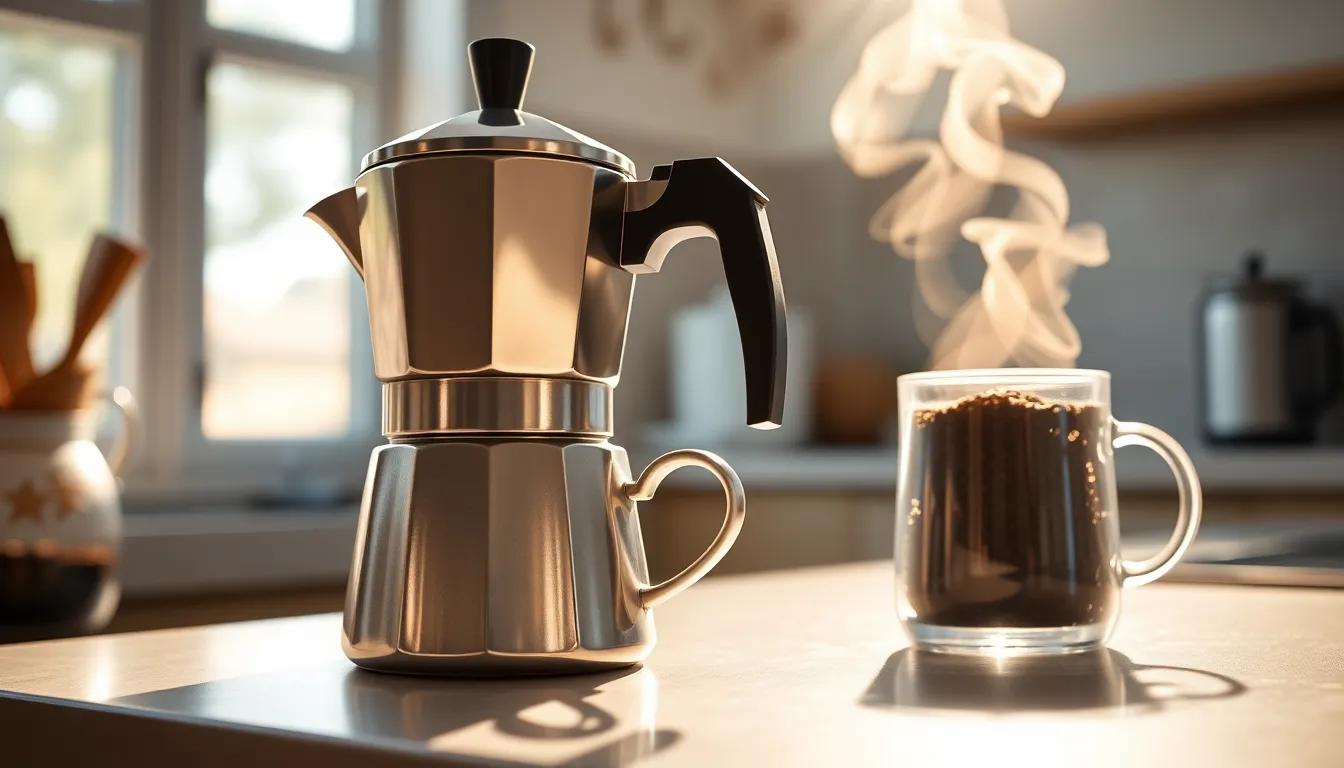
Is your Moka pot coffee turning out bitter and undrinkable? You’re not alone. Many coffee enthusiasts struggle with this common problem that can turn your morning ritual into a disappointing experience.
Brewing with a Moka pot is both an art and a science. When done right, it produces rich, espresso-like coffee with complex flavors. But several factors—from water temperature and grind size to brewing time and heat level—can quickly lead to that overwhelming bitterness that masks all the delightful notes your coffee beans should deliver.
In this guide, we’ll explore why your Moka pot coffee tastes bitter and share practical answers to transform your brew from harsh to heavenly. You’ll discover simple adjustments that make a industry of difference in your coffee’s flavor profile.
Understanding Why Moka Pot Coffee Tastes Bitter
Moka pot coffee develops bitterness primarily due to over-extraction, which occurs when too many compounds are pulled from the coffee grounds. This chemical process extracts more bitter compounds when water stays in contact with coffee grounds for too long or at temperatures that are too high. The unique pressure-brewing system of a Moka pot makes it particularly susceptible to this issue.
Several exact factors contribute to bitter Moka pot coffee:
- Too fine a grind creates excessive resistance, forcing water to stay in contact with grounds longer and extract more bitter compounds
- Excessive heat accelerates extraction and burns the coffee, releasing acrid flavors into your brew
- Using dark roasted beans already contain more bitter compounds than lighter roasts
- Old or stale coffee tends to produce more bitter notes as the beans oxidize
- Poor quality water with high mineral content can emphasize bitterness
“I remember when I first started using my Moka pot,” shares Rikki Manny. “My coffee tasted like I was drinking liquid charcoal. It wasn’t until I realized I was grinding my beans too fine that I finally got a balanced cup.”
The stovetop brewing method amplifies these issues because the metal chamber conducts heat directly to your coffee. Unlike other brewing methods, Moka pots use steam pressure to force water through grounds, which can easily lead to overheating if not monitored carefully.
Understanding these bitter-causing mechanisms helps identify exactly where your brewing process needs adjustment. Many coffee enthusiasts initially struggle with Moka pot bitterness but find that small, precise changes transform their brewing results dramatically.
Recommended Products

Burr Coffee Grinder :This portable burr coffee grinder allows you to grind coffee beans wherever you are, making it perfect for those who enjoy freshly ground coffee on the go. Its intuitive design ensures easy use, so you can achieve a consistent, perfect grind with minimal effort. The grinder's compact and lightweight build means it won't take up much space, fitting easily into your bag. Whether at home, in the office, hiking, or traveling.

【CONSISTENT BURR GRINDING】Designed with a stainless steel conical burr system to deliver uniform coffee grounds while helping preserve the rich flavor, aroma, and natural oils of your coffee beans

Espresso (Fine) 5–10 clicks ; Moka Pot (Medium-Fine))11–15 clicks ; Pour Over (Medium) 16–30 clicks ; French Press (Coarse) 30 clicks and above ;
Common Causes of Bitterness in Moka Pot Brewing
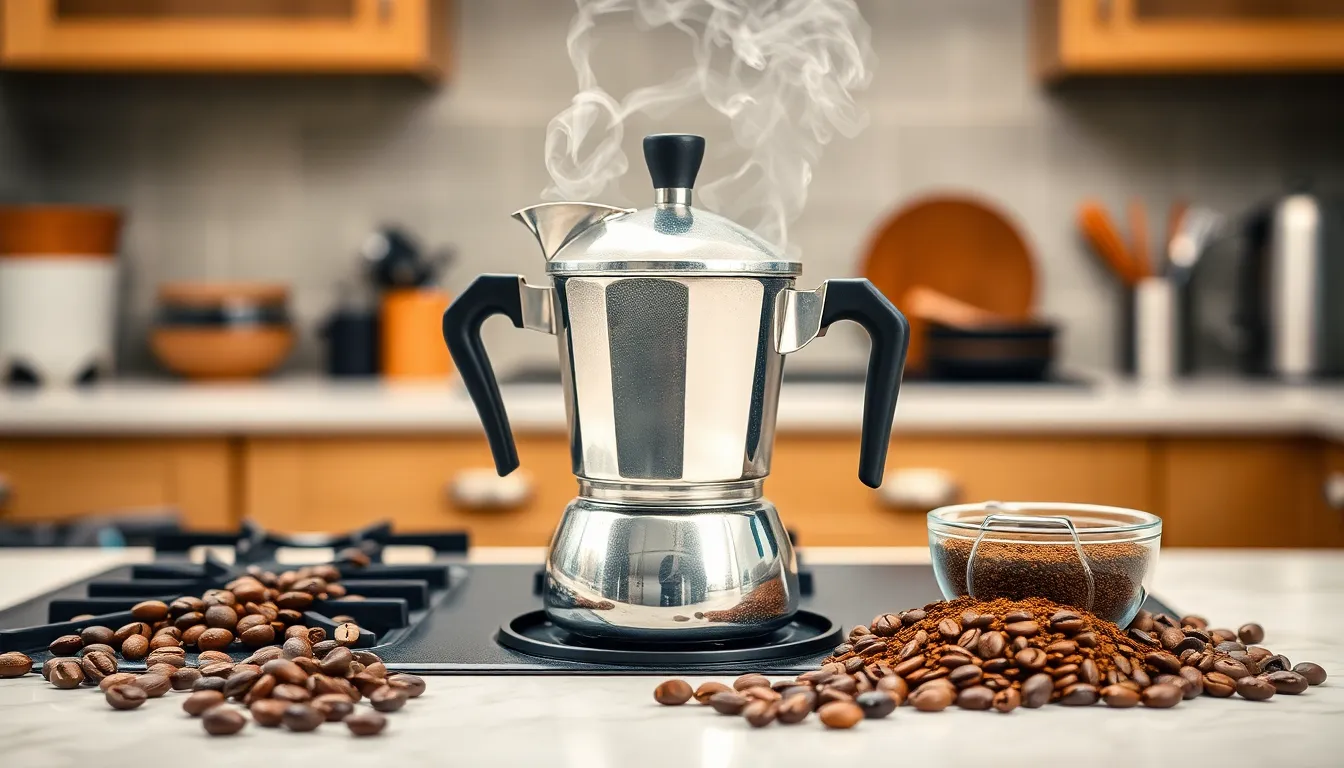
Bitterness in Moka pot coffee typically stems from exact brewing mistakes that affect extraction. Understanding these common culprits helps you make immediate improvements to your brew quality and enjoy a smoother, more balanced cup.
Recommended Products

⭐ [Moka Espresso Coffee] Stovetop espresso maker, Moka pot, & manual coffee percolator machine. Available in 3 cups, 6 cups, 9 cup sizes. Stove top percolator coffee pot to make home espresso like a barista. Its easier to use than electric espresso coffee machines and makes a rich cup of Espresso moka coffee. 3 cup expresso coffee maker stovetop size in Food grade anodized aluminium Espresso Moka Coffee maker.

The original moka coffee pot: Moka Express is the original stovetop espresso maker, it provides the experience of the real Italian way of preparing a tasteful coffee, its unique shape and the inimitable gentleman with moustache date back to 1933, when Alfonso Bialetti invented it.Filter type:Reusable

Canister Coffee
Using Water That’s Too Hot
Water temperature significantly impacts the flavor profile of your Moka pot coffee. Excessive heat causes over-extraction and scalds the coffee grounds, releasing unpleasant bitter compounds into your brew. For optimal results, use medium heat rather than high heat settings on your stove. Pre-heated water in the bottom chamber reduces brewing time and prevents the coffee grounds from “cooking” before brewing begins, minimizing bitter flavors. Coffee extraction should happen gradually with a steady trickle rather than an aggressive boil that forces water through the grounds too quickly.
Over-extraction Problems
Over-extraction occurs when too many compounds are pulled from your coffee grounds, including the bitter ones. Several factors contribute to this common issue:
- Grind size matters enormously in Moka pot brewing. Too fine a grind increases surface area exposure to water, speeding up extraction and creating bitterness. Aim for a medium to medium-coarse grind—slightly finer than drip coffee but not as fine as espresso.
- Brewing duration affects flavor dramatically. The ideal brewing process takes 4-5 minutes, producing coffee at a steady, gentle flow. Rushing or extending this process leads to bitter results.
- Post-brew heat exposure continues extraction even after brewing completes. Leaving coffee in a hot Moka pot after brewing allows bitter compounds to develop—pour your coffee immediately into a carafe or cup.
- Tamping coffee grounds compacts them and increases pressure during brewing, leading to over-extraction. Fill the basket loosely instead of pressing grounds down.
Poor Quality Coffee Beans
Coffee bean quality forms the foundation of your Moka pot experience. Stale, over-roasted, or low-grade beans contain inherent bitter qualities that brewing technique alone can’t overcome. Fresh, specialty-grade beans specifically suited for pressure brewing methods produce notably better results. Dark roasts naturally contain more bitter compounds than medium or light roasts, making them more challenging for Moka pot brewing. Regular cleaning of your Moka pot prevents old coffee oils and residue buildup, which can transfer bitterness to fresh brews. Filtered water also improves flavor by removing impurities that might react with coffee compounds during the brewing process.
How to Reduce Bitterness in Your Moka Pot Coffee
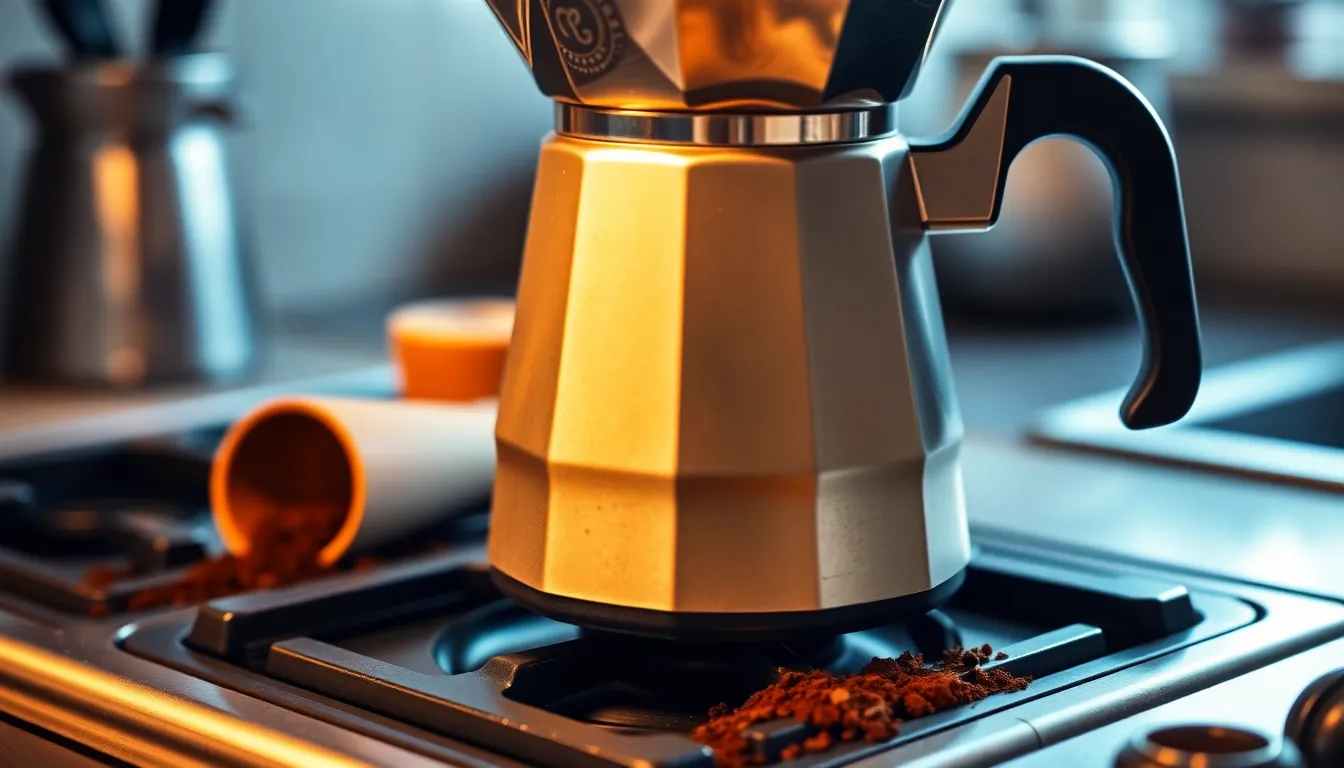
Transform your bitter Moka pot brew into a smooth, flavorful cup by focusing on three critical brewing elements. These adjustments target the most common causes of bitterness and create a balanced coffee experience.
Recommended Products
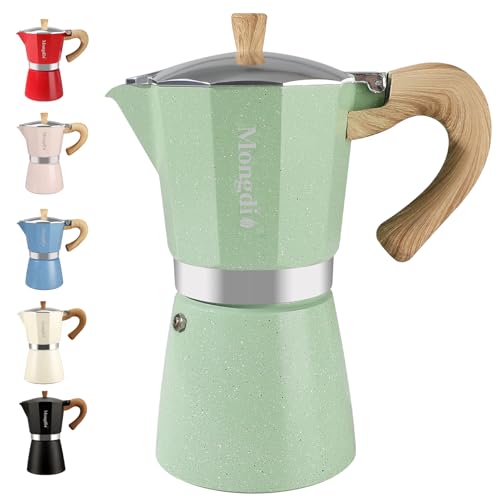
Moka Espresso Coffee: Stovetop espresso maker, Moka pot, & manual coffee percolator machine. Available in 3-cup, 6-cup, 9-cup and 12-cup sizes. The stove top percolator makes home espresso like a barista. It's easier to use than an electric espresso machine and makes a rich cup of espresso mocha.3 cup, 6-cup, 9-cup and 12-cup expresso coffee pot, stove top size, food grade aluminum Espresso Moka coffee pot.

CRAFT COFFEE AT HOME: Produces six demitasse/espresso servings of rich, smooth espresso coffee in minutes. Craft your own espresso, Americano, Cuban coffee, Italian-style coffee, Moka, lattes, cappuccinos and more from the convenience of your home.Filter type:Reusable
Dinner in Half the Time: Cook up to 2x faster* with our Secure 6.3 quart pressure cooker, perfect for all your favorite recipes, family meals, and weekly meal prep. Includes a steam basket to expand your cooking options.
Proper Grind Size Selection
Medium to medium-fine grind significantly reduces bitterness in Moka pot coffee. Pre-packaged ground coffee for Moka pots often comes too finely ground, leading to over-extraction and unwanted bitter flavors. Grinding your own beans to a consistency coarser than espresso but finer than drip coffee creates the optimal particle size for proper extraction. This coarser grind allows water to flow through the coffee bed at the right speed, preventing excessive extraction of bitter compounds that ruin your coffee’s flavor profile.
Water Temperature Control Techniques
Starting with preheated water at 70–75°C (160–170°F) dramatically shortens brewing time and prevents coffee grounds from burning. Cold water forces the pot to remain on heat longer, increasing the risk of over-extraction and bitterness. Using medium heat on your stove creates gentle, consistent pressure without scorching the coffee. Remember to remove your Moka pot from heat immediately when you hear the characteristic sputtering sound or notice the coffee stream turning blond, as this prevents extracting those final bitter compounds that can overwhelm your cup.
Coffee-to-Water Ratio Adjustments
Modifying your coffee-to-water ratio directly impacts extraction and bitterness levels. Using slightly less water than your Moka pot’s maximum capacity reduces brewing time and limits the extraction of bitter solubles. For a 3-cup Moka pot, stick to 16-17g of coffee without overfilling the basket, which can cause uneven extraction. Reducing water volume slightly while maintaining the same amount of coffee increases intensity without introducing bitterness. Fresh, high-quality Arabica beans naturally contain fewer bitter compounds than Robusta varieties, making them an excellent choice for smoother Moka pot coffee.
The Perfect Moka Pot Brewing Method
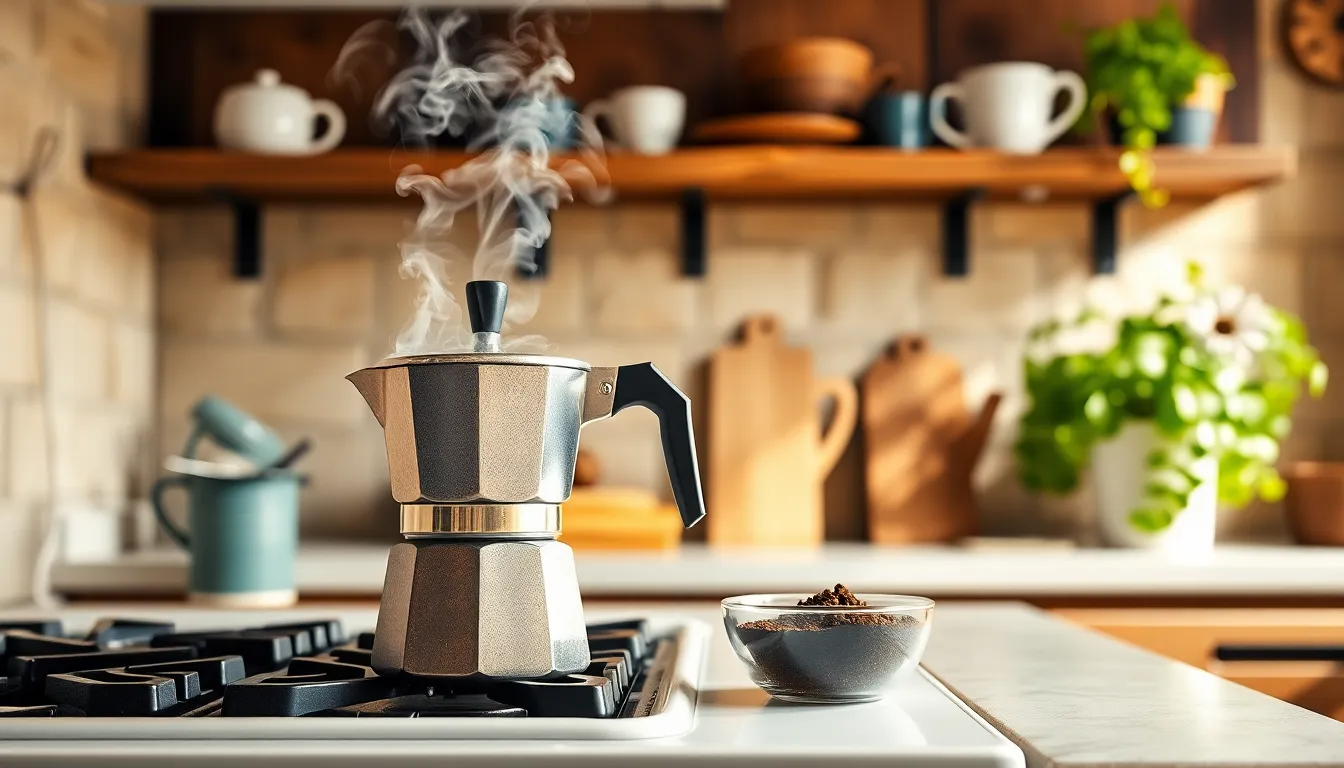
Creating exceptional Moka pot coffee requires attention to exact brewing techniques that prevent bitterness while improving flavor complexity. The key lies in controlling temperature, using the right grind size, and understanding the optimal brewing process.
Recommended Products

COSTIERA GRAN AROMA: Immerse yourself in a moment of pure relaxation and joy, as you savor the essence of the Costiera in every sip, with this 12-ounce coffee bag. Ideal for drip brewers

Since more than 80 years, Bialetti is delivering the perfect coffee to worldwide homes.

Characteristics: Perfetto Moka Vanille flavour is the Bialetti's soft and aromatic blend, it has a medium roasting and vanilla aroma that gives sweetness to your coffee
Step-by-Step Brewing Guide
- Prepare the water chamber – Fill the bottom chamber with preheated water (just off boiling) up to the safety valve level. Using hot water prevents overheating the coffee grounds during the brewing process.
- Grind your coffee properly – Use a fine grind similar to espresso but slightly coarser to avoid clogging. The ideal texture resembles table salt rather than powder.
- Fill the filter basket – Add approximately 22g of coffee for a 264g water capacity pot (a 1:12 ratio). Don’t tamp the grounds firmly—just level them off gently with your finger.
- Add a filter (optional) – Place an Aeropress filter at the bottom of the coffee basket to reduce sediment and improve extraction quality.
- Check for clean edges – Ensure no coffee grounds remain on the rim of the filter basket, as this prevents a proper seal and leads to uneven extraction.
- Assemble tightly – Screw the top and bottom chambers together firmly to create a proper seal for even pressure during brewing.
- Apply gentle heat – Place the Moka pot on low heat to allow pressure to build slowly without scorching the coffee.
- Monitor the extraction – Watch as coffee begins flowing into the upper chamber. The stream should be steady, not forceful.
- Remove from heat at the right moment – Take the pot off the heat source when the coffee flow lightens in color (turns blonde), indicating complete extraction.
- Cool immediately – Run the bottom chamber under cold water or wrap it with a cold towel to stop the extraction process completely.
Timing Your Brew Correctly
The entire brewing process typically takes 4-6 minutes from the moment you place the pot on the heat until completion. Timing varies based on your stove’s heat output, water temperature, and coffee grind size.
Coffee extraction occurs in stages, with the most flavorful compounds extracted first and bitter compounds last. Removing the pot from heat immediately when the coffee stream changes from dark brown to a lighter blonde color prevents those bitter compounds from tainting your brew.
Low, consistent heat throughout the brewing process creates optimal pressure for extraction. Too much heat causes rapid pressure build-up, forcing water through the grounds too quickly and resulting in uneven extraction.
Temperature control directly impacts flavor—brewing too hot extracts bitter compounds while brewing too cool results in sour, underdeveloped flavors. Using preheated water shortens total brewing time, reducing the risk of overheating the coffee grounds.
Listen for a characteristic “gurgling” sound that signals the final stage of brewing. This sound indicates that air is beginning to mix with the water, signaling the perfect moment to remove your Moka pot from heat.
Choosing the Right Coffee for Your Moka Pot
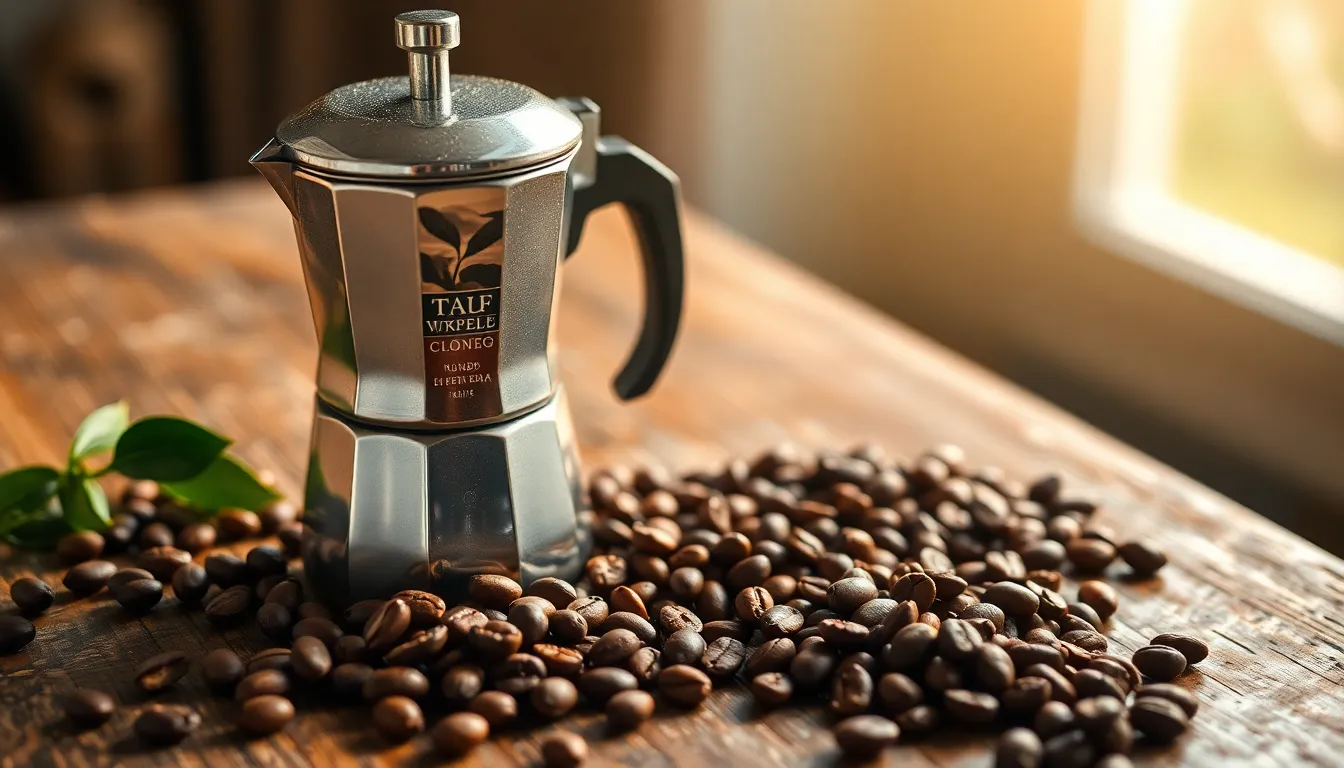
Selecting the proper coffee beans dramatically impacts the flavor profile and bitterness level of your moka pot brew. The right combination of bean origin, roast level, and grind size creates a balanced cup with rich flavor and minimal unwanted bitterness.
Recommended Products

Powerful Water Distiller Cleaner & Descaler: Effectively removes limescale, mineral deposits, & hard water buildup, restoring your distiller's performance for pure, fresh-tasting water every time with Renuv's natural deep cleaning descaling powder
Works with all Jura Automatic Coffee Machines

Universal Compatibility with Most Coffee Machines Designed to work with a wide range of coffee makers including espresso machines, drip coffee makers and single-serve brewers. Suitable for daily descaling and maintenance.
Bean Origins That Work Best
Papua New Guinea beans, particularly the Colipse Morobe Medium Roast, offer exceptional results in moka pot brewing. This single-origin Arabica grown at high altitudes delivers smooth, vibrant flavors with bright citrus and caramel notes while maintaining low bitterness and excellent complexity.
Sumatra Mandheling beans produce earthy, spicy flavors with minimal bitterness. Their low acidity and heavy body create a smooth, syrupy cup characterized by deep chocolate undertones that stand up beautifully to moka pot extraction.
Guatemalan Huehuetenango, grown at high elevations, brings bright citrus and floral notes to your cup. These beans feature a subtle sweetness and crisp acidity that transforms into a lively, aromatic brew with significantly less bitterness than other origins.
Colombian Supremo provides a rich, balanced option for moka pot enthusiasts seeking less bitter coffee. Its classic flavor profile works exceptionally well with the moka pot’s pressure brewing system, creating a satisfying cup that highlights the beans’ natural characteristics.
Roast Levels and Bitterness
Medium roasts perform optimally in moka pots, resisting the high heat and pressure of the extraction process. Their rich, full-bodied flavors develop beautifully without releasing excessive bitter compounds, making them the preferred choice for balanced moka pot brewing.
Dark roasts can produce excellent results but typically create very strong, sometimes bitter coffee. The intense flavors often benefit from balancing with milk or cream to temper any excessive bitterness that develops during the high-pressure extraction.
Coffee blends containing 20-50% robusta beans add extra body and create a velvety crema in your moka pot brew. These blends must be carefully balanced, as robusta naturally contains more caffeine and bitter compounds than arabica varieties.
Medium-fine grind size prevents over-extraction while ensuring proper flavor development. This consistency—finer than drip coffee but coarser than espresso—allows water to flow through the coffee bed at the ideal rate, extracting desirable flavors without pulling out the bitter compounds that ruin your brew.
Maintaining Your Moka Pot for Better Taste
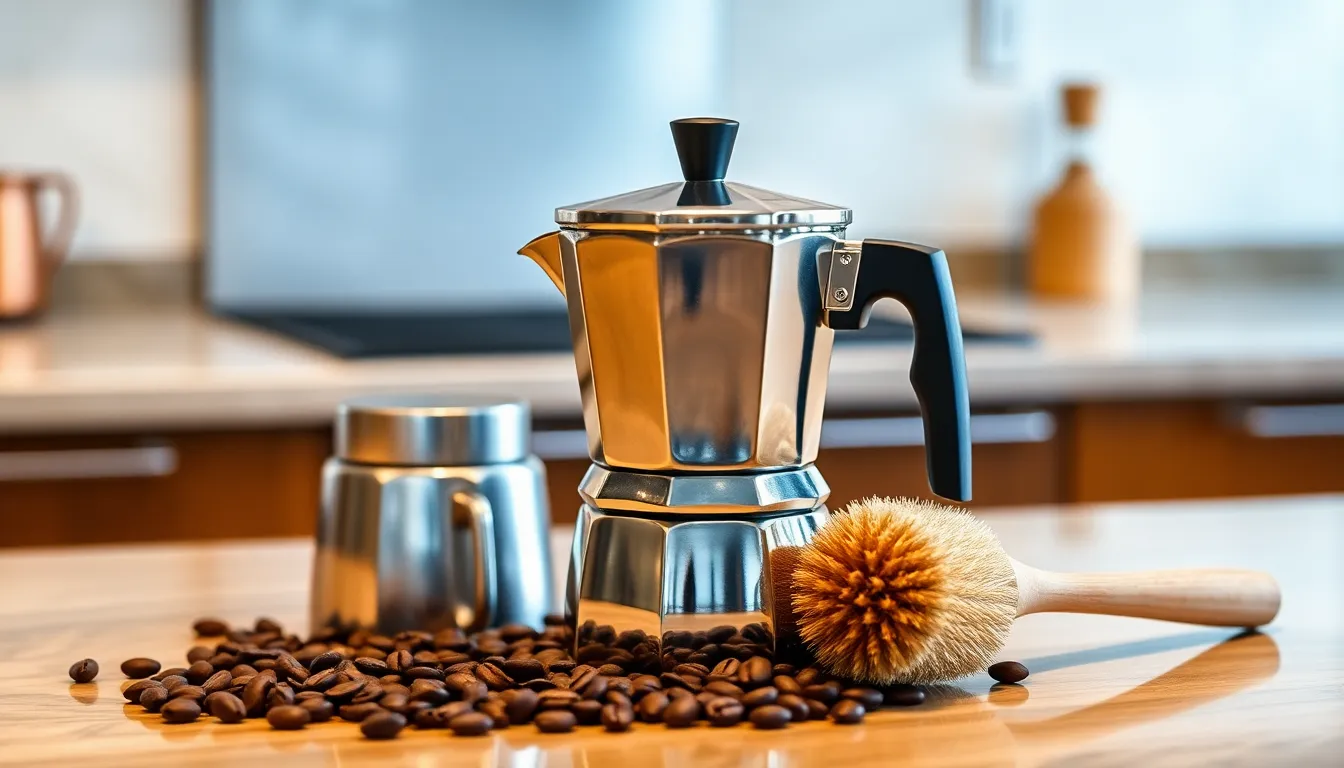
Bitterness in moka pot coffee often stems from accumulated coffee oils and micro-grounds inside the pot that degrade over time. Regular cleaning and proper maintenance eliminate these unwanted flavors, ensuring your morning brew remains delicious cup after cup.
Recommended Products

Non-Detachable, Stable Construction: Our manual coffee bean grinder features a non-detachable design. The alignment and spacing between the grinding discs are factory-set and locked, minimizing the risk of minor misalignment from disassembly and reassembly. You won't need to learn how to disassemble the grinding discs (which can be challenging for beginners), making operation simpler and more straightforward

COMPACT & TRAVEL-READY: At 6.57 in and 1.24 lb, it stores easily in small spaces, office desks, backpacks, and carry-ons for coffee on the go

Durable and High-Quality: Crafted from Stainless steel bottle,with With Ceramics Burr, this manual grinder is built to last. Enjoy fresh coffee every day with this reliable tool.
Daily Cleaning and Maintenance
Daily maintenance prevents flavor contamination in your moka pot. After each use, allow your pot to cool completely before disassembling it by removing the funnel and filter basket. Empty the spent coffee grounds and rinse all components thoroughly under hot running water. Thorough drying is essential, particularly for aluminum pots, as moisture can cause corrosion and contribute to metallic tastes. Skip the soap for routine cleaning as it can damage the protective coating on aluminum pots and negatively impact flavor profiles.
Deep Cleaning (Monthly or Biannual)
Deep cleaning removes stubborn residue that daily rinsing can’t tackle. Create a solution of equal parts water and white vinegar for an effective cleaning agent. Soak the bottom chamber and filter parts for 15-20 minutes to dissolve mineral deposits, but keep the rubber gasket separate as vinegar can damage it. Gently scrub all soaked parts with a soft brush or old toothbrush to remove built-up residue. Rinse everything thoroughly under running water to eliminate any vinegar traces. Finish by reassembling your pot and running a full brew cycle with just water to flush out residual flavors. This deeper cleaning process prevents bitterness caused by old coffee oils and mineral buildup, especially in hard water areas.
Initial Cleaning Before First Use
First-time cleaning removes manufacturing residues that can affect your coffee’s taste. Wash all parts with mild soap and warm water before your inaugural brew. Rinse thoroughly to remove all soap traces that could impart unwanted flavors. Run one or two complete brewing cycles with only water to eliminate any metallic tastes. Dry all components completely before brewing your first pot of coffee to ensure optimal flavor from the start.
Conclusion
Mastering your Moka pot brewing technique transforms bitter disappointments into delightful coffee experiences. By adjusting your grind size medium-fine maintaining proper water temperature and using the right bean-to-water ratio you’ll dramatically improve your results.
Remember that quality beans matter too – opt for medium roasts from regions like Papua New Guinea or Colombia for naturally smoother flavors. Combine these choices with proper maintenance of your pot to prevent residual bitterness from affecting future brews.
With these adjustments you’ll enjoy the rich complex flavors your Moka pot was designed to deliver. The perfect balance is achievable – and your mornings will be better for it. Your journey to exceptional stovetop coffee is just beginning.
Frequently Asked Questions
Recommended Products

Moka Espresso Coffee: Stovetop espresso maker, Moka pot, & manual coffee percolator machine. Available in 3-cup, 6-cup, 9-cup and 12-cup sizes. The stove top percolator makes home espresso like a barista. It's easier to use than an electric espresso machine and makes a rich cup of espresso mocha.3 cup, 6-cup, 9-cup and 12-cup expresso coffee pot, stove top size, food grade aluminum Espresso Moka coffee pot.
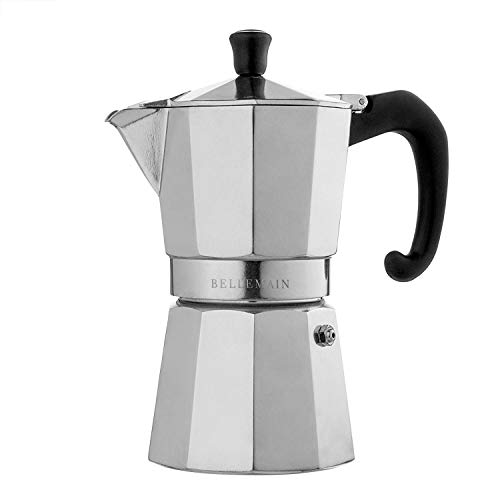
BELLEMAIN: THE ARTISANAL, MADE TOUGH: Gift yourself a richer, more intoxicatingly delicious mocha espresso every day, with Bellemain’s flagship espresso maker. Engineered to heat up quicker and more evenly, your delectable pick-me-up will be warming your hands faster than ever.

Traditional Moka Brewing Experience: Enjoy rich, full-bodied espresso made with traditional Italian stovetop pressure. This aluminum espresso pot delivers bold flavor without capsules or electric machines
Why is my Moka pot coffee bitter?
Your Moka pot coffee may be bitter due to over-extraction, which happens when too many compounds are pulled from the coffee grounds. Common causes include using too fine a grind, excessive heat, dark roasted beans, stale coffee, or poor water quality. The Moka pot’s pressure-brewing system and metal chamber make it particularly susceptible to overheating, which intensifies bitterness.
What grind size should I use for a Moka pot?
Use a medium to medium-fine grind for your Moka pot, slightly coarser than espresso grind. This allows proper water flow while preventing over-extraction that leads to bitterness. Too fine a grind creates excessive resistance, extending brewing time and increasing bitterness. Too coarse a grind results in under-extraction and weak coffee.
Should I preheat the water for my Moka pot?
Yes, preheating water to 70–75°C (160–170°F) is recommended. This reduces the time the coffee is exposed to heat, minimizing bitter compounds from forming. Using preheated water also gives you more control over the brewing process and helps prevent the coffee from “cooking” on the bottom chamber, which can create unwanted bitterness.
How long should the brewing process take?
The ideal brewing time for a Moka pot is 4-6 minutes. Longer brewing times increase extraction and bitterness. If your coffee is brewing too quickly (under 3 minutes), your grind may be too coarse or heat too high. If brewing takes longer than 6 minutes, your grind may be too fine or heat too low.
What type of coffee beans work best for Moka pots?
Medium roast beans from origins like Papua New Guinea, Sumatra Mandheling, Guatemalan Huehuetenango, and Colombian Supremo work exceptionally well in Moka pots. These beans offer rich flavors with minimal bitterness. Avoid dark roasts as they contain more bitter compounds that are easily extracted under pressure and heat. Fresh beans (1-3 weeks after roasting) provide optimal flavor.
How should I clean my Moka pot to prevent bitter coffee?
Rinse your Moka pot with hot water after each use, avoiding soap which can leave flavor-altering residues. Perform monthly deep cleaning with a vinegar solution to remove stubborn coffee oils and mineral buildup. Always dry thoroughly to prevent corrosion. Never put aluminum Moka pots in the dishwasher. Regular maintenance prevents accumulated residue from contributing to bitterness.
Should I fill the Moka pot filter basket completely with coffee?
Fill the filter basket completely with coffee grounds but don’t tamp or compress them. Simply level the grounds with your finger. Overfilling or tamping creates too much resistance, leading to over-extraction and bitterness. Underfilling causes channeling, where water finds the path of least resistance, resulting in uneven extraction.
When should I remove the Moka pot from heat?
Remove the Moka pot from heat when the coffee stream lightens in color (turns blonde) or when you hear a gurgling sound. This indicates the extraction is complete. Leaving it on the heat longer forces steam through already extracted grounds, adding bitter compounds to your brew. Some brewers recommend cooling the base under cold water to stop extraction immediately.
About The Author
