
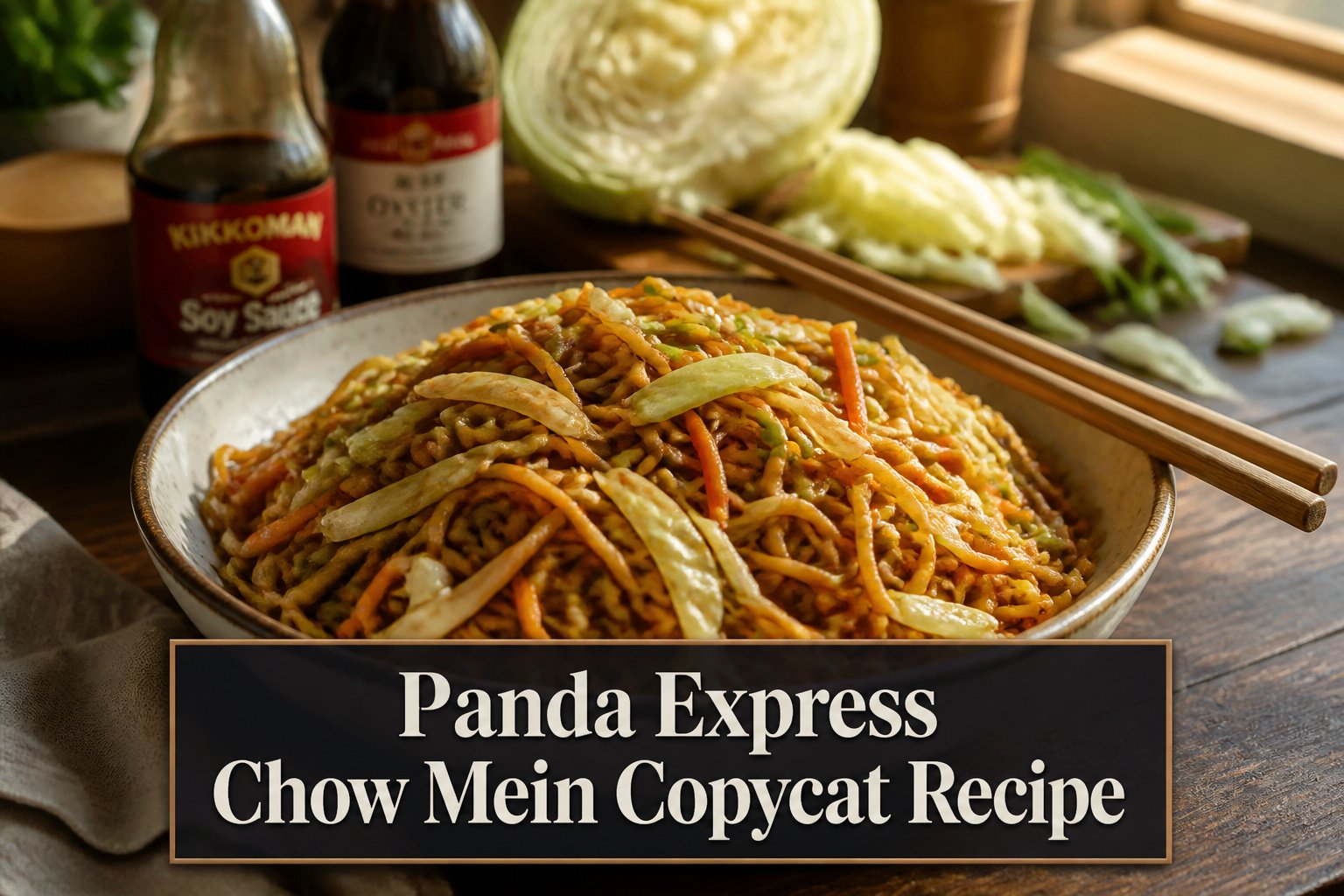
This panda express chow mein copycat recipe lands on the table in 20 to 30 minutes with nothing more than basic grocery-store produce and pantry staples.
The thing that makes it work is speed without a special trip: yakisoba noodles carry the same soft wheat texture as the restaurant version, and spaghetti will do if the pantry is bare.
The only trap is crowding the pan, which steams the cabbage into the wrong kind of soft.
What This Is and When I Make It

Panda Express chow mein is soft wheat noodles stir-fried with cabbage, celery, onion, and a savory soy-based sauce. It is not the crispy version you find in some Cantonese takeout.
At my house, this copycat recipe lands on the table Wednesday nights, sometimes Tuesday, when the drive to the mall food court feels like its own errand and dinner needs to happen in 20 to 30 minutes without a special shopping trip.
The real thing is simpler than it looks, which is why the copycat works. Panda Express does not hide the vegetables under protein or bury the noodles in sauce.
The prep is basic chopping, the cooking is high-heat stirring, and the ingredients are the same ones already in most grocery-store produce sections and pantry shelves.
That simplicity is what makes it possible to start at 5:45 and eat by 6:15, which is the situation where this recipe earns its spot on the rotation.
Recommended Products

GREAT TASTING SINCE 1970s: More than 50 years of heritage to deliver delicious foods and sauces.

Brothless Flavor Fix: Bold Japanese home style yakisoba noodles coated in a saucy blend of rich chicken flavor with mild sweetness and umami. Our signature stir fry noodles bring slurp-worthy classic Yay-kisoba to your microwave in minutes.

Asian style chow mein stir-fry noodles
Ingredients

Yakisoba noodles are what I actually reach for first, and spaghetti works in a pinch if that’s what’s in the pantry.
The rest of this list is flexible enough that you can shop your regular grocery store and skip any Asian market run.
- Noodles: 8–16 oz chow mein or yakisoba noodles
- Cabbage: 2 cups shredded
- Celery: 1 cup sliced
- Onion: 1 cup chopped
- Vegetable oil: for cooking
Sauce:
- 1/2 cup soy sauce
- 2 tablespoons oyster sauce
- 1 tablespoon brown sugar
- Minced garlic and ginger to taste
Optional add-ins: bean sprouts, carrots, bell peppers, or cooked chicken, shrimp, or tofu if you want to make it a fuller meal.
Recommended Products

Add a touch of Asian-inspired flavor to your favorite recipes with La Choy Chow Mein Noodles

Add a touch of Asian-inspired flavor to your favorite recipes with La Choy Chow Mein Noodles

Contains one 42-oz. can of La Choy Chicken Chow Mein White Meat Chicken & Sauce With Asian-style Vegetables
How to Make It

- Whisk the chicken stock, regular soy sauce, dark soy sauce, oyster sauce, and cornstarch in a bowl until the starch dissolves completely.
- Boil the noodles per package directions, drain, and rinse under cold water to stop the cooking.
- Heat vegetable oil in a wok or heavy skillet over high heat until it shimmers. Add onions, celery, and cabbage, then stir-fry for 3–4 minutes until tender-crisp. Crowding the pan traps steam and ruins the texture, so work in batches if your skillet is smaller than 12 inches.
- Add the drained noodles and pour the sauce over the top. Toss constantly with tongs for 1–2 minutes until the noodles sear slightly and the sauce thickens to coat everything.
- Turn off the heat, drizzle sesame oil over the top, give one final toss, and serve. Green onions or sesame seeds work if you want them.
Recommended Products

Lee Kum Kee Vegan Oyster Flavored Sauce aka Vegetarian Stir-fry Sauce.

Pure Formula with Double Effect to Enhance Freshness: The golden combination of “zero gluten allergen + plant-based fermentation”, the natural mushroom freshness of vegetarian oyster sauce and the depth of mellow aroma of gluten-free soy sauce are superimposed to satisfy the needs of pure diet and at the same time, realize the layered sense of upgraded taste.

No hydrogenated fats or high fructose corn syrup allowed in any food
Noodle Types That Work

The noodles Panda Express uses are soft wheat noodles similar to yakisoba, which makes yakisoba the closest match in both texture and cooking behavior.
Fresh yakisoba cooks in 2–3 minutes, while dried chow mein noodles need more time and benefit from undercooking by about 2 minutes so they finish in the pan without going mushy.
Rinsing either type after boiling strips off excess starch and keeps them from clumping together in the wok.
| Noodle | What it is | Where to find it | Cooking note |
|---|---|---|---|
| Yakisoba | Soft wheat noodle; closest to Panda Express style | Asian aisle, often refrigerated | 2–3 min; toss with oil after rinsing |
| Chow mein | Dried or fresh egg noodle | Dedicated Asian ingredients section | Dried takes longer; undercook by 2 min |
| Ramen | Wheat noodle with alkaline treatment | Every grocery store | Texture is springier; skip the seasoning packet |
| Spaghetti | Pantry staple | Anywhere | Emergency backup; adjust timing |
Ramen works in a pinch but carries a noticeably different chew from the alkaline processing.
Spaghetti is the honest last resort: it will not taste the same, and the texture runs softer, yet it carries the sauce and vegetables fine when nothing else is available.
Recommended Products

[Wok Set & Cookwares] - KAQINU 14 piece wok pan set includes wok pan with lid, wok spatula, wok brush, wok ring, drain oil rack, chopstick, slotted spatula, spaghetti spoon, slotted spoon, rice spoon, soup ladle, carving fork and apron. Owning this all-in-one Chinese wok pan, make cooking easier, faster and more efficient, then your cooking life will be more handy.


PRE SEASONED & NONSTICK: Tired of rusty woks? SUMEIGUAN carbon steel wok is pre-cured and engineered with advanced Nitriding technology. This treatment fundamentally transforms the steel, creating a dense, molecular-level shield against rust. The result is a wok with exceptional resistance to rust, scratches, and corrosion—ready to cook right out of the box. Built to last up to 3 times longer than ordinary wok pans, this is the only wok you’ll need in your kitchen.
Sauce Variations

Soy sauce handles the salt and backbone umami in this sauce, while oyster sauce adds depth and a slight sweetness that keeps the profile from reading flat.
Brown sugar balances the salt, and the garlic and ginger do the aromatic work that makes the kitchen smell like the line at the restaurant.
Two soy sauces sit on most grocery shelves, and the choice matters for color as much as taste. Regular soy sauce gives you the salt and savor without much body.
Dark soy sauce carries more molasses weight and paints the noodles that deeper amber you see in the Panda Express tray.
Recipes split on ratio: one version uses half a cup of regular or a third cup of dark, while another blends two tablespoons regular with one tablespoon dark for a more moderate hand.
The standard sauce builds from those basics, but doubling the oyster sauce pulls the flavor closer to what I taste at the restaurant.
That extra spoonful pushes the sweetness and umami forward without throwing the salt out of balance, though it does darken the finish slightly.
If you only keep one soy sauce in the door, regular works; you will just trade some depth for convenience.
Recommended Products

Toasted sesame oil in 8.4 fl oz bottle
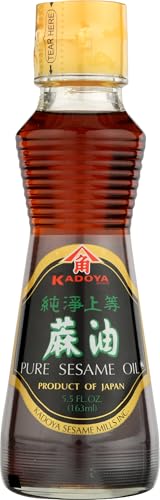
Kadoya Pure Sesame Oil.

Kikkoman Sesame Oil is made from 100% real toasted sesame seeds that adds a layer of delicate sweet notes & robust nutty intensity to dressings, marinades, dips, breads, pastries, and more.
Vegetable Substitutions and Add-Ins

The base trio of cabbage, celery, and onion is what makes this taste like Panda Express. Stray too far from that and you’re making a different noodle dish entirely.
Customize without losing the point of the copycat:
- Shredded carrots or bell peppers add color and a little sweetness; slice them thin so they finish in the same minute as the cabbage.
- Bean sprouts go in during the last minute of cooking for crunch that survives the heat.
- Chicken, shrimp, beef, or tofu turn this side into a full meal. Cook them separately, then toss them in at the end. Leftover rotisserie chicken works well here, or slice raw chicken thin and stir-fry it first, remove it, then proceed with the vegetables.
- Mushrooms, snap peas, or broccoli are common additions, though they push the flavor profile away from the original.
- Keep the cabbage no matter what. It bulks the dish, keeps the noodle-to-vegetable ratio right, and carries that mild sweetness you recognize from the restaurant tray.
Recommended Products

STEAMED NOT FRIED: Every batch of rice noodles is steam cooked and slowly dried
![[SAPPORO ICHIBAN] Yakisoba, No.1 Tasting Instant Japanese Fried Noodles, Delicious Chow Mein (3.6 Oz. x 24 packs) | 24 Pack Case](https://m.media-amazon.com/images/I/51tX1Gh9FYL._SL500_.jpg)
JAPAN’S NO.1 BEST SELLING POUCH RAMEN - In 1966, Sapporo Ichiban was founded to bring flavorsome, traditionally inspired ramen to all. Since then, Sapporo Ichiban ramen has become the most popular instant pouch ramen in Japan. Now discover our delicious and authentic tasting instant Japanese yakisoba.

Made using 8 fruits and vegetables for a complex, savory flavor that's unmatched
What I Do to Keep Texture Right

A 12-inch skillet works fine if no wok sits in your cabinet, but the pan has to be hot enough that vegetables sizzle the instant they hit the surface.
That sizzle is the sound of water escaping fast, which keeps cabbage crisp instead of letting it slump into the mush that ruins a chow mein copycat.
Prep everything before the pan gets hot. The actual cooking runs under ten minutes, so there is no window for chopping an onion while garlic scorches.
Noodles go in just to heat through; any longer and they turn gummy and start breaking apart. Vegetables should stay crisp-tender, with some bite left, because that texture is what separates this from a soggy takeout container.
Recommended Products


Thick restaurant style Chow Mein noodles in Teriyaki Beef Flavor

MICROWAVEABLE ASIAN CUISINE: From Nissin, the creators of iconic Top Ramen and Cup Noodles, dive into a takeout-inspired Korean BBQ Stir Fry experience in mere minutes
Yield and Storage

A batch of this panda express chow mein copycat recipe feeds 4 to 6 people as a side, depending on what else is on the table. Leftovers go into an airtight container and keep in the refrigerator for 3 to 4 days.
The microwave is not the move here: it steams the noodles soft and kills the slight chew that makes the dish work.
A hot skillet with a splash of water or extra soy sauce revives the texture in about two minutes. Freezing is not worth it.
The cabbage breaks down, turns watery, and never comes back right. Cook what you will eat.
Recommended Products

VERSATILE COOKING ESSENTIAL: Elevate your dishes with Lee Kum Kee Oyster Sauce, perfect for adding rich umami flavor to stir-fries, marinades, and dipping sauces


What I Serve It With

At my house, this chow mein often stands alone with a fried egg on top, the yolk breaking into the soy-ginger sauce and turning a side dish into dinner.
When I do build a full plate, I reach for the same pairings that make the drive-thru order feel complete. Orange chicken is the obvious match, sweet and crisp against the savory noodles.
Beef and broccoli brings something greener, and egg rolls add crunch without another trip to the stove.
Adding protein straight to the pan works too. Thinly sliced chicken, steak, shrimp, or even tofu can go in after the vegetables soften.
Cook the meat through, toss everything back together, and the dish shifts from accompaniment to main event. One caveat: the more crowded the pan, the less char you get on the vegetables.
For that reason, I keep the add-ins minimal when the noodles need to carry the meal, and save the full production for nights when the chow mein shares space with something from the fryer or the wok.
Recommended Products

【SNOW FLAKE TECHNOLOGY】Our design is created through a laser etching process to provide both stainless steel and non stick surface. This dual surface allows to cook with less oil, grease, and butter.Our clad surface is 50% more than usual Hex surface non stick frying pans.
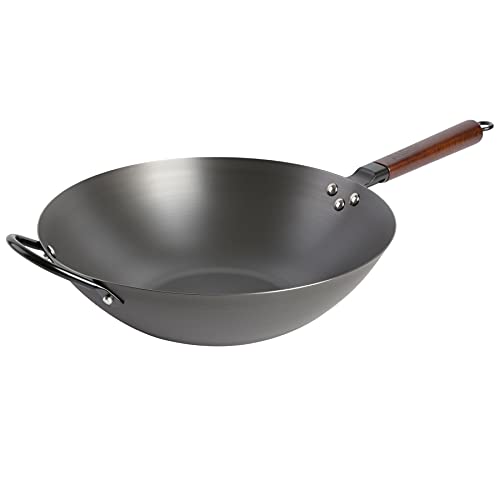
Consumer Reports Top Rated Wok 26': Babish 14 Inch Carbon Steel Wok (6" Flat Bottom)

[SNOWCLAD ENHANCED TECH]: Featuring a cutting-edge enhanced nonstick coating with a snowclad surface design, our non stick frying pans offers longer-lasting, superior non-stick performance. No more worries about peeling or flaking—this set offers exceptional durability and is designed to withstand the use of metal utensils. Additionally, our clad surface is 50% larger than that of typical hex pans.
Frequently Asked Questions
Recommended Products
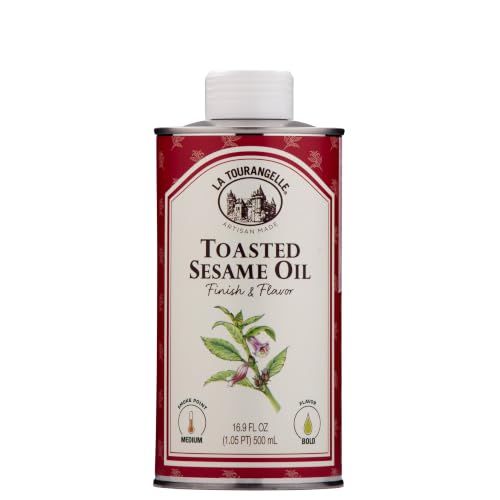
A Traditional Touch: Sesame oil has long been giving its characteristic flavor to traditional Asian food. Discover the complex and award winning flavor of our Toasted Sesame Oil for a distinct flavor in stir-fry, fried rice, noodles or marinades.

Rich and smooth taste
What noodles does Panda Express use for chow mein?
Panda Express uses soft wheat noodles similar to yakisoba noodles. Yakisoba is the closest match for a copycat recipe, though fresh chow mein noodles, ramen without the seasoning packet, or even spaghetti can work depending on what your store carries.
Can I add protein to this recipe?
Yes. Cooked chicken, shrimp, beef, or tofu can be stirred in at the end to turn the side into a full meal.
Leftover rotisserie chicken works well, or cook raw meat separately first to avoid crowding the pan.
How do I prevent my noodles from sticking together?
Rinse the noodles under cold water right after draining to strip off excess starch, then toss them with a little oil. This keeps them loose and ready for the wok instead of clumping into a solid mass.
What’s the secret to great chow mein flavor?
High heat and a hot pan. Vegetables need to sizzle the instant they hit the oil so water escapes fast instead of steaming them soft.
Doubling the oyster sauce also pulls the umami closer to the restaurant version without throwing off the salt balance.
Why is Panda Express chow mein so dry?
It is stir-fried with minimal sauce, which gives the noodles a lightly coated, slightly oily texture rather than a saucy one.
The small amount of sauce thickens quickly in the hot pan and clings to the noodles instead of pooling at the bottom.
Is Panda Express chow mein really lo mein?
No. Lo mein uses boiled noodles tossed with more sauce, so it is softer and slurpier. Panda Express chow mein is true chow mein: stir-fried with a small amount of sauce, giving the noodles a lighter, slightly crisper texture.
About The Author
