
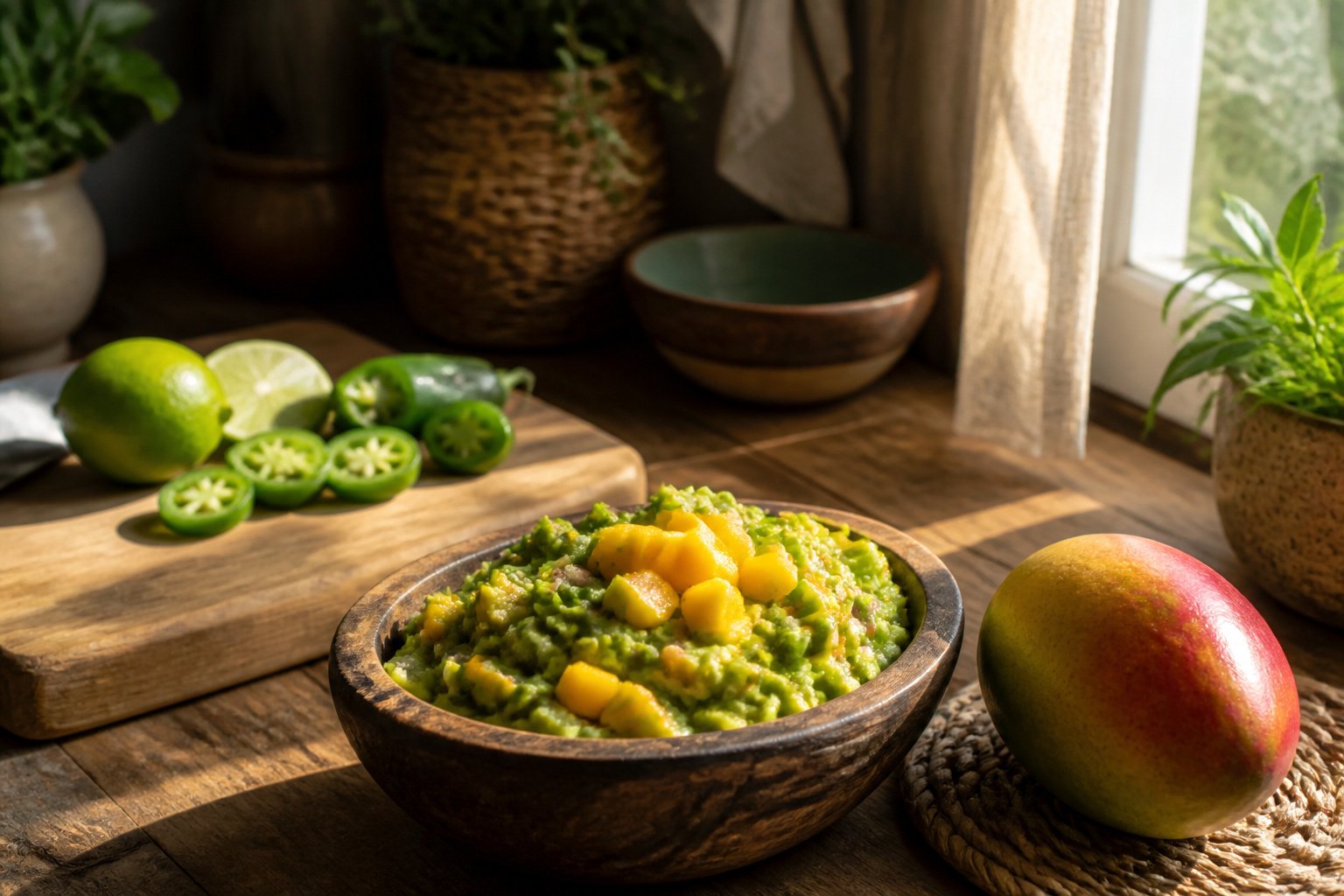
Mango guacamole tastes like familiar avocado dip with a tropical edge: ripe mango brings real sweetness against jalapeño heat and lime, and the whole thing comes together in fifteen minutes.
The balance only works if the mango is actually ripe, soft enough to smell at the stem; without that sweetness, you are left with ordinary guacamole that happens to contain fruit.
What This Is and When to Make It
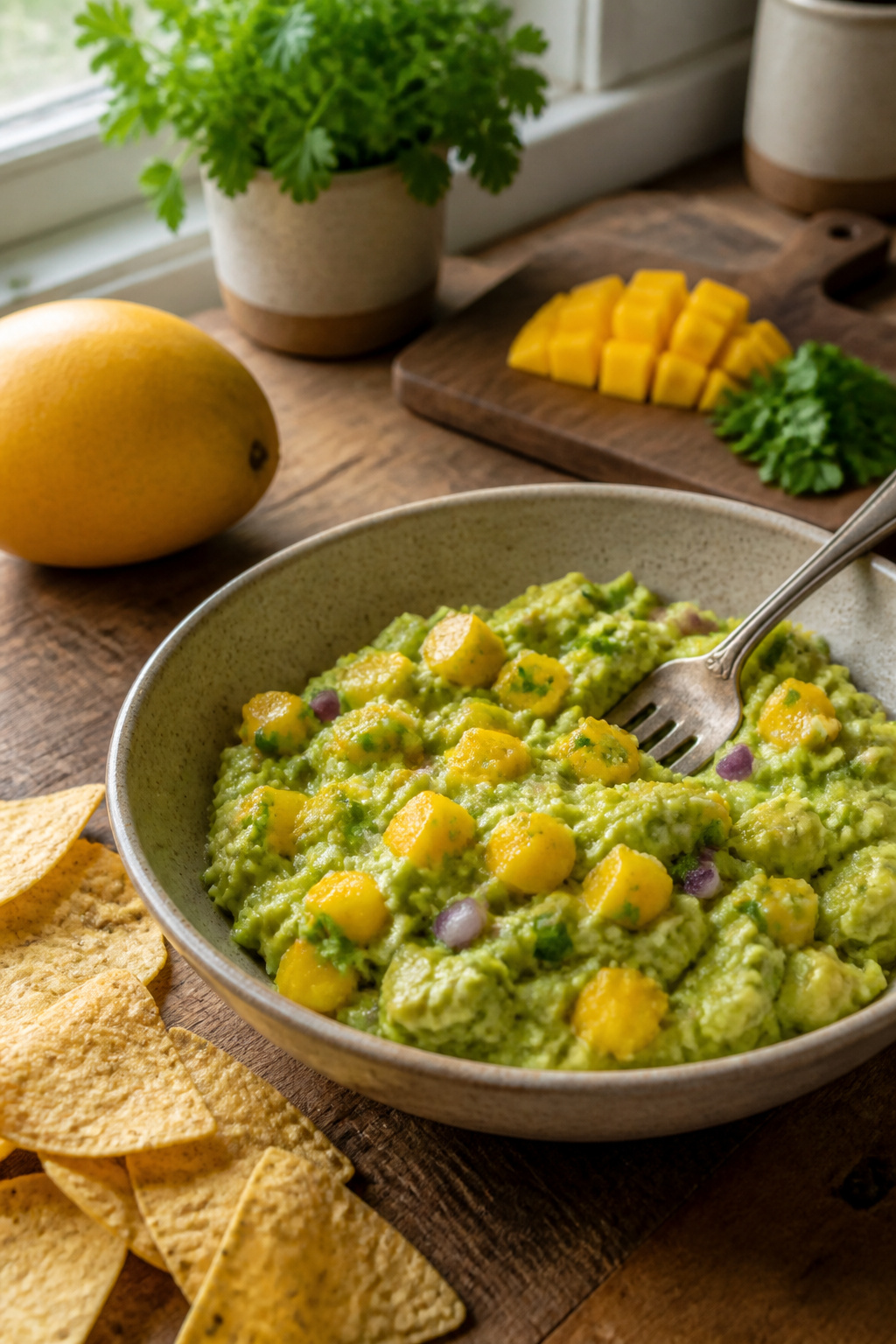
Mango guacamole lands somewhere between a classic dip and a small revelation. Ripe avocados get mashed with diced mango, red onion, jalapeño, lime juice, cilantro, cumin, and salt.
The mango does what tomato never quite manages: it brings real sweetness that plays against the heat and the fat, a tropical counterweight that still reads unmistakably as guacamole.
I first made this on a Tuesday in late July, the kind of evening where the kitchen stays warm past eight and nobody wants to chew much.
A mango had gone soft faster than expected; the avocados were ready the same day. The result was sweet-savory enough to eat with a spoon, though we finished it with tortilla chips standing at the counter.
It works for summer weeknights when cooking feels like too much, for taco nights when you want something fresher than sour cream, for potlucks where half the table brings salsa and nobody brings guac.
The real condition is simpler: ripe mangoes in season. Without that sweetness, the balance tips toward ordinary.
Recommended Products

Creamy medium salsa with fresh-tasting, smooth and spicy flavor. Pair with meat dishes or make it your go-to dip for tortilla chips.

Sweet complements spicy in this tropically inspired salsa.

Creamy mild salsa with fresh-tasting, smooth and spicy flavor. Pair with meat dishes or make it your go-to dip for tortilla chips.
Ingredients
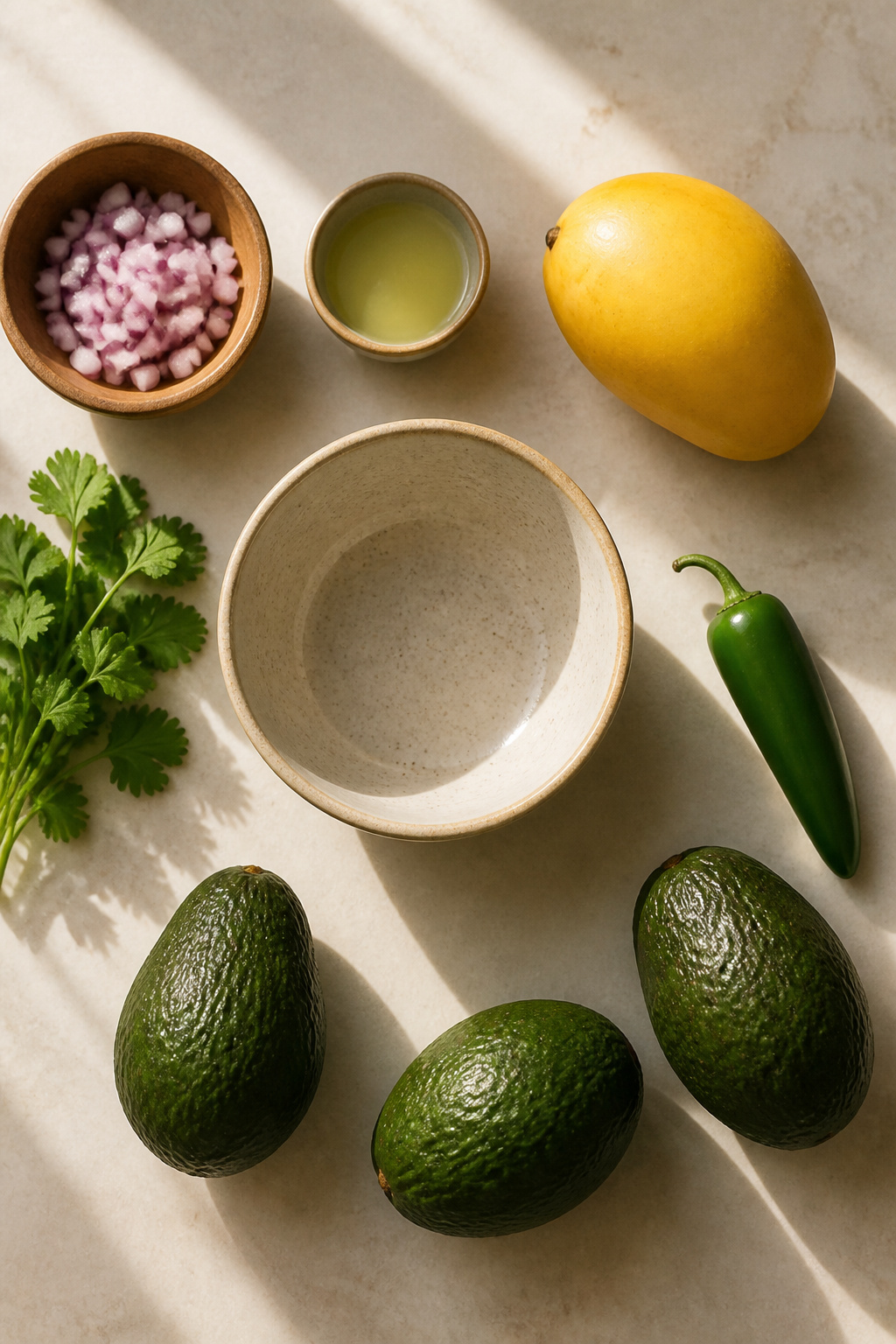
Everything here comes from the regular grocery store. No specialty produce, no tools beyond a knife and a bowl.
- 3 large avocados
- 1 large mango
- ¼ cup red onion, finely diced
- 1 jalapeño, de-seeded and minced
- Juice of 1 lime (about 2 tablespoons)
- ¼ cup fresh cilantro, chopped
- ½ teaspoon cumin
- 1 teaspoon salt
Optional add-ins that round out the flavor without another trip: ½ teaspoon garlic powder, ¼ teaspoon cayenne. I skip the garlic powder when I want the mango to stay forward, but it helps if the avocados are on the bland side.
Recommended Products
Selected and stored fresh

This item is typically available for pickup/delivery between 10am-6pm

Bright Citrus Flavor: How to keep dried cilantro tasting fresh? Our dried cilantro preserves natural citrus notes, delivering consistent taste for tacos, guacamole, curries, and homemade salsa without fading
Method

- Halve the avocados lengthwise and work the pits out with the heel of your knife. Scoop the flesh into a large bowl.
- Grab a fork and mash until the avocado breaks down but still holds some lumps. Stop while you can feel texture against the tines. Smoothing the avocado to paste loses what makes guacamole work; you want body for the mango to sit against.
- Stand the mango with its thinner side up. Slice straight down on either side of the pit to free the cheeks, then score the flesh in a crosshatch and scoop it free. Dice to roughly 1/4 inch and add to the bowl. I used to toss the mango in with everything else at once; the acid from the lime starts softening the edges into mush if it sits too long. Add it now, mix soon after.
- Scatter in 2 to 3 tablespoons of chopped red onion, the minced jalapeño, juice of one lime, 1/3 cup chopped cilantro, 1/2 teaspoon cumin, and 1 teaspoon coarse salt.
- Fold everything together gently, taste, and adjust salt or lime. The balance should read savory first, sweet second, heat at the back.
- Serve right away or cover and chill. It holds fine for an hour or two; beyond that the mango starts weeping and the color dulls.
Recommended Products


MASH WITH EASE: Efficiently mash avocados, bananas, potatoes, carrots and more with the Fox Run Stainless Steel Mini Masher! This small masher tool is perfect for mashing a variety of foods to just the texture you are looking for.
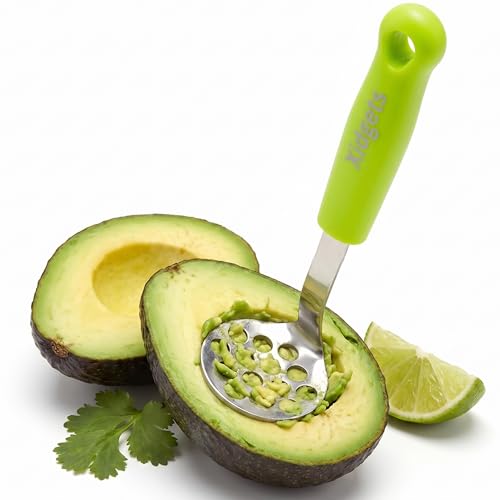
Efficient and Convenient: Our mini avocado and potato masher is designed to make mashing avocados, bananas, eggs etc.. quick and effortless. Say goodbye to messy and time-consuming manual mashing methods.
Yield and Timing

This batch comes together fast. 15 minutes of active work gets you about 3 cups of mango guacamole, enough for 6 people as an appetizer.
Pati Jinich’s version clocks in at 12 minutes total, while Tasting Table lands at 10. In my kitchen, peeling and dicing a ripe mango properly adds those extra minutes, and I would rather under-promise than rush the knife work.
The optional 30 minutes of chilling is worth it. The flavors settle, the lime juice penetrates the mango, and the texture firms up to something you can actually mound on a chip.
Cleanup stays minimal: one bowl, one knife, one fork or masher. No food processor, no molcajete required unless you already own one and prefer the ritual.
That simplicity matters on a weeknight when guacamole is the side dish, not the project.
Recommended Products

One 20 ounce bag of Restaurant Style Tortilla Chips

Includes one (1) 10.1-ounce bag of Late July sea salt organic tortilla chips
Avocado Guac Guacamole in Bowl Funny Cinco De Mayo Party Costume
Picking Ripe Avocados and Mangoes

An avocado ready for guacamole should feel like the soft pad at the base of your thumb: a slight give, not a collapse. Press too hard and you bruise the flesh before you even leave the store.
Mangoes follow a similar rule. A ripe mango smells fragrant at the stem and yields just a little when you squeeze it gently.
Skip the squeeze entirely and you risk a mango that slices like a raw potato.
Underripe avocados fight the fork. The flesh stays rubbery and clumps instead of creaming into the lime and salt.
Underripe mangoes taste starchy, almost like a parsnip, and their sweetness stays locked behind that chalky wall.
I have brought home hard avocados and left them on the counter for a couple of days, checking each morning, waiting for that shift from unyielding to right. The plan-ahead move is buying them firm and ripening at home.
Once they hit the mark, the refrigerator slows them down for up to two weeks.
Recommended Products

Salsa with tomatoes , mangos, peaches, pineapple, onions, garlic, cilantro and lime juice


Includes: 3 Jars of 505 Southwestern Pineapple Mango Jalapeno Salsa Medium - 17 oz
Preparing the Mango

Stand the mango on its end, stem side down, and slice straight down along both sides of the flat pit to free the two cheeks.
The pit clings to the center, so work the knife close to it without forcing through.
Once you have those halves, score the flesh in a crosshatch pattern, cutting down to the skin but not through it, then push the skin from underneath so the cubes pop outward like a hedgehog. A spoon scoops them clean.
Some cooks peel the mango first with a vegetable peeler when the fruit is ripe enough to yield. I have tried both ways and keep coming back to the hedgehog method.
The skin gives you something to grip, and the cubes fall away neatly without the slipperiness of handling a peeled half.
"If you buy it cut up, looks for a batch that is dark orange. The light pieces will not be very juicy."
That color cue matters more than convenience. Pale, underripe mango stays stiff and tastes flat against the avocado, while deep orange chunks collapse into the dip the way you want.
Recommended Products

Two Fresh Dips, One Box: Three Mild Salsa packets make fresh tomato salsa from diced tomatoes and onion; three Mild Guacamole packets turn ripe avocados into creamy guac - one variety pack covers both halves of the chip bowl

BOLD FLAVOR - Intensify your favorite recipes with Sugar 'N Spice Freeze-dried Cilantro! Made from 100% real cilantro, these flavorful cilantro pieces are perfect for adding a burst of flavor to salsas, dressings, marinades, and more.

Preventing Brown Guacamole

Lime juice slows browning but does not stop it, so pressing plastic wrap directly against the surface matters more than the squeeze.
An airtight container buys you 1 to 2 days maximum in the refrigerator, though in my house it rarely survives overnight. Guests tend to park themselves by the bowl.
The thin brown layer that forms underneath is still edible, and I scrape rather than discard.
Recommended Products

[Perfect Pairing]YVREOLP avocado tool set includes avocado cutter and avocado masher tool,enabling you to quickly slice and mash avocados to meet all your avocado-loving needs.
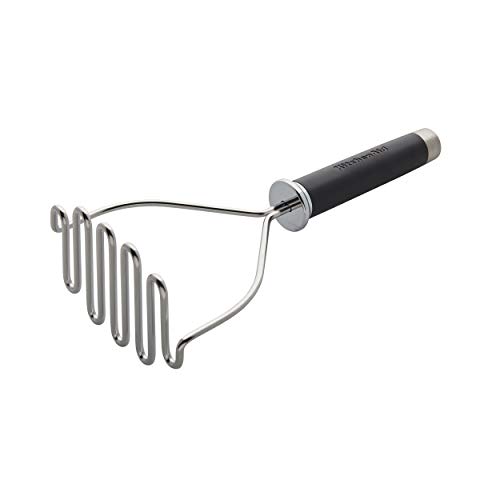
IDEAL FOR MASHING VEGETABLES : Perfect for mashing root vegetables, avocadoes, apples, and nuts

Durable and Rustproof: Made from 100% high-carbon stainless steel, this fruit and avocado masher tool is durable and resistant to rust, ensuring long-lasting use. Our tough potatoes' masher handles frequent mashing tasks without losing its quality.
Serving Suggestions

Tortilla chips are the obvious starting point, and they work because the salt and crunch balance the mango’s sweetness without competing for attention.
I have piled this guacamole onto fish tacos with shredded cabbage and a quick lime crema, and the cold fruit against warm grilled cod makes the whole thing feel like something from a coastal stand rather than a weeknight kitchen.
Burritos hold up well too, though I learned to keep the guacamole layer thin; too much and the rice soaks up the juice, turning the wrap soggy by the third bite.
Black bean bowls are where this recipe earns its keep at my table. The beans need little more than cumin and garlic, and the mango guacamole replaces any need for a separate salsa or crema.
One combination failed outright: a plate of spicy barbecue chicken with a heavy molasses rub. The sweetness in the mango and the sweetness in the sauce collided instead of complementing each other, and the smoke just amplified the confusion.
Grilled fish, simply seasoned, has been the better match every time. A hot fillet of mahi-mahi or even sturdy halibut with nothing but salt, pepper, and a light char gives the guacamole something clean to land on.
Recommended Products
Includes one (1) 7.4-ounce bag of Late July sea salt dippers organic tortilla chips

El Sabroso Original Salsitas, Spicy Salsa Tortilla Rounds, 3-Ounce Bags (Pack of 3)

Includes one (1) 10.1-ounce bag of Late July sea salt & lime organic tortilla chips
Variations

Half a cup of fresh pineapple, diced small, is the variation that stuck in my regular rotation. The acidity brightens the whole bowl, though I will say it softens faster than mango so the guacamole does not keep as well.
Pomegranate arils give crunch and color, and they look dramatic against the green, but the juice stains the avocado if you stir too hard. Fold them in gently at the end, or skip them if the guacamole needs to travel.
Bell pepper adds more crunch than I personally want. Red bell pepper dominates the texture without adding much flavor; orange is milder but still not worth the extra knife work.
Fresh garlic, two cloves minced fine, replaces garlic powder cleanly, though it sharpens over time so same-day serving matters more.
Frozen mango can work if fully thawed and drained, but fresh is better for texture. The thawed chunks weep and turn slightly mealy against the creamy avocado.
If fresh mango is hard to find, drain the frozen on a paper towel for ten minutes and accept a softer finished spoonful.
Recommended Products

Mild salsa verde with a mouthwatering, tangy-sweet taste. Pair with meat dishes or make it your go-to dip for tortilla chips.

Includes (15.5 oz) Jar of Tostitos Salsa Dips, Chunky Habanero Salsa.

Stonewall Kitchen Mango Lime Salsa, 16 oz
Adjusting the Heat

Jalapeño seeds carry most of the heat, so one whole pepper, seeds and all, gives the guacamole a sharp kick that stands up to the mango’s sweetness.
For a milder batch, half a pepper with ribs scraped clean keeps the vegetal flavor without the burn.
Cayenne works as a backup when the pepper bin at the grocery store looks sad, though it hits the back of the throat differently than fresh capsaicin.
One teaspoon of salt brightens all the layers; half a teaspoon leaves the dip flat, especially against cold tortilla chips.
I learned this the hard way at a cookout where I scaled back for the kids and watched adults reach for the shaker.
When I’m making this for a mixed table, I split the batch after the base mash. Adults get the full pepper; the kid bowl gets a quarter teaspoon of cayenne stirred in at the end so the color stays familiar.
The time I misjudged and dumped two seeded peppers into one bowl, the only fix was doubling the avocado and mango, then folding the original batch back in bit by bit until the heat spread thin enough to taste the fruit again.
Frequently Asked Questions
How do I prevent avocados from browning?
Lime juice slows oxidation but won’t stop it completely. Press plastic wrap directly against the surface of the guacamole before sealing the container; that contact matters more than extra citrus.
Stored this way in an airtight container, the guacamole holds for 1 to 2 days in the refrigerator.
Can I prepare this recipe ahead of time?
Yes, though same-day serving is best. The guacamole keeps for an hour or two at room temperature or 1 to 2 days chilled.
Beyond a couple of hours unrefrigerated, the mango starts weeping and the color dulls. A 30-minute chill before serving actually helps the flavors settle and the texture firm.
Can I use frozen mango in this recipe?
Fresh mango is better for texture, but thawed frozen mango works if you drain it thoroughly.
Lay the thawed chunks on a paper towel for about ten minutes to absorb excess liquid; otherwise they weep and turn mealy against the creamy avocado. Expect a softer finished spoonful than you’d get with fresh fruit.
What not to put in guacamole?
Heavy, sweet sauces clash rather than complement. A thick molasses-based barbecue glaze collided badly with the mango’s sweetness in one test, and smoky flavors amplified the confusion.
Bell pepper adds crunch but dominates the texture without contributing much flavor; the author found it not worth the extra knife work.
Do avocado and mango go together?
Yes, and the pairing is why this recipe works. The mango brings real sweetness that plays against the jalapeño heat and the avocado’s fat, a tropical counterweight that still reads unmistakably as guacamole.
The balance should taste savory first, sweet second, heat at the back.
What are the five ingredients needed to make mango salsa?
The guacamole recipe here calls for avocado, mango, red onion, jalapeño, lime juice, cilantro, cumin, and salt.
If you want a mango salsa, you’d typically swap out the avocado and cumin for tomato and perhaps bell pepper, but that’s a different dish.
What is the secret to great guacamole?
Stop mashing while the avocado still holds some lumps. Sources that smooth it to paste lose the point; you want body for the mango to sit against.
One teaspoon of salt also matters more than you’d think; half that amount leaves the dip flat, especially against cold tortilla chips.
About The Author
