
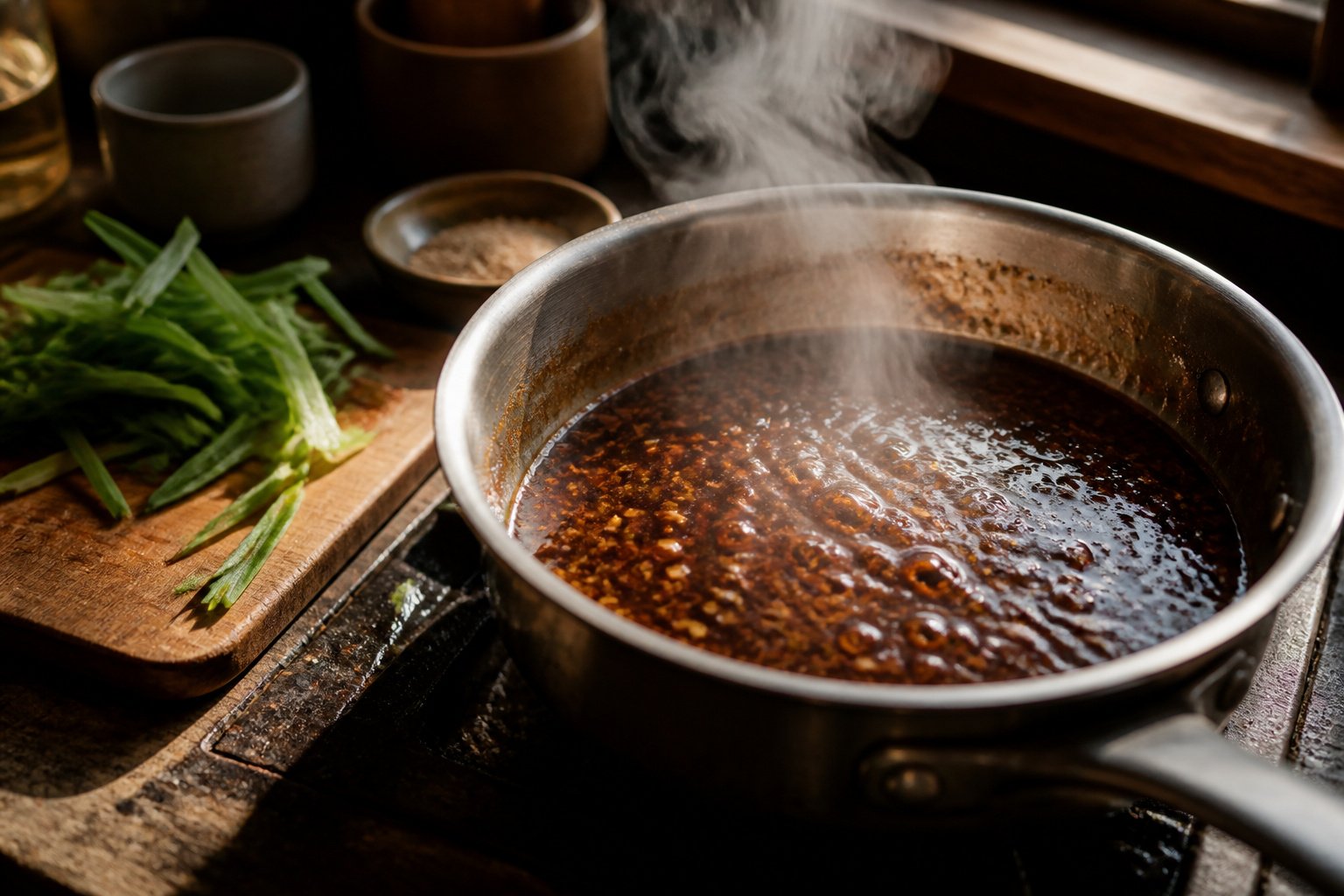
This teriyaki stir fry sauce tastes sharper and more alive than anything from a bottle because it is fresh. Ten to fifteen minutes on the stove, about a cup and a half, and you are done.
The salt is what makes it tricky. Start with regular soy sauce and the reduction will wreck it.
Low-sodium is non-negotiable here, since the simmer concentrates everything.
I keep mine in a pint jar. It lasts two weeks, covers three or four meals, and costs a fraction of one takeout order.
What This Sauce Is and When I Make It

The teriyaki stir fry sauce recipe I keep in rotation gets pulled out on weeknights when ordering out feels tempting and the math doesn’t work.
Fifteen dollars for one bag of soggy vegetables versus a jar that covers three or four meals at home; the saucepan wins every time.
Teriyaki itself is a Japanese cooking method, not originally a sauce at all. The word describes meat grilled over heat and brushed with a sweet-salty glaze called tare.
American home kitchens gradually flattened that into the glossy, soy-based bottle we recognize now, thicker and more singular than the original. This version takes ten to fifteen minutes on the stove, uses pantry ingredients, and yields about a cup.
Stored in a sealed jar, it keeps for up to two weeks in the refrigerator; some cooks push that to a week, but the two-week mark has held steady in my use.
One batch replaces a store bottle entirely, and the flavor is sharper for being fresh.
Recommended Products

WEEKNIGHT MEAL: Add our award winning Veri Veri Teriyaki Less Sodium Marinade & Sauce to your favorite homemade meal for an easy weeknight dinner with three delicious flavors of salty gingery and garlicky; Package may vary

2 - 10 fl oz bottles of Kikkoman Less Sodium Teriyaki Sauce

Teriyaki marinade and sauce is great for adding to veggies, meat or chicken
Ingredients

Low-sodium soy sauce is the base, and the "low-sodium" part actually matters here. The sauce simmers down and concentrates, so starting with the regular stuff leaves you with something too salty to save.
Half a cup goes into the pot. Tamari works if you need gluten-free, and coconut aminos is an option when you want even less salt, though you’ll want to taste as you go since it carries a different sweetness.
The rest builds on that:
- 1/2 cup brown sugar
- 2 tablespoons honey
- 3 cloves garlic, pressed
- 2 teaspoons ground ginger or 3 tablespoons freshly grated ginger root
- 2 tablespoons cornstarch
- 1 1/4 cups cold water
- 1 tablespoon sesame oil
Recommended Products

Kikkoman Tamari Soy Sauce is a full-bodied seasoning with a deep, rich color and unique, fine flavor

Contains one 14.5-ounce bottle of La Choy Teriyaki Stir Fry Sauce & Marinade

A FULL TASTE WITH 50% LESS SODIUM: Organic Tamari Lite 50% Less Sodium Gluten Free Soy Sauce helps you and your family reduce salt intake while enjoying the full, enhanced flavor of homemade meals so you can experience all the mouthwatering ways that soysauce’s distinct taste is used for dipping, marinating, and glazing
Method

- Combine soy sauce, brown sugar, honey, garlic, ginger, and sesame oil in a saucepan over medium heat. The mixture looks thin and almost watery at this stage, with the sugar sitting visibly on the bottom until you start stirring.
- Bring to a boil while stirring constantly for even mixing. You want the sugar fully dissolved before the bubble hits, or it can scorch in spots.
- Simmer 5–7 minutes to let flavors meld. The sauce darkens slightly and the kitchen starts smelling like actual teriyaki, not just sweet soy.
- Mix cornstarch with cold water to make a slurry. Two tablespoons of water is the standard ratio for a batch this size; anything warmer and the cornstarch clumps before it hits the pan.
- Stir slurry into sauce and cook until thickened. This takes about 3–4 minutes of gentle bubbling; the sauce turns glossy and coats the back of a spoon.
- Remove from heat, cool, then store in an airtight container. It keeps thickening as it cools, so pull it slightly earlier than you think.
Recommended Products

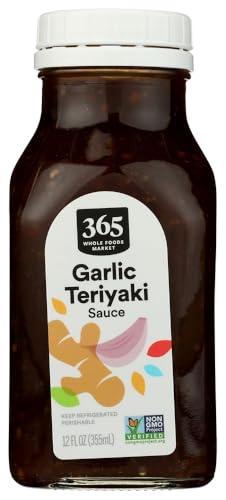
10 oz organic teriyaki sauce

A tangy, sweet favorite with ginger purée, pineapple juice and toasted sesame oil. Use to marinate beef or chicken, or stir-fry your choice of protein with veggies and serve over rice with a sprinkle of sesame seeds.
Yield and Storage

This batch yields about 1 1/2 cups of sauce, enough for roughly three generous stir-fries depending on how heavily you coat the pan.
The sauce thickens more as it cools, so what looks pourable straight off the stove will cling to a spoon after an hour in the fridge.
Refrigerate it in an airtight container for up to 2 weeks. I like a pint jar with a tight lid; you can see how much is left, and it pours clean without dripping down the sides.
For longer storage, freeze it flat in a heavy zip-top bag or a dedicated freezer container.
The flavor holds fine, though the texture may change slightly upon thawing; a quick whisk or a few seconds back on the heat brings it back together.
Recommended Products
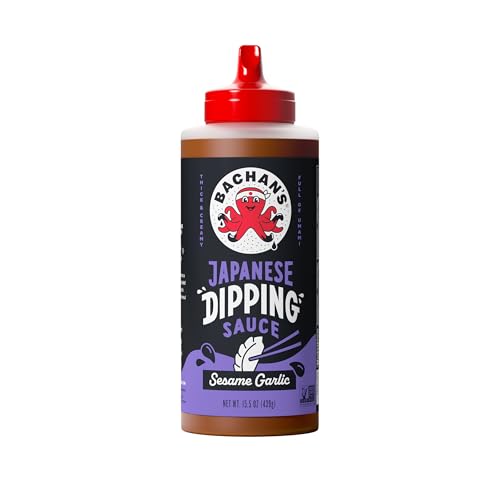
UNLIKE ANY OTHER JAPANESE GARLIC DIPPING SAUCE: Thick, sweet, and savory with creamy stone-ground sesame, white miso, and non-GMO soy sauce for rich umami, balanced by organic garlic, rice vinegar, and toasted sesame oil for a smooth finish.

TRADITIONAL JAPANESE UNAGI SAUCE: Made with a sweet and savory soy base, this eel sauce delivers the thick, glossy glaze you'd expect from a Japanese restaurant — perfect for drizzling over sushi rolls, rice bowls, and grilled eel right at home.

No fat, cholesterol, or MSG
Substitutions and Adjustments

Honey works in place of brown sugar, but start with about half the amount and taste as you go; it runs sweeter and thinner, so the sauce reduces differently.
Fresh garlic and ginger give a sharper, more insistent punch, though powdered blends in more smoothly and still tastes good on a weeknight when you’re not up for mincing.
Toasted sesame oil is more intense than regular; a little carries the whole batch, and regular can leave the finish flat. Regular soy sauce makes the final sauce too salty once it reduces, so low-sodium is the safer bet.
For gluten-free or lower-sodium needs, coconut aminos substitute well, though you’ll want to begin with half the amount and adjust for saltiness after tasting.
If the finished sauce lands too sweet, dial back the honey next time; if it needs more salt, add soy sauce by the teaspoon rather than the tablespoon.
Recommended Products

UNLIKE ANY OTHER JAPANESE DIPPING SAUCE: Thick, sweet, and savory with creamy stone-ground sesame, white miso, and non-GMO soy sauce for rich umami, balanced by organic ginger, rice vinegar, and toasted sesame oil for a smooth finish.
![[MISHIMA] Umami Sauce - Ginger & Sesame Oil | Chef Troy's Recipe (3.88 oz/110g) (1 Jar)](https://m.media-amazon.com/images/I/4198ibicxKL._SL500_.jpg)

Endless Cooking Possibilities: From salad dressings to high-heat cooking, this garlic-infused oil is the perfected infusion of fresh, aromatic garlic into organic sunflower oil. Can also use as a dipping oil!
Using the Sauce

The sauce earns its place in the fridge by doing three jobs well.
As a marinade, it needs thirty minutes to two hours for chicken, beef, or pork; fish takes less time, and tofu falls somewhere in between depending on how firm it is.
The sugars start to work fast, so I do not push the upper end with anything delicate.
For a glaze, I brush it on during the last few minutes of cooking, whether that is salmon under the broiler or chicken thighs on the grill. The heat caramelizes the surface without letting it burn.
As a stir-fry sauce, the pan has to be hot and the sauce goes in at the end, tossed with the proteins and vegetables just long enough to coat.
Adding it early means scorched sugars and a pan that needs more scrubbing than dinner deserves.
Recommended Products

10 oz organic reduced sodium shoyu soy sauce
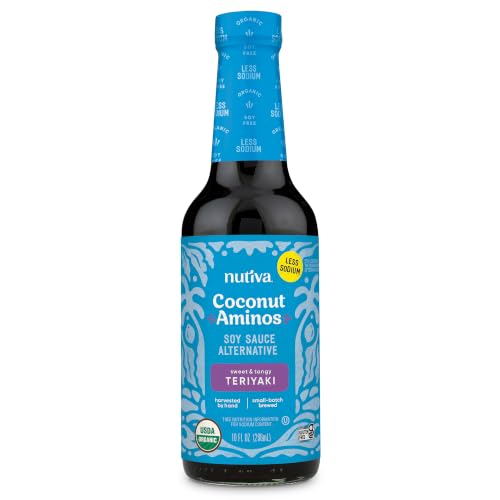
GREAT TASTING SOY FREE ALTERNATIVE - Coconut Secret Coconut Aminos Teriyaki Sauce is a new innovation in healthy Asian cuisine. Its created by blending our Original Coconut Aminos sauce with aromatic spices to create an exceptional seasoning and stir-fry sauce. It is great brushed over fish, chicken, meat and veggies, or in sautés and marinades

This full bodied, sweet savory and tangy sauce with soy sauce, garlic and ginger flavors Contains 50 percent less sodium than regular Kikkoman Teriyaki Marinade and Sauce
Frequently Asked Questions
Recommended Products

HEARTY FLAVOR WITH LESS SODIUM: Our brew master has retained the rich flavor of San-J Gluten Free Teriyaki Sauce, while reducing its sodium by 50%. We take San-J Tamari Lite and add honey, sake, and ginger so the result is San-J Teriyaki Lite that’s delecctable, sweet and savory without compromising on taste

A tangy, irresistible sauce that adds a distinct sweet n' Sour Asian flair to your meal, Primal Kitchen no soy teriyaki sauce is an Uncompromisingly delicious condiment to savor every bite

How long does homemade teriyaki sauce last?
Homemade teriyaki sauce keeps for up to two weeks in the refrigerator when stored in an airtight container. A pint jar with a tight lid works well; you can see how much is left, and it pours clean.
For longer storage, freeze it flat in a heavy zip-top bag or dedicated freezer container.
Can I use honey instead of brown sugar?
Yes, though you should start with about half the amount and taste as you go. Honey runs sweeter and thinner than brown sugar, so the sauce reduces differently.
If the finished batch lands too sweet, dial back the honey next time.
How do I thicken teriyaki sauce?
Mix cornstarch with cold water to make a slurry, then stir it into the simmering sauce and cook until glossy, about 3 to 4 minutes.
Two tablespoons of cornstarch and two tablespoons of cold water is the standard ratio for a batch this size; use cold water or the cornstarch clumps.
What is the difference between teriyaki sauce and stir fry sauce?
Teriyaki is a specific Japanese cooking method involving a sweet-salty glaze brushed over grilled meat, while stir fry sauce is a broader category of sauces used in Chinese-style wok cooking.
American teriyaki sauce is thicker, sweeter, and more soy-forward than traditional tare, and it works as one type of stir fry sauce among many.
What is the secret to a good teriyaki sauce?
Fresh ingredients make the sharpest difference. Pressed garlic and grated ginger root give more punch than powdered, and low-sodium soy sauce prevents the sauce from becoming too salty once it simmers down and concentrates.
The sauce also thickens more as it cools, so pull it slightly earlier than you think.
What are the three ingredients in teriyaki sauce?
A basic teriyaki sauce needs soy sauce, a sweetener, and a thickener. This recipe uses low-sodium soy sauce, brown sugar and honey for sweetness, and cornstarch slurry for body, plus garlic, ginger, and sesame oil for depth.
What are the four ingredients in a 4-ingredient teriyaki sauce?
The simplest version would be soy sauce, a sweetener such as brown sugar or honey, cornstarch for thickening, and water to make the slurry and adjust consistency. This fuller recipe adds garlic, ginger, and sesame oil for more complex flavor.
About The Author
