
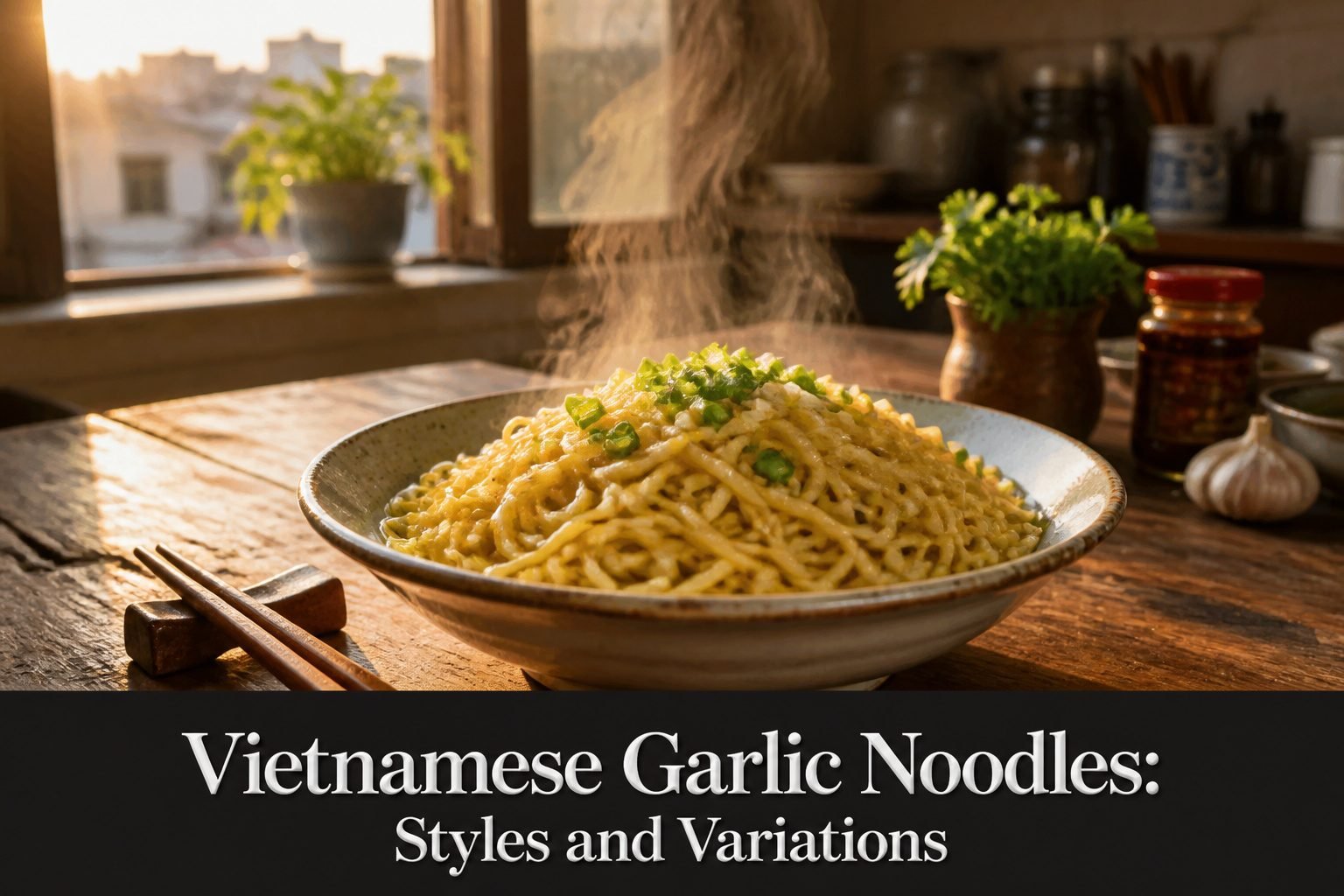
Vietnamese garlic noodles are a garlic-butter pasta built on fish sauce, oyster sauce, and Parmesan rather than olive oil and herbs.
The thing that trips most home cooks is the garlic itself: 10 to 20 cloves, softened slowly in butter until translucent but never browned, since browned garlic turns bitter with no recovery.
Helene An created this style in 1975 at San Francisco’s Thanh Long, pairing Italian technique with Vietnamese umami to make a dish that now moves between weeknight stoves and white-tablecloth crab houses.
1. Classic Vietnamese Garlic Noodles

A pound of noodles is the starting point, and sources split between refrigerated lo mein and dry spaghetti.
Either works. The real engine is garlic, anywhere from 10 to 20 cloves depending on how much you trust your social calendar.
Melt 2 to 4 tablespoons of butter over low heat, add the minced garlic, and keep the heat low enough that the garlic softens without browning; browned garlic turns bitter fast, and there is no recovering from it.
The sauce builds from three umami sources: 1 to 4 tablespoons of oyster sauce, 1 to 2 tablespoons of fish sauce, and a smaller hit of soy sauce, usually around 2 teaspoons.
A teaspoon to a tablespoon of sugar balances the salt, and ¼ to ½ cup of grated Parmesan finishes it. The cheese is the clearest break from Italian garlic pasta, which stops at olive oil, garlic, and maybe parsley.
Parmesan here does not melt into a creamy sauce; it clings in sandy flecks, adding a fermented edge that reads almost like a second fish sauce.
Toss the drained noodles directly into the pan with the garlic butter, add the sauces and sugar, and work in a splash of pasta water until the coating turns glossy.
The Parmesan goes in last, off heat, so it does not seize.
Some cooks add green onions; some skip them. The dish takes about 15 minutes from water boil to plate, which explains why it has stayed in weeknight rotation since 1975.
Recommended Products


2. San Francisco-Style Garlic Noodles

The San Francisco version of Vietnamese garlic noodles carries a heavier hand with both garlic and Maggi seasoning, and that difference is exactly what sets it apart.
Helene An developed this style in 1975 at Thanh Long, shortly after immigrating to the United States, blending the garlic-butter-Parmesan framework she encountered in Italian-American cooking with the concentrated umami of Maggi, fish sauce, and oyster sauce.
Where a classic preparation might stop at a few cloves, this one runs up to 10 garlic cloves per half pound of pasta, softened slowly in butter until the bite mellows but the intensity stays.
Maggi became the signature ingredient for practical reasons that shaped a broader culinary identity. The seasoning sauce delivered depth and familiarity to American palates without requiring the fermented complexity of purely traditional Vietnamese approaches.
It was accessible, consistent, and it worked. The result was a dish that read as comfort food to one audience and as resourceful adaptation to another, a balance that defined much of Vietnamese-American cooking in that era.
The cultural significance sits in that middle space: not traditional Vietnamese, not Italian, but a specifically Vietnamese-American creation born from immigration and improvisation.
An’s garlic noodles became a signature at Thanh Long, typically paired with roasted Dungeness crab or butterflied prawns, and the format spread across Vietnamese fusion and mainstream restaurants nationwide. For home cooks, the style offers a useful benchmark.
The Maggi-forward, high-garlic approach produces a more aggressive, immediately savory plate than subtler variations. If that sounds like too much, a soy-Worcestershire substitute softens the profile; if it sounds right, the original combination is worth seeking out.
Recommended Products

Nourish the skin with this ultimate moisturizing multitasker. Perfect for hands and body, this versatile 2in1 lotion is hypoallergenic*, and dermatologist tested. The whole family will love the fast aborbing formula that keeps skin protected, hydrated, smooth, and calm. *Individual skin types may vary

Creamy, savory authentic Italian flavor

Campbell's Condensed Sauces, new from America's favorite soup maker, make dinner easy when you add your favorite protein
3. Vegetarian and Vegan Variations

Adapting Vietnamese garlic noodles for a vegetarian or vegan plate means dealing with fish sauce and oyster sauce, the two ingredients that carry most of the savory depth.
Soy sauce and Maggi seasoning are the substitutes that actually work, though the flavor shifts from the fermented funk of fish sauce to a cleaner, saltier umami.
Maggi adds MSG and a darker, richer backbone than standard soy sauce, so if you can find the bottle in the international aisle, start there.
Some cooks blend equal parts soy sauce and Worcestershire sauce when Maggi is unavailable, which gets closer to that layered savor.
Oyster sauce is easier to replace. Vegetarian oyster sauces use mushrooms, soybeans, and brown sugar instead of the real thing, and they sit right on the same shelf at most standard grocery stores or any local Asian market.
The sweetness and thickness hold up well enough that the finished noodles still cling properly and carry that glossy sheen.
The flavor profile does change, no question. You lose the fermented depth that makes the original dish so compulsive, but the garlic, butter, and sugar still do enough work that no one at the table will call the bowl flat.
Recommended Products
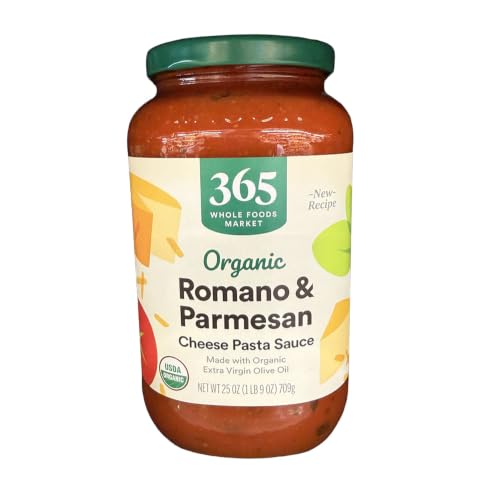
25 oz organic four cheese pasta sauce
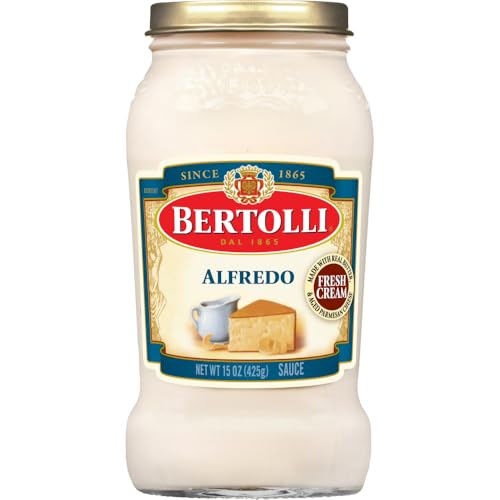
One 15 OZ jar of Bertolli Alfredo with Aged Parmesan Cheese Pasta Sauce

FLAVORFUL MARINARA SAUCE: Made with sweet, vine-ripened tomatoes that are blended with savory seasonings for a taste that is authentically Italian
4. Seafood Additions

Shrimp, crab, and lobster each ask for a different approach in Vietnamese garlic noodles.
Shrimp cook fast enough to go straight into the garlic butter, where they pick up flavor in the two to three minutes they need to turn pink and curl.
Pull them out just before they finish; they will carry-over cook while you toss the noodles.
Crab and lobster both reward patience.
The meat is already cooked when you buy it, so warm it through gently to keep it from turning stringy. Fold crab in at the very end, off heat, so it heats gently in the residual warmth of the noodles.
Lobster calls for a separate sear in the pan first, then a rest while the garlic butter comes together. Slice it after resting, not before, or the juices run and the texture tightens.
The garlic butter itself is a decision point. Searing shrimp separately keeps their moisture out of the fat, which matters if you are building a sauce that needs to cling.
But cooking them in the same pan saves a dish and layers shellfish flavor into the butter that coats every strand. For weeknight cooking, the single-pan method wins most nights at my stove.
Recommended Products

Natural ingredients are used for the best taste

Some people don’t prefer onions and garlic in their diet.

SPICY & SAVORY FLAVOR: Reach for bold, savory garlic flavor with warm, lingering chili heat and an umami-rich finish to infuse everyday and special occasion meals with quick and easy flavor the whole family will love.
5. Spicy Variations

Heat changes the whole mood of garlic noodles, and the timing matters more than the amount.
Add chili oil or red pepper flakes to the garlic as it softens in the butter, not at the end, so the fat carries the heat through every strand instead of leaving it patchy on top.
Red pepper flakes give you a direct, sharp burn that builds; chili oil spreads warmth more evenly and carries its own toasted depth.
The choice between neutral oil infused with chili and finished chili crisp comes down to texture.
Infused oil keeps the sauce smooth and lets the garlic stay center stage. Chili crisp brings crunch and a fermented funk that can crowd the noodles if you use more than a spoonful.
For my taste, a plain chili oil works better here than something already loaded with spices and MSG, since the garlic and butter have their own thing going.
Start with less than you think; you can always stir more in at the table, but you cannot take it back once the whole bowl is glowing.
Recommended Products

Bold Garlic and Herb Flavor: Packed with savory garlic and herb taste in every spoonful

KERRYGOLD IRISH BUTTER WITH GARLIC & HERBS: The creamy, rich texture & sweet flavor of our original, classic Pure Irish Butter, with an additional, complex layer of garlic & herb, brings any dish to life.

RICH GARLIC BUTTER FLAVOR Turn any meal into a flavorful experience with this smooth, savory garlic butter sauce packed with bold taste.
6. Noodle Type Options

The noodle you choose changes how the sauce clings and how much you fight the clock.
Chow mein and Shanghai noodles both handle the garlic-butter mixture well, but chow mein is thinner and cooks faster, so it goes from al dente to soggy in about a minute.
Shanghai noodles, the thicker wheat-and-egg style, buy you more room. Lo mein sits in the middle, thicker than chow mein, and the refrigerated fresh ones have a chew that dried noodles never quite match.
Spaghetti works if that is what is in the pantry, though it needs a harder drain, no rinsing, since its surface starch helps the sauce adhere.
| Noodle | Thickness | Rinse After Boiling? | Texture | Cook Time Tip |
|---|---|---|---|---|
| Chow mein | Thin | Yes | Soft, soaks up sauce fast | Shave 3 minutes off package time |
| Shanghai | Thick | Yes | Chewy, substantial | Standard time, watch closely |
| Lo mein | Medium | Yes | Bouncy, elastic | Fresh: 1 minute; dried: follow package, minus 3 minutes |
| Spaghetti | Medium | No | Firmer, needs cling | Al dente per package, reserve 2 cups pasta water |
Rinse chow mein, lo mein, and Shanghai noodles in cold water right after draining. This stops carryover cooking and keeps them from turning to mush when they hit the hot pan.
Spaghetti skips this step; its surface starch is what lets the butter sauce emulsify instead of pooling. Fresh egg noodles are fastest, done in about a minute, while dried lo mein or spaghetti need the full boil.
Whichever you use, pull them early. They finish in the pan with the garlic and butter, and that last minute of folding is where the sauce turns creamy instead of greasy.
Recommended Products

CRISPY FRIED SHALLOTS - Widely used in Southeast Asian Cooking and a staple in Vietnamese Cooking

Flavor Unlock – Our tangy hot sauce blends sun-ripened chilies and fresh garlic for bold, balanced flavor that enhances your food without overpowering it.

PREMIUM PHO NOODLES: Asian Best Pho Gao rice noodles deliver authentic Vietnamese flavor and texture for a restaurant-quality bowl at home.
Where Vietnamese Garlic Noodles Come From

Vietnamese garlic noodles were created by Helene An at Thanh Long, a San Francisco restaurant, in the 1970s.
An had immigrated to the United States from Vietnam in 1975 and wanted a dish that would draw American diners while still tasting like home.
The result blended Italian pasta technique with Vietnamese flavor building, a pairing that was genuinely new rather than traditional.
Some accounts say the idea came after a disappointing bowl of garlic spaghetti at a North Beach Italian spot.
An took that basic concept and rebuilt it with fish sauce, Maggi seasoning, and oyster sauce for umami depth, finishing with Parmesan. The dish became Thanh Long’s signature, almost always served alongside whole roasted Dungeness crab or butterflied prawns.
What started as one restaurant’s experiment spread into a broader Vietnamese-American staple.
The recipe traveled far enough that home cooks now search it out as a weeknight option, not a restaurant-only experience. That migration from white-tablecloth seafood house to home kitchen is probably the surest sign the dish earned its place.
Recommended Products
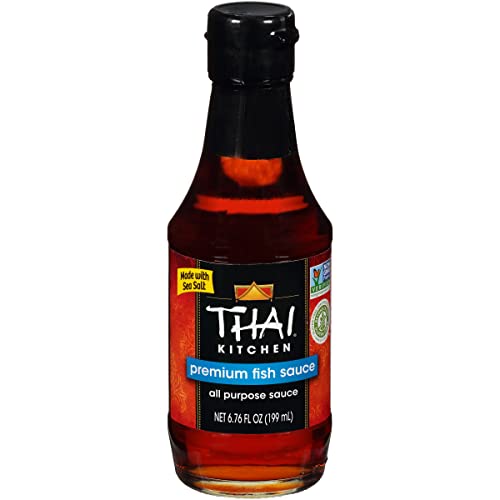
Premium Fish Sauce carefully crafted from the pressing of salted anchovies

BRING HOME THE FLAVOR YOU LOVE: Made with Italian herbs, parmesan cheese and garlic, our Parmesan Garlic sauce delivers the familiar, delicious taste you love.

Lemon Butter Dill Sauce complements seafood’s great taste
Cooking the Garlic Without Burning It

Medium heat is the number every source repeats, but the butter foaming and the garlic turning translucent, not golden, is the cue that matters.
The fat should shimmer without smoking, and the garlic’s edge stays soft enough to bend when you stir.
That window runs about 2 to 3 minutes, though your pan’s thickness and your stove’s calibration shift it. Mine runs hot, so I start lower and nudge up.
If the garlic crosses into brown, the bitterness locks in fast. The rescue is immediate: pull the pan off the burner entirely, add a splash of that reserved pasta water to drop the temperature, and keep stirring.
The starchy water does double duty here, it halts the browning and begins building the emulsion you’ll need later.
The emulsion itself forms when that same pasta water meets the butter, oil, and cheese in the pan.
Sources vary on when to add it; some build the sauce first, others toss noodles in dry and splash water after. Both work, but the water must be hot and the tossing vigorous.
Cold water greases out the fat instead of binding it. A greasy sauce needs more hot water and another 30 seconds of hard stirring to come back.
Recommended Products

Authentic Italian Pasta: De Cecco Egg Pappardelle No. 101 is a traditional Italian pasta with wide, extra-thin ribbons. The wide surface allows the pasta to perfectly capture and hold thick, flavorful sauces

Fettuccine in a creamy parmesan sauce

GARLIC ALFREDO SAUCE: 15 oz jar of Bertolli Garlic Alfredo Pasta Sauce with parmesan, cream, butter, and savory garlic
What to Serve With Them

These noodles want a protein that does not fight the garlic.
Grilled fish or shellfish, especially crab or shrimp, lands in the right place: the sweetness against the umami sauce is the pairing that made them famous at Thanh Long in San Francisco.
Roast pork works too, though I would keep the glaze simple; a heavy sauce on the meat and the noodles on the same plate turns into competition rather than dinner.
The noodles hold their own as a main if the portion is generous and you add nothing more than a quick vegetable on the side.
What overcomplicates the plate is extra sauce, extra oil, or extra starch. One rich element is enough.
Leftovers go into an airtight container and keep in the refrigerator for up to five days. The texture softens some, but a quick reheat in a skillet with a small pat of butter brings them back.
Freezing is possible, though the noodles break and turn mushy on thawing; I would not bother unless I had no other choice.
Recommended Products

2 X Jugo Maggi Seasoning Sauces.Lot Of Two 3.38oz (100ml) Each Glass Bottles Sealed.This listing is for the 2 bottle lot of sauces.

MILD SPICE, MAX FLAVOR Enjoy a mild spice that gives your Maggi noodles just the right amount of kick. These Indian masala noodles deliver bold, savory flavor, without an overwhelming heat
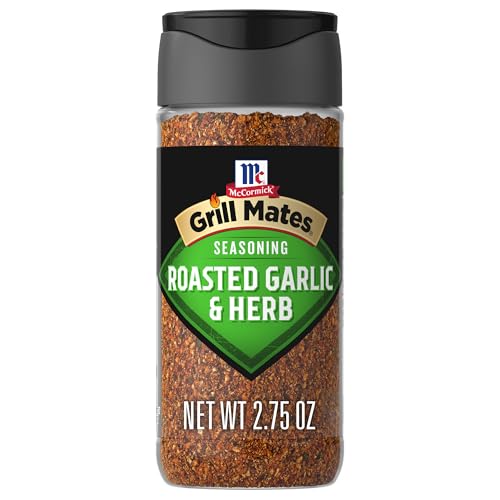
Epic blend of onion, parsley, black pepper, coriander and roasted garlic
The Core Ingredients and Why They Matter

Garlic, butter, and umami-rich sauces are the non-negotiables here, and each one earns its place. The garlic is the headline flavor, and yes, 20 medium cloves per pound of spaghetti is the real amount that sources specify.
It sounds aggressive until you remember that gentle cooking in butter tames the sharpness into something rounded and deep. The butter itself carries fat-soluble garlic compounds across every strand of noodle in a way oil simply doesn’t.
The umami layer comes from a specific trio: oyster sauce, fish sauce, and light soy sauce or shoyu.
These aren’t interchangeable with whatever savory bottle sits in your door. Oyster sauce brings sweetness and body; fish sauce adds fermented depth; soy ties them together.
Skip one and the balance tilts. Parmesan or Pecorino Romano at one ounce finishes with salty, nutty fat that emulsifies the whole thing.
20 medium garlic cloves, minced or smashed in a mortar and pestle
That mortar and pestle note matters more than it seems. Smashed garlic releases different oils than minced, giving the sauce a fuller, less sharp backbone.
If you’re eyeing the bowl and doubting the garlic, trust the process and the butter. The only substitution that truly breaks this dish is pretending the garlic was a typo.
Recommended Products
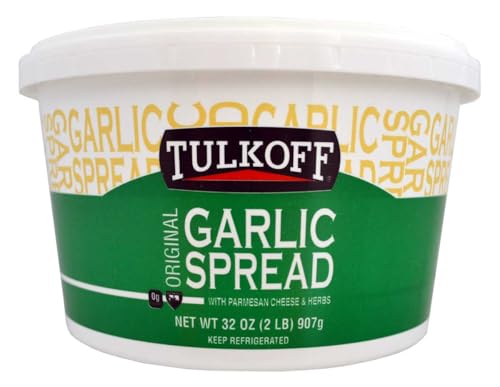
READY-TO-USE GARLIC SPREAD – Convenient and flavorful garlic butter alternative made with real garlic, Parmesan cheese, and spices. Just open, spread, and enjoy!

Garlic Butter Sauce

delicious on steak and pasta
Frequently Asked Questions
Is the amount of garlic correct?
Yes, 20 medium cloves per pound of noodles is standard. Slow cooking in butter tames the sharpness into a rounded, savory depth that drives the whole dish.
What can I serve Vietnamese garlic noodles with?
Grilled fish, crab, or shrimp is the classic pairing from Thanh Long in San Francisco, where the sweetness balances the umami sauce.
Roast pork works too, but keep the glaze simple. The noodles also hold up as a main dish on their own.
Can I use a different noodle than spaghetti?
Chow mein, Shanghai, and lo mein are all common choices.
Shanghai noodles buy you the most wiggle room against overcooking, while chow mein goes from al dente to soggy fast. Refrigerated fresh lo mein has a chew dried versions cannot match.
What can I use in place of oyster sauce?
Hoisin sauce is the closest substitute, though it runs sweeter and loses the seafood depth. Vegetarian oyster sauce, made from mushrooms and soybeans, is another option and easy to find at standard grocery stores or Asian markets.
How do I store leftovers?
Refrigerate in an airtight container for up to five days.
The texture softens, but a quick reheat in a skillet with a small pat of butter brings them back. Freezing is possible but the noodles turn mushy on thawing; skip it unless you have no choice.
What’s the secret to flavorful garlic noodles?
The balance of oyster sauce, soy sauce, fish sauce, brown sugar, and Maggi seasoning.
Maggi in particular pushes the dish from good to compulsive. On the technique side, keeping the garlic soft and translucent, never browned, protects the foundation.
What kind of noodles are garlic noodles?
Long wheat noodles, whether Italian spaghetti or Chinese-style egg noodles like chow mein, lo mein, or Shanghai noodles. The dish was built on spaghetti but works across formats; match your drain and rinse technique to whatever noodle type you pick.
About The Author
