
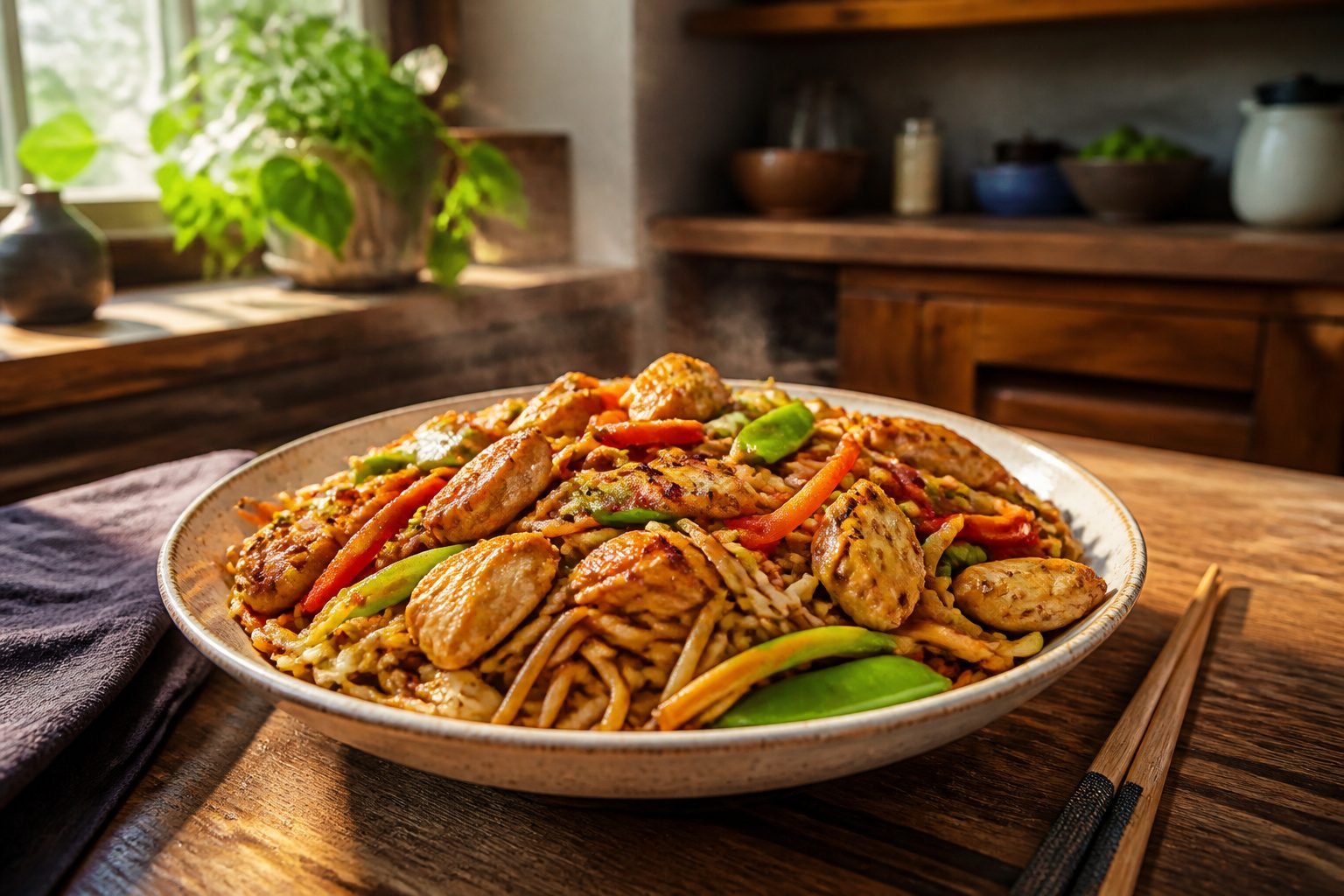
Chicken chow mein at home tastes like takeout only when the noodles pick up actual char before the sauce hits the pan.
This version gets there in 25 minutes by boiling the noodles first, then stir-frying them dry in a ripping-hot skillet until the edges crisp.
The trick most recipes skip: blotting everything, because water on the pan drops the temperature into steaming territory, and steamed chow mein turns soft and gray.
What Chicken Chow Mein Actually Is

Chicken chow mein is the dinner that answers the question of what to cook when the fridge holds odds and ends and the clock says 6:47.
Stir-fried thin egg noodles, chicken cut small, vegetables that soften just enough, and a savory sauce that clings rather than pools: that is the dish, and the whole thing runs 15 to 35 minutes from first cut to plate, which is the difference between a Tuesday night recipe and a weekend project.
The grocery aisle confuses this answer because two packages sit side by side, chow mein and lo mein, and the distinction matters for texture.
Chow mein noodles are thin, and the best versions hit the pan with enough oil and heat to turn a little crisp at the edges before the sauce comes in.
Lo mein noodles are thicker, boiled through, and tossed at the end; they stay soft and separate. I have grabbed the wrong one and ended up with a plate closer to pasta salad than takeout.
The fix is reading the label for thin, and sometimes the word "steamed" on chow mein packages, which just means they are par-cooked and ready for that last high-heat step.
That heat is the other half of it. A wok or a large skillet ripping hot, oil just shy of smoking, ingredients moving constantly so they char in spots rather than stew in their own steam.
The chicken goes in first, then out; vegetables next, quick; noodles and sauce last, everything tossed together until the liquid tightens and the edges of some noodles catch.
The method sounds fast because it is: the 25-minute versions work, the 30-minute versions work, and the difference is usually how long the chicken spends in its marinade while you prep the rest.
Recommended Products

Add a touch of Asian-inspired flavor to your favorite recipes with La Choy Chow Mein Noodles

Add a touch of Asian-inspired flavor to your favorite recipes with La Choy Chow Mein Noodles

Savory Teriyaki Chicken flavor for a delicious and satisfying meal
Ingredients

The protein matters less than most people think: breast or thigh both work, though thigh forgives a slightly longer cook time.
8–12 oz of chow mein noodles is the right amount for a full pan that still tosses easily. Yakisoba or even dry ramen are fine stand-ins if the fresh noodles are missing from your store’s refrigerated case.
- 1 lb chicken breast or thigh, sliced thin
- 8–12 oz chow mein noodles (yakisoba or dry ramen substitute well)
- 2 cups cabbage, thinly sliced
- 1 large carrot, julienned or matchstick cut
- 2 garlic cloves, minced
- 2/3 cup green onions, chopped (about 5)
- 4 Tbsp low-sodium soy sauce
- 1 Tbsp oyster sauce, or more to taste
- 1 1/2 tsp sesame oil
- 1 Tbsp cornstarch
- 1/4 cup chicken broth or water
- 2–3 Tbsp oil for cooking
Bell peppers or bok choy slot in cleanly for the cabbage and carrot if that’s what you have. The sugar some recipes add is optional; I skip it.
Recommended Products
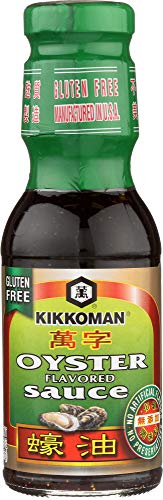
Item Package Length: 5.842cm

AUTHENTIC CARIBBEAN CHINESE FLAVOR Inspired by bold Caribbean Chinese cooking, this savory sauce helps recreate restaurant-style lo mein, chow mein, stir fry and fried rice dishes at home with rich flavor, satisfying depth and a distinctive takeout-style taste the whole family can enjoy.

10 oz organic reduced sodium shoyu soy sauce
Method

Velveting the chicken makes the difference between takeout-tender and home-cook-tough. I marinate sliced breast in soy sauce, Shaoxing wine, cornstarch, and salt for at least 10 minutes; the cornstarch forms a thin shield that keeps moisture in during high heat.
Prep everything before the burner goes on. The cooking moves too fast for chopping between steps.
- Marinate the chicken. Ten minutes minimum with soy sauce, Shaoxing wine, cornstarch, and salt. The cornstarch slurry is what gives that silky bite.
- Boil the noodles. Two to three minutes in a large pot, then drain and rinse cold. This stops the cooking and washes off excess starch so they separate in the wok.
- Stir-fry the chicken. Two to four minutes over medium-high heat in a hot, oiled wok. Sear without moving for the first 30 seconds, then toss until just cooked through. Remove to a plate.
- Add aromatics and vegetables. One to three minutes for cabbage and carrots first, then garlic and ginger until fragrant, about 20 seconds.
- Combine noodles and sauce. One to two minutes. The sauce, whisked from soy sauce, oyster sauce, broth, and cornstarch, thickens as it hits the heat and clings to the noodles.
- Finish with bean sprouts and green onions. Fold in the chicken too; one more minute until the sprouts just soften but keep their crunch.
Recommended Products
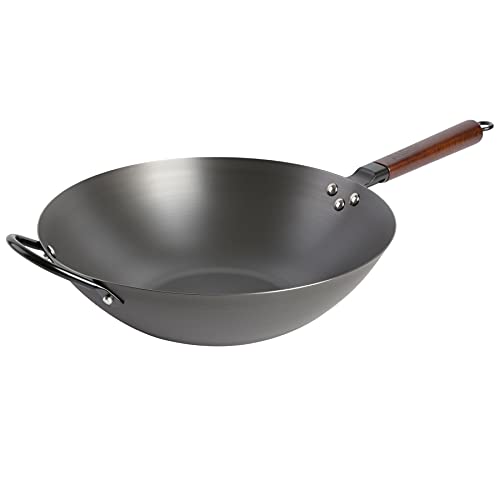
Consumer Reports Top Rated Wok 26': Babish 14 Inch Carbon Steel Wok (6" Flat Bottom)

PRE SEASONED & NONSTICK: Tired of rusty woks? SUMEIGUAN carbon steel wok is pre-cured and engineered with advanced Nitriding technology. This treatment fundamentally transforms the steel, creating a dense, molecular-level shield against rust. The result is a wok with exceptional resistance to rust, scratches, and corrosion—ready to cook right out of the box. Built to last up to 3 times longer than ordinary wok pans, this is the only wok you’ll need in your kitchen.
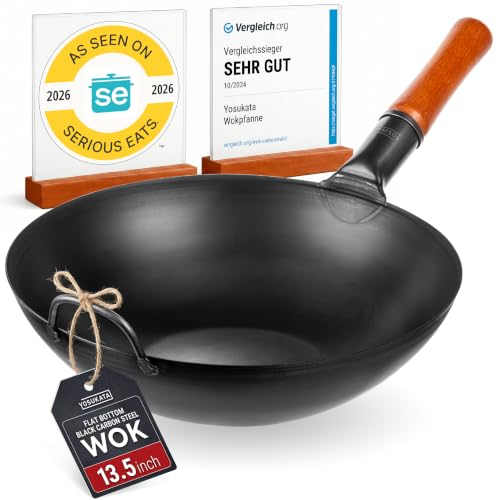
GENUINE TASTE: Bring authentic wok flavor to your kitchen or outdoor cooking with the YOSUKATA 13.5” flat-bottom carbon steel wok. Designed to lock in juices and flavors, this deep wok pan is ideal for preparing Chinese, Japanese, Thai, and other Asian dishes — the perfect fried rice pan for home or professional use
Noodle Types That Work

Fresh chow mein noodles, the Hong Kong style ones, sit behind the counter at some Asian grocery stores, but they can be hard to track down in the U.S. and they carry a lightly sour, greasy note that competes with the sauce.
Dried chow mein noodles work in a pinch, though they are not the same thing as the crispy fried chow mein noodles that come in a can.
Yakisoba is the better pick. Fortune brand at Kroger keeps them in the refrigerated produce section, and they hit the right chew without fighting the seasoning.
Ramen, lo mein, thin wonton noodles, or thin spaghetti all stand in adequately; spaghetti in particular brings a neutral flavor and similar texture, regular or thin.
Package instructions govern the boil, so cook whatever you choose until just al dente, then drain and rinse under cold water.
A light toss with oil afterward keeps the strands from clumping into a single mass before they hit the wok.
Recommended Products

Asian style chow mein stir-fry noodles


Crispy and Delicious Thin Chow Mein Noodles
Sauce and Seasoning

The sauce for chicken chow mein builds its depth from a handful of pantry staples that most home cooks already have.
1/4 cup soy sauce, 1/4 cup oyster sauce, and 1 tablespoon cornstarch form the backbone that most recipes share, with the cornstarch doing the quiet work of thickening so the glaze clings to noodles instead of pooling in the pan.
Some versions add chicken broth to thin the mixture, while others keep it tighter and let the oyster sauce carry more weight.
Oyster sauce brings a sweetness that balances the salt, which matters when you are deciding on soy type.
Low-sodium soy is worth reaching for if the oyster sauce already covers the salt, since the two together can edge toward too sharp without that adjustment.
A teaspoon or two of sesame oil rounds it out with nuttiness, and a pinch of white pepper or a little grated ginger adds heat if you want it.
The color stays lighter than you might expect, a mild brown rather than dark, because oyster sauce does not stain the way straight soy does.
That is the look of the dish in most takeout containers, and it comes from this ratio, not from doubling down on soy alone.
Recommended Products

The information below is per-pack only

Thick restaurant style Chow Mein noodles in Teriyaki Beef Flavor

CRISP & DELICIOUS - Crispy and Delicious Wide & Airy Chow Mein Noodles
Vegetable Swaps

Cabbage, carrots, and bean sprouts are the standard trio, but the pan doesn’t care about tradition.
Bell peppers, bok choy, mushrooms, snap peas, broccoli, water chestnuts, zucchini, snow peas, Chinese broccoli, scallions, celery, ginger, or green onions all work. Cut everything to a similar size so nothing is still raw while something else turns to mush.
A quarter-inch slice on Chinese broccoli stems keeps them in the same one-to-three minute window as the rest. Watery vegetables are the real hazard.
Zucchini and mushrooms release liquid fast, and that pooled moisture will sog the noodles before they ever crisp. If you’re using them, give them a hotter pan or a shorter time, or accept softer results.
You want texture, taste, and color in balance, not a rainbow for its own sake.
Recommended Products

CRISP & DELICIOUS - Crispy and Delicious Thin Gluten Free Chow Mein Noodles, You Wont Believe It's Really GF!

nissin original flavor - nissin premium teriyaki beef flavor chow mein with premium straigt-cut noodles tray.

The next time you crave Chinese food, simply reach in your cupboard for Nissin Teriyaki Vegatable Chow Mein
High-Heat Stir-Fry

The gap between restaurant chow mein and the home-cooked kind usually comes down to heat management, not equipment.
A wok’s curved sides let flames climb high and create massive hot surface area, but most Western burners lack the BTU output to make that geometry work.
A large cast-iron skillet or heavy frying pan actually holds steadier heat on a standard stove.
Dry ingredients, a hot pan, and no crowding are the consolidated rules sources scatter across separate tips. Water on vegetables or noodles hits the metal and cools it instantly, so everything gets blotted or drained well before it touches oil.
One to two tablespoons of peanut or vegetable oil shimmer almost at their smoke point before anything goes in.
The sizzling sound should stay constant; when it drops to a hiss, the pan has cooled into steaming territory and the chicken turns gray instead of seared.
Tossing beats stirring here. A spatula folding ingredients keeps them in contact with the hot surface longer, while stirring lets heat escape with every motion.
Cook the chicken in a single layer, give it about 30 seconds undisturbed per side for color, then a quick 20-second finish before pulling it out at roughly 80 percent done.
The same pan stays hot for aromatics, but garlic and ginger get only about 20 seconds before they burn. Work in batches if the pan goes quiet; crowding drops the temperature and the whole dish slides into steamed territory.
Recommended Products


10 oz organic soy sauce

VERSATILE COOKING ESSENTIAL: Elevate your dishes with Lee Kum Kee Oyster Sauce, perfect for adding rich umami flavor to stir-fries, marinades, and dipping sauces
Yield, Storage, and Reheating

A single batch feeds 4 to 8 people, depending on how hungry the table is and what else is on it.
Leftovers keep well.
Tuck them into an airtight container and refrigerate for 3 to 4 days. The noodles will stiffen in the cold, which is normal.
For reheating, a hot skillet is the better tool. A splash of water or a thin drizzle of oil loosens the sauce and brings the noodles back to something close to their original texture.
The microwave works if speed matters, but the dish turns soft and a little gummy. I skip it when I can.
Nutritional numbers shift based on the exact soy sauce, oil, and noodles used, so I do not list them here.
Recommended Products

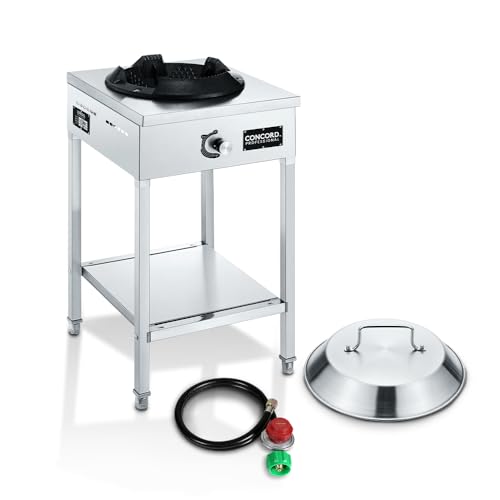
Concord's commercial grade full stainless steel frame wok burner features an enamel coated built in wok mount. Wok sits directly on top which allows for easy tossing and flipping motion when you stir fry.

【Details Description】- The total length of this silicone spatula is 327mm / 12.87-inch, the spatula length is 100mm / 3.94-inch and spatula width is 102mm / 4.02-inch. Silicone spatula set is made of BPA free and food grade silicone. Utoolmart silicone spatulas are flexible and durable enough to avoid damages or scratches on pans, pots or bowls.
Protein Variations

Swapping the protein is straightforward once the marinade and sauce stay put. I keep the same Shaoxing wine, cornstarch, and salt on whatever goes into the pan, and the oyster-sesame base still carries the dish.
Shrimp needs only 1–2 minutes over high heat.
The moment they curl and pink up, they are done; anything longer turns them rubbery. Beef or pork work with the same thin-slice approach as chicken breast, though thigh holds up better if I am cooking ahead and reheating.
Tofu is the one that needs prep first.
Pressing it for twenty minutes or so draws out enough water that the cubes actually sear instead of steaming in their own moisture. Extra-firm is the only style I bother with here; anything softer falls apart in the toss.
Recommended Products

Best Of Thailand Noodles
Frequently Asked Questions
What is the best type of noodle to use for chow mein?
Thin chow mein noodles are the right choice, though yakisoba is the better substitute if fresh chow mein is hard to find.
Fortune brand yakisoba sits in the refrigerated produce section at Kroger and hits the right chew without fighting the seasoning. Dry ramen, thin wonton noodles, or even thin spaghetti all stand in adequately if needed.
Can I use other vegetables in chicken chow mein?
Bell peppers, bok choy, mushrooms, snap peas, broccoli, water chestnuts, zucchini, snow peas, Chinese broccoli, scallions, celery, or ginger all work in place of the standard cabbage, carrots, and bean sprouts.
Cut everything to a similar size so nothing stays raw while something else turns to mush, and watch out for watery vegetables like zucchini and mushrooms that release liquid fast and sog the noodles.
How do I prevent my noodles from sticking together?
Rinse the boiled noodles under cold water to stop cooking and wash off excess starch, then toss them with a little oil before they hit the wok.
Package instructions govern the boil, so cook until just al dente regardless of which noodle type you choose.
What is the secret to good chow mein?
Dry ingredients, a hot pan, and no crowding are the three rules that close the gap between restaurant chow mein and the home-cooked kind.
A large cast-iron skillet or heavy frying pan actually holds steadier heat on a standard Western burner than a wok does, and the sizzling sound should stay constant; when it drops to a hiss, the pan has cooled into steaming territory.
What is Chinese chow mein sauce made of?
The backbone is soy sauce, oyster sauce, and cornstarch, with the cornstarch thickening the glaze so it clings to noodles instead of pooling in the pan.
A teaspoon or two of sesame oil rounds it out with nuttiness, and some versions add chicken broth to thin the mixture while others keep it tighter and let the oyster sauce carry more weight.
How to make chow mein like a Chinese takeaway?
Velvet the chicken by marinating sliced breast in soy sauce, Shaoxing wine, cornstarch, and salt for at least 10 minutes; the cornstarch forms a thin shield that keeps moisture in during high heat.
Prep everything before the burner goes on, since the cooking moves too fast for chopping between steps, and cook the chicken in a single layer with about 30 seconds undisturbed per side for color before a quick finish.
About The Author
