
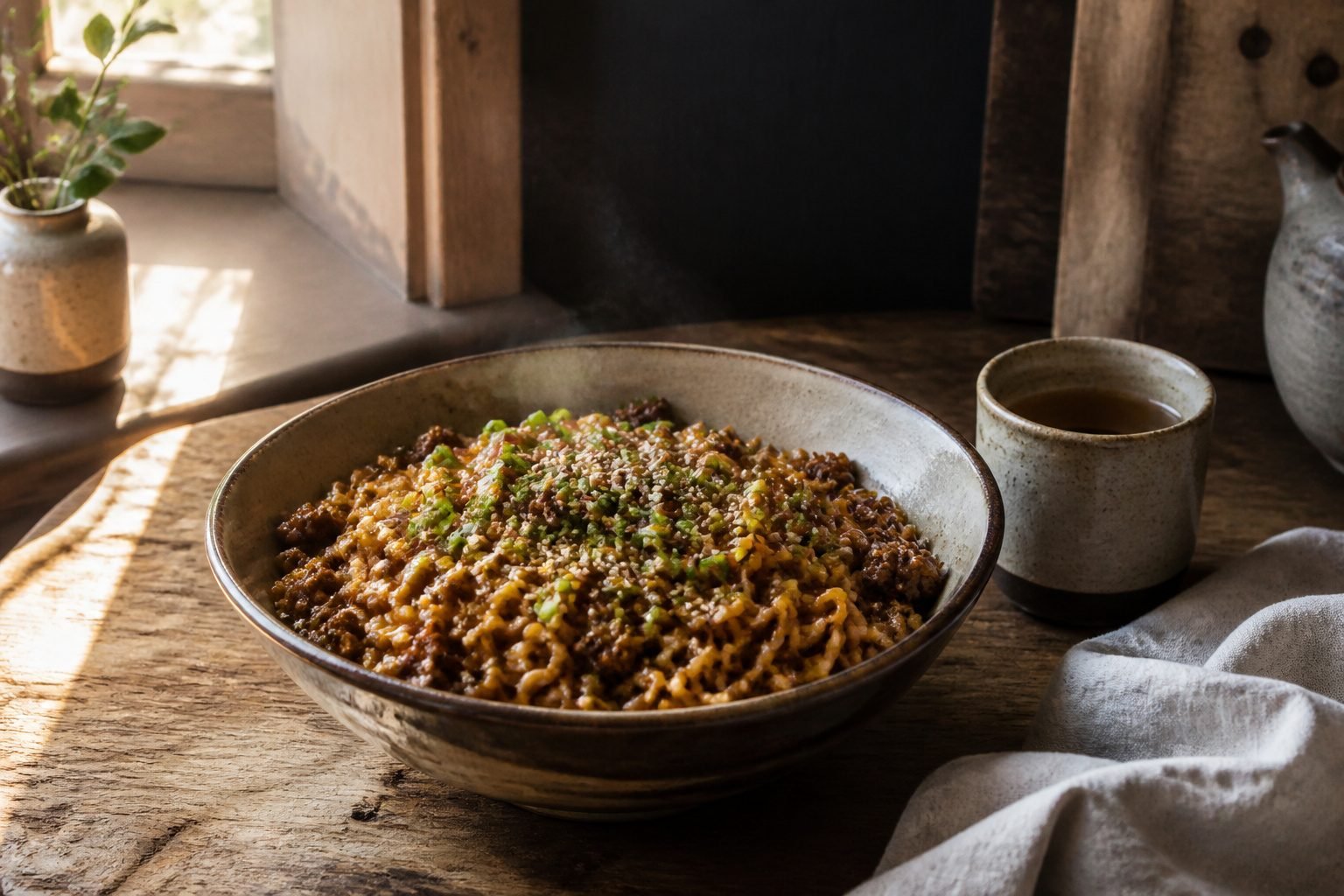
This ground beef ramen lands salty-sweet and glossy in under 25 minutes, and the real difference is the noodles: they go in dry, right in the skillet, no separate pot needed. The only hard part is timing.
Leave the beef untouched long enough to build a crust on the pan bottom, or the whole dish turns flat and gray. The sauce thickens from the ramen starch itself, so a little loose at the end is exactly right.
Ground Beef Ramen

A 20-minute ground beef ramen skillet is the dinner I reach for when the vegetable drawer starts looking like a science experiment.
The base stays the same: one pound of ground beef, a couple packs of instant ramen, soy sauce, and brown sugar for that salty-sweet glaze.
Everything else depends on what needs using. Half a bell pepper, the last carrots, a bag of stir-fry vegetables from the freezer, that wilting cabbage, they all work.
The sauce comes together fast. Some versions lean on just the ramen seasoning packet with beef broth and a little ginger.
Others skip the second packet entirely and build the flavor from soy sauce and brown sugar instead. Both work; the second gives you more control over the salt.
Timing sits anywhere from 15 to 25 minutes depending on how soft you want the vegetables and whether you drain the beef or let the fat carry the flavor.
The noodles go in dry, broken up, and simmer right in the skillet with the broth.
One pan, no colander, no waiting for water to boil. That is the real appeal on a Wednesday night.
Recommended Products
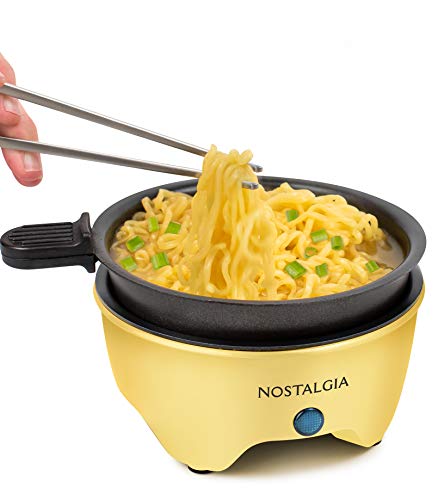
ON THE GO MEALS: Quick and healthier way to cook ramen noodles, pasta, mac and cheese, steamed rice, stir fry, omelets, hard-boiled eggs, pancakes, bacon, sausage, hashbrowns, cookies and cakes - perfect for breakfast, lunch, dinner and dessert.

Classic Chicken Ramen: Savory and comforting Japanese-style instant ramen noodles with a mild chicken flavor, enriched with umami notes and a few hearty vegetables. A simple, satisfying, easy-to-slurp chicken soup

Cooks in 3 minutes
Ingredients

Lean ground beef carries this dish, and 80/20 or 90/10 keeps it from swimming in grease while still staying tender. The rest builds a sticky-sweet sauce and enough chew to call it dinner.
- 1 lb lean ground beef (80/20 or 90/10)
- 3 oz instant ramen, 3–4 packages, flavor packets discarded
- ¼ to ½ cup low-sodium soy sauce
- ¼ to ⅓ cup brown sugar
- 2–5 garlic cloves, minced
- 1 tbsp fresh ginger, grated
- 1–2 cups vegetables: broccoli, carrots, or bell peppers
- 1–2 tbsp sesame oil
- 2–3 tbsp hoisin sauce
- Chili sauce or sriracha, optional
- Green onions and sesame seeds, for garnish
Recommended Products

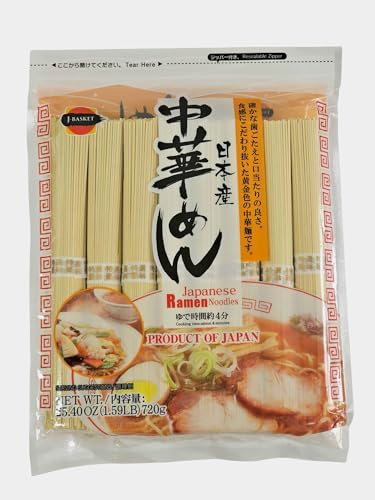
Tokyo Ramen Noodles Chicken Flavor Value Pack
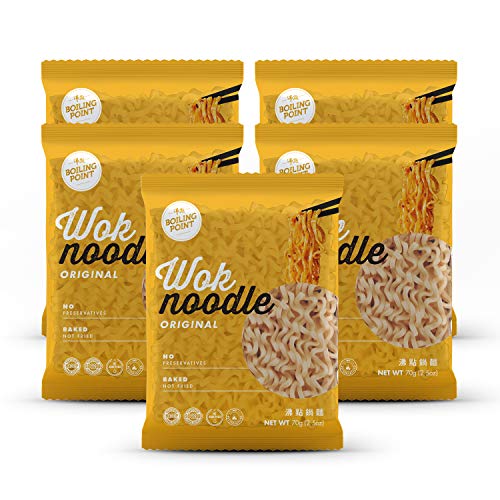
【BP ORIGINAL WOK NOODLE】: An Asian classic comfort food, these noodles are healthy, delicious, and have great texture! Flavorful and colorful. Nutritious meets delicious!
How to Make It

- Whisk soy sauce, brown sugar, hoisin, sesame oil, and chili sauce if you want heat. A fork works fine; no need for a whisk you have to wash separately. The brown sugar may not fully dissolve, and that is okay. It will melt into the skillet later.
- Brown 1 lb ground beef in a large skillet over medium-high heat, breaking it up with a wooden spoon or spatula. Keep going until no pink remains anywhere, about 5 to 7 minutes. I have rushed this step and paid for it with gray, soupy meat. The crust that forms on the bottom of the pan is flavor, not a problem to scrape away immediately.
- Add minced garlic and grated ginger, stirring constantly for about 30 seconds. The moment it smells fragrant, move on. Garlic burns fast at this stage, and bitter garlic ruins the whole pan.
- Toss in your vegetables and stir-fry until they are tender-crisp. I use whatever needs clearing from the produce drawer. Bell peppers, snap peas, and shredded carrots all work. Mushrooms release water and extend the cook time, so add those knowing the tradeoff.
- Nestle dry ramen noodles into the skillet, pour the sauce over them, then add 2 cups water. Cover and simmer 3 to 4 minutes. The noodles will soften and drink up the sauce; check at 3 minutes and add a splash more water if the pan looks dry. The sauce thickens as it stands, so a little loose is better than too tight.
- Uncover, toss everything together, and taste. Adjust with more soy sauce, a pinch of sugar, or a squeeze of lime if you have it. Top with sliced green onions and sesame seeds. Total time runs 15 to 25 minutes depending on how fast your stove heats and whether you prep as you go.
Recommended Products

Bami gluten free ramen seasoning packets only (Beef flavor) ramen powder made for flavorful meals with gluten free, low sodium ramen powder 48 serving


2L Hot Pot Electric - Audecook 8" Electric Pot with High Rim 2.1" is designed for professional multi-cooking purposes. Essential vitamins and nutrients are not lost and keep an intense taste.
One-Skillet Cleanup

A single skillet keeps the evening from sliding into dish-pile territory. I start with a pound of ground beef over medium-high heat and let it sit long enough to build a real brown crust on the pan bottom.
That fond is where the flavor lives, so scrape it up with a flat-edged spoon when the aromatics go in.
Garlic and half an onion soften in the rendered fat for two or three minutes, fragrant and just starting to turn translucent.
Then the vegetables hit. Broccoli florets, bell pepper strips, whatever needs using.
They need a hot, fast sear to keep their bite. The pan looks crowded and a little dry at this stage, which is exactly right.
The sauce goes in next: soy sauce, a little oyster sauce, vinegar, something sweet. Add the water and the uncooked ramen directly, then cover.
The noodles release starch as they soften, and that starch thickens the sauce into something clingy without a separate pot. Stir once or twice as they go from stiff to tender in about three minutes.
The pan goes from brothy to glossy right at the end. One skillet, dinner done, one soak job waiting.
Recommended Products

ON-THE-GO RAMEN REVOLUTION: Embrace the convenience of Top Ramen in its portable, microwavable form - perfect for on-the-go lifestyles and busy schedules

Soy-perior, Umami-rich Ramen: Savory Japanese-style instant ramen noodles in a soy-tisfyingly balanced soy sauce broth. A bold, slurp-worthy classic Eastern flavor that will satisfy your cravings any time of the day.

AUTHENTIC JAPANESE EXPERIENCE: In the proud lineage of Nissin, makers of Top Ramen and Cup Noodles, RAOH Soy Sauce offers a culinary journey reminiscent of Japan's celebrated ramen shops
Swaps and Variations

Ground chicken or turkey works in place of beef, though the skillet will not develop the same fond.
That crust matters more than some sources let on: one of them notes that leaving the beef untouched for three minutes builds the flavor base, and poultry simply will not sear the same way.
You still get dinner, but the sauce tastes lighter.
Soba noodles or rice vermicelli can stand in for ramen, and gluten-free noodles work too. What changes is the cooking liquid: rice vermicelli in particular drinks up sauce faster, so the finished dish reads drier unless you add more broth.
Frozen vegetables go straight from the bag, no thawing, though they shed extra water and need a longer reduction. Fresh still wins on texture, but the gap is narrow enough for a weeknight.
Tamari substitutes one-to-one for soy sauce and brings a deeper, more concentrated salt.
Teriyaki for hoisin shifts the profile sweeter; I would cut any added sugar by half and taste before committing. Plant-based crumbles brown differently and often carry their own seasoning, so hold the salt until the end.
Recommended Products

Includes broccoli florets, Brussels sprouts, broccoli stalk, red cabbage, kale, carrots, snow or snap peas, Teriyaki sauce

One 52.2 oz bag of Birds Eye Asian Style Stir Fry Vegetables
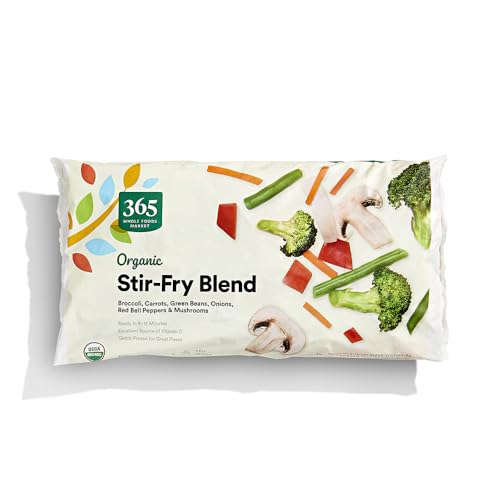
Brought to you by Whole Foods Market
What Not to Do

The flavor packets from the ramen packs go straight in the trash for this one.
They tip the whole dish too salty, and you lose control over what you’re actually tasting. Build the broth with low-sodium soy sauce or tamari instead, so the salt level stays in your hands.
Cooking the noodles separately and then combining them at the end is another move that backfires. By the time they hit the skillet, they’re already done, and they turn mushy while the vegetables finish.
The noodles need to go in raw and pull from the broth directly, coming off the heat just before they’re fully cooked so they hold texture through the last two to three minutes.
Leftovers are a hard no here. Ramen noodles absorb sauce as they sit, and reheating turns them soggy no matter how much liquid you add back.
Serve this right away, or if you must prep ahead, keep the ground beef and broth separate in the fridge and add fresh noodles when you’re ready to warm it through.
On the beef, 90/10 lean ground beef works if that’s what you have, but 80/20 carries more flavor and leaves far less risk of dry meat after browning.
The extra fat renders into the skillet and becomes part of what you’re building, not something to drain away.
Recommended Products

ON-THE-GO RAMEN REVOLUTION: Embrace the convenience of Top Ramen in its portable, microwavable form - perfect for on-the-go lifestyles and busy schedules

PREMIUM QUALITY RAMEN - Experience the deep, savory flavors of traditional Korean Ramen Noodle with every spoonful

ON-THE-GO RAMEN REVOLUTION: Embrace the convenience of Top Ramen in its portable, microwavable form - perfect for on-the-go lifestyles and busy schedules
Storage

Leftovers hold up for 3 days refrigerated, though the noodles soften noticeably as they sit. That chew you get straight from the skillet fades fast, and by day two the texture leans closer to lo mein than ramen.
I skip the microwave entirely for reheating. A dry noodle block needs liquid to loosen, and a splash of water in a hot skillet does the job without turning everything mushy.
Toss over medium-low heat until the sauce turns glossy again and the noodles pick up some bite. It takes maybe three minutes, about the same as microwaving but with a far better result.
Freezing is not worth the trouble.
The noodles turn mealy, the sauce separates, and you end up with something closer to a defrosted casserole than a skillet dinner. Cook what you need and call the small batch a virtue.
Recommended Products


Deep Shin Flavor, Less Heavy: Experience the bold taste of Shin Ramyun Light. With a rich beef-flavored broth and a kick of spice! It delivers a warming and satisfying flavor. The included soup base lets you adjust the spice to match your taste.

Organic Wheat: Our ramen noodles are made from premium, non-GMO organic wheat, ensuring that you enjoy the pure and natural flavors of the grains in every bite.
Frequently Asked Questions
Recommended Products

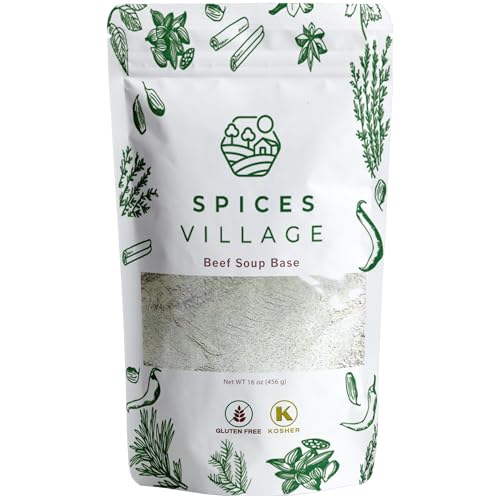
RAMEN SEASONING WITH BEEF FLAVOR : This seasoning blend brings out rich, umami flavor in every spoonful—perfect for homemade ramen, noodle soups, or Asian-inspired meals.

Can I use a different type of noodle?
Soba noodles, rice vermicelli, or gluten-free noodles all work as swaps.
Rice vermicelli drinks up sauce faster, so add extra broth or the finished dish turns out dry. Cooking time and liquid amounts shift with each substitute.
What kind of beef is best for this recipe?
80/20 or 90/10 lean ground beef keeps the dish from swimming in grease while staying tender.
The extra fat in 80/20 builds more fond on the pan bottom and carries more flavor. Poultry substitutes work but will not sear the same way.
Can I prepare this recipe ahead of time?
Serve it right away for the best texture.
If you must prep ahead, store the cooked ground beef and broth separately in the fridge, then add fresh noodles and warm through when ready. Reheating already-cooked noodles turns them soggy no matter how much liquid you add back.
Does ground beef go well in ramen?
Ground beef works fast and builds a savory, salty-sweet base that pairs with the noodles.
The fat renders into the skillet and becomes part of the sauce. Browned ground beef creates fond on the pan that deepens the whole dish.
What can I make with ground beef and ramen?
A one-skillet dinner with soy sauce, brown sugar, garlic, ginger, and whatever vegetables need using.
The noodles go in dry and simmer right in the broth, no separate pot needed. Total time runs 15 to 25 minutes.
What are some common mistakes when making beef ramen?
Using the ramen flavor packets tips the dish too salty; build the broth with low-sodium soy sauce instead.
Cooking noodles separately makes them mushy by the time they hit the skillet; add them dry and let them pull from the broth. Freezing ruins the texture, and reheating in the microwave turns everything soggy.
About The Author
