
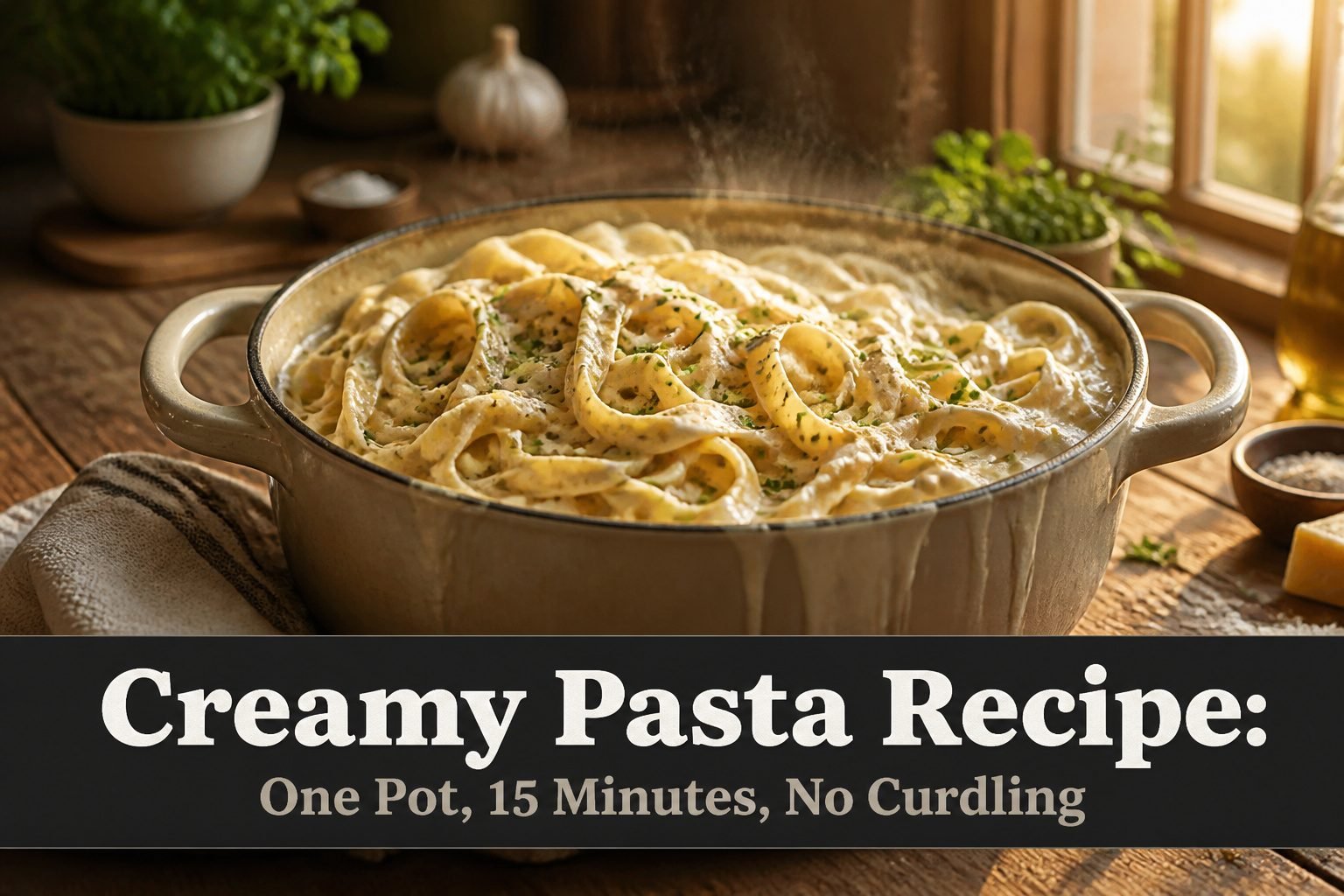
This creamy pasta lands rich and coating, not thin or broken, and it does it in a single pot in 15 minutes.
The real barrier with creamy pasta recipes is the curdle: cream hits too much heat, fat separates, and you get greasy streaks instead of sauce.
This one starts pasta in cold water so the starch releases into the liquid, thickening the cream as it heats and keeping the texture smooth without a second pan or a whisking panic.
What This Is and When to Make It

At Manny’s, creamy pasta means a weeknight rescue that tastes like it took twice the time. Most versions that land on our counter hit the 30-minute mark, and the single-pot ones save the sink from becoming a disaster zone.
This particular recipe belongs in the rotation because it solves the real problem: home from work, kids hungry, no patience for a sink full of dishes.
The 15-minute timing matters here. Other creamy pasta recipes ask you to boil, drain, then build a sauce in a second pan, and suddenly you’re at 30 minutes before the plates hit the table.
This one starts with cold water and pasta in the same pot, which lets the starch do the thickening work so cream and cheese don’t seize or separate.
The no-curdle part comes from that starch slurry forming while everything heats together, not from whisking franticly at the end.
I keep this one taped inside the cabinet now. It has replaced the boxed mac-and-cheese nights without replacing the ease, and that is the bar a weeknight recipe has to clear.
Recommended Products
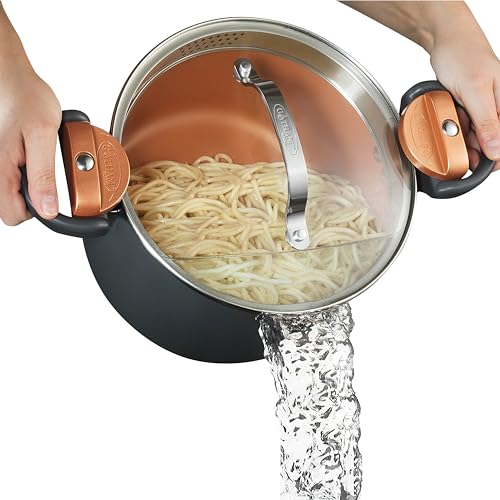
5 QUART PASTA POT WITH STRAINER LID — This nonstick ceramic stock pot cooks and drains spaghetti, penne, soup, rice, and vegetables in one pot, no colander needed. The built-in strainer lid, twist and lock handles, and dishwasher safe design make it the easiest way to cook pasta without the mess.

5 QUART PASTA POT WITH STRAINER LID — This nonstick ceramic stock pot cooks and drains spaghetti, penne, soup, rice, and vegetables in one pot, no colander needed. The built-in strainer lid, twist and lock handles, and dishwasher safe design make it the easiest way to cook pasta without the mess.

Ingredients

Short tubular pasta works best here. Rigatoni or fusilli hold the sauce in their ridges, though rotini or penne from any standard brand will do the job.
- 12 oz short pasta (rigatoni, fusilli, rotini, or penne)
- 1 cup heavy cream (the real stuff, not half-and-half)
- 1 cup broth (chicken, vegetable, or bone broth; the 1:1 ratio with cream keeps the one-pot method from going thin)
- ½ cup freshly grated Parmesan (skip the green can; grab the wedge from the deli case)
- 3–4 garlic cloves, minced
- ¼ cup onion, finely chopped
- 2–3 tsp Italian seasoning
- ½ tsp cracked black pepper
- ½ tsp sea salt
- 5 oz baby spinach (optional; stirs in at the end)
No specialty equipment.
No hunting. Everything above sits on a standard grocery shelf, and the whole list fits in one basket.
Recommended Products

Authentic Italian Pasta: De Cecco Penne Rigate No. 41 is a traditional Italian pasta with a short, diagonal cut, ridged shape. The surface allows the pasta to perfectly capture and hold thick, flavorful sauces

Delicious short spiral shaped pasta

Delicious round disc shaped pasta slightly hollow in the middle
Method

- Warm a large skillet or pot over medium heat, then add butter or olive oil and let it shimmer before tossing in diced onion and minced garlic. Cook until the onion turns soft and translucent, about 3 to 4 minutes, stirring so nothing browns too fast.
- Pour in broth and add the uncooked pasta. Bring everything to a boil, then drop the heat to a steady simmer. Stir every couple of minutes so the pasta cooks evenly and doesn’t clump. Start checking doneness around the 13-minute mark; you want it almost al dente, still with a slight bite at the center, since it will finish in the sauce.
- Once the pasta is nearly there, kill the heat to low. This is the move that keeps the cream from splitting. Slowly pour in the heavy cream, stirring constantly as it goes in. Keep the barest simmer going, nothing more aggressive than a bubble or two at the edge, for 2 to 3 minutes until the sauce thickens slightly.
- If the sauce looks tight or gloppy, splash in a little reserved pasta water or extra broth, a tablespoon at a time, until it loosens to a creamy, flowing coat. Cream sauces tighten as they cool, so aim a little saucier than you think you want.
- Take the pot off the heat entirely. Add very finely grated Parmesan, the kind from a microplane or the star side of a box grater, and stir until it melts smooth. Pre-shredded cheese has additives that resist melting, so skip it. Taste, adjust salt, and serve right away while the sauce is still loose and glossy.
Recommended Products
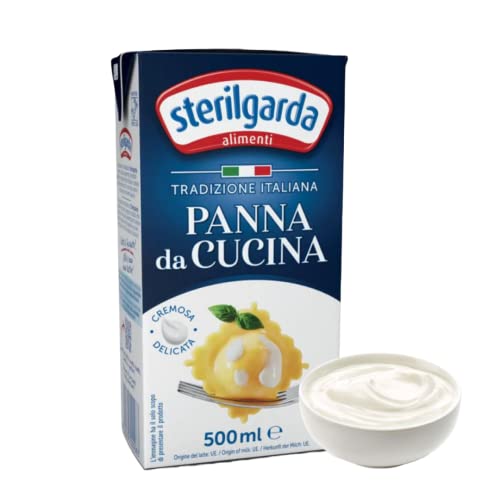
Sterilgarda Italian UHT Cooking Cream 16.9 Fl Oz (500ml) | Pack of 1

Sonoma Gourmet Creamy Tomato Parmesan (25oz Jar (Pack of 2)
Two 16 oz jars of Grated Parmesan Cheese
The Right Pasta for Creamy Sauce

Short tubular pastas like rigatoni and fusilli carry creamy sauce in a way long strands never quite manage.
The ridges and hollows trap thick sauce instead of letting it slide to the bottom of the bowl, so you taste cream and pasta together in every bite rather than alternating between the two.
I learned this the hard way after one too many fettuccine dinners where the sauce pooled underneath while the noodles sat naked on top.
Rigatoni’s wide tubes hold actual pockets of sauce, and fusilli’s corkscrew shape grips even more surface area. Penne works in a pinch, though its narrower tubes capture less than the others.
The real difference comes from finishing the pasta directly in the sauce rather than draining it separately.
That starchy cooking water left in the pot, maybe half a cup scooped out before draining, thickens the cream and gives it something to cling to.
The pasta finishes absorbing liquid as it simmers in the sauce itself, so the two become one coating instead of pasta wearing sauce like a jacket.
Grab rigatoni or fusilli at the store, and the rest of the technique does the work.
Recommended Products

HEALTHY CERAMIC Stock Pot - Made of natural ceramic, free of Intentionally Added PFAS & PTFE, lead, and cadmium, ensuring safety and health. This pot does not produce toxic fumes even when overheated, and no coating will come off into your food

WHAT’S IN THE BOX: a four-piece set that includes a 5 qt pasta pot w/lid, a steamer insert, a strainer insert. Assembled size 11" long x 8.5" wide x 10.5" high and weighing 3.6 lbs.

HEALTHY CERAMIC Stock Pot - Made of natural ceramic, free of Intentionally Added PFAS & PTFE, lead, and cadmium, ensuring safety and health. This pot does not produce toxic fumes even when overheated, and no coating will come off into your food
Cream Without Curdling

The low heat matters more than the cream itself.
Keep the sauce at the gentlest simmer, never a boil, when the cream goes in. That single guardrail prevents the fat from separating into greasy streaks and keeps the texture smooth rather than clotted.
Heavy cream wins over milk here on two counts.
The higher fat content carries flavor in a way lower-fat dairy cannot, and the extra fat buffers the proteins against the shock of heat. Milk curdles faster and thins out; heavy cream stays stable and lush.
A too-thick sauce is easy to fix if you saved the pasta water.
The starchy, salted liquid loosens the sauce without watering it down, and that same starch helps the sauce cling to the noodles later. Broth works in a pinch, though it brings its own flavor.
The finish happens in the pan, not the pot. Drain the pasta a full minute before it’s done, then stir it directly into the sauce to finish cooking.
The pasta releases starch into the liquid, thickening the sauce naturally and binding cream, cheese, and noodle into something cohesive that clings instead of pools.
Recommended Products

No hydrogenated fats or high fructose corn syrup allowed in any food
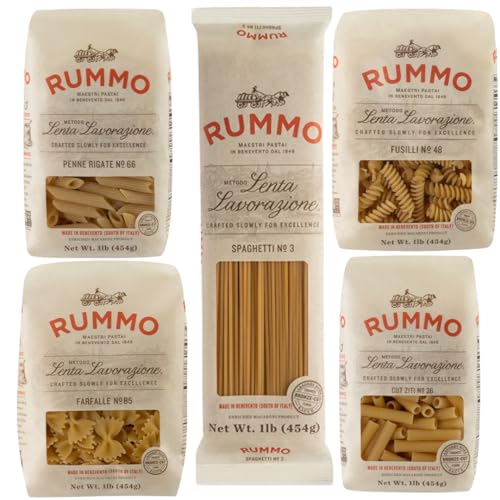
DIVERSE PASTA - Enjoy a variety of pasta shapes with our variety pack, including Spaghetti, Fusilli, and Penne Rigate, Farfalle, Ziti, maintaining the authenticity of Italian pasta

Authentic Italian Pasta: De Cecco Fusilli No. 34 is a traditional Italian pasta with a spring, spiral shape that pairs perfectly with hearty meat-based sauces and flavorful pasta salads
Build It Your Way

Italian sausage brings the most depth, especially if you brown it first so the fond builds in the pot before the liquid ever goes in.
Rotisserie chicken is the easier weeknight move, shredded and stirred in at the end so it stays tender.
Vegetables work best when they match the cooking time, spinach wilts in the last minute, peas need only to warm through, mushrooms should go in with the aromatics so they release their water before the cream hits.
Roasted red pepper from a jar is the fastest route to something that tastes more complex than the effort suggests.
Orzo drinks up sauce differently than a tube pasta like bucatini, it turns almost risotto-like, which some nights is exactly what you want. The sauce base stays the same; what you build into it is where the recipe becomes yours.
Recommended Products

100% Porcini & Premium Quality: Dried porcini mushrooms resist spoilage and boast extended shelf life. Featuring striped, dark brown caps with a light texture and rich mushroom aroma, they come in sturdy brown paper bags—perfect for gifting or family gatherings
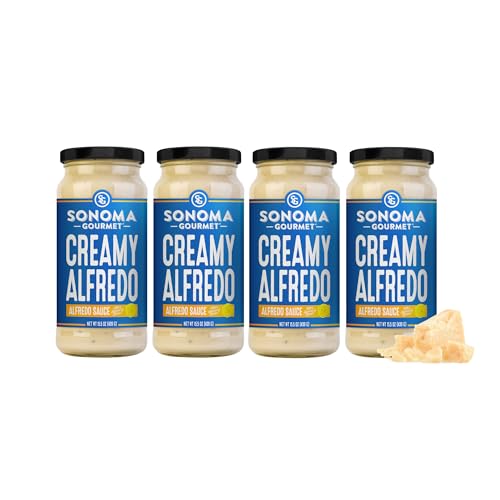
REAL CREAM, REAL CHEESE, NOTHING FAKE — Our Creamy Alfredo is made with fresh cream and aged parmesan the way a chef would make it at home. No seed oils, no eggs, no artificial thickeners. The richness you taste comes from actual dairy — not shortcuts.
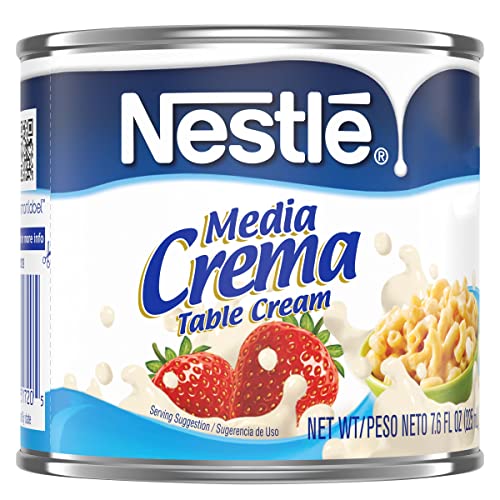
One 7.6 oz can of Nestle Media Crema Table Cream SNAP and EBT Eligible item
Healthier Creamy Bases

Coconut milk stands in for heavy cream more often than you’d think, and it works if you time it right. The fat content is there, but the flavor turns tropical fast.
I reach for it when someone at the table genuinely can’t do dairy, not when I’m just trying to lighten things up, because the sauce ends up tasting like coconut first and whatever else you added second.
Puréed butternut squash or cauliflower take a different route. They build creaminess from fiber and starch instead of fat, which means the texture lands closer to velvety than rich.
Swapping cream for lighter bases costs you something: that coating mouthfeel disappears, and the sauce turns gluey fast if you reduce it too far.
Cauliflower needs more help from garlic or roasted elements to avoid tasting like baby food. Squash brings its own sweetness, which can clash with sharp cheese or pepper.
Heavy cream still wins for weeknight speed.
It emulsifies in seconds, reduces without turning grainy, and tastes like itself rather than a stand-in. The vegetable bases ask for extra steps, roasting or long blending, and the pot needs more attention.
Save them for nights when the extra ten minutes feels possible, or when the pantry is bare and a leftover squash is sitting on the counter.
Recommended Products

Twist & Lock Cooking Pot: Practical and versatile, the Eatex 5 Qt Stock Pot with Lid includes a tempered glass lid with dual strainers in 2 sizes, plus twist & lock handles so you can simply tilt and pour to strain out liquids. This pasta pot with strainer lid combines the benefits of a colander, nonstick cookware and mixing bowl, which adds kitchen space and reduces time spent washing dishes.

PFAS-FREE CERAMIC NONSTICK: Nonstick coating is made without intentionally added PFAS

GOTHAM STEEL MULTIPURPOSE PASTA POT: Great for pasta, spaghettis and anything else that cooks on the stove! Use the strainer or not, this pot is designed for all types of foods and is oven safe & dishwasher safe. The Gotham Steel nonstick coating is composed of ceramic and reinforced with titanium, ensuring this frying pan free of PFOA, PFOS, lead & cadmium for an eco-friendly, healthy experience for your entire family
One-Pot Cleanup

The one-pot method means everything goes in at once and comes out as dinner, which is exactly what a weeknight needs when the alternative is a sink full of pans.
I use 1 cup broth to 1 cup cream as the liquid base, enough to submerge the pasta and leave a little room to bubble.
As the pasta simmers, its starch releases into that liquid and thickens the sauce naturally. No roux, no cornstarch, no second pot to wash.
What you actually have to watch is the bottom of the pot. The cream wants to scorch before it wants to boil, so a medium-low flame and a wooden spoon run along the base every couple minutes keeps things moving.
If the liquid drops too fast before the pasta is tender, splash in another quarter-cup of broth. If it looks too loose when the pasta is almost there, it will tighten in the last minute off the heat.
The difference between a silky sauce and a stuck, burnt layer is attention, not skill, and the whole thing still clocks in at about 15 minutes.
Recommended Products

Product Type:Grocery
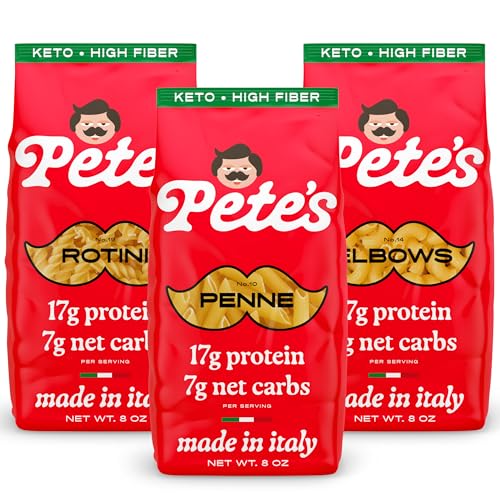
REAL ITALIAN PASTA - Pete’s Pasta 3-pack is a symphony of authentic Italian technique and fork-twisting flavors. Handcrafted from organic durum wheat semolina in the mountains of Majella, Italy, our low carb pasta noodles (7g carb) are slow-dried to perfection to create a tantalizing al dente experience.

PENNE PASTA: The ridges of Penne make it ideal for retaining sauces on the entire surface, inside and out; Stock up with this pack of 8, 16-ounce boxes of penne pasta
Frequently Asked Questions
Recommended Products

Kraft Grated Parmesan,

Product Type:Grocery
How do you make creamy pasta sauce?
Start aromatics in a pot, add uncooked pasta with equal parts broth and cream, then simmer until the starch thickens the liquid into a smooth sauce.
Keep the heat low when the cream goes in so the fat does not separate, and finish with finely grated Parmesan off the heat.
What pasta is best for creamy sauces?
Short tubular shapes like rigatoni and fusilli trap sauce in their ridges and hollows, so you taste cream and pasta together in every bite.
Rigatoni’s wide tubes hold actual pockets of sauce, while fusilli’s corkscrew shape grips even more surface area.
Can you use milk instead of cream?
Milk is not recommended here because it curdles faster under heat and thins out instead of building a lush, stable sauce.
Heavy cream’s higher fat content buffers the proteins against heat shock and carries flavor in a way lower-fat dairy cannot.
How to make a quick creamy pasta?
This recipe clocks in at 15 minutes by skipping the separate boil-and-drain step and cooking the pasta directly in broth and aromatics. The starch released during simmering does the thickening work, so no roux or second pot is needed.
What is the most famous 4-ingredient pasta sauce?
That structure keeps the ingredient list short while still delivering depth.
About The Author
