
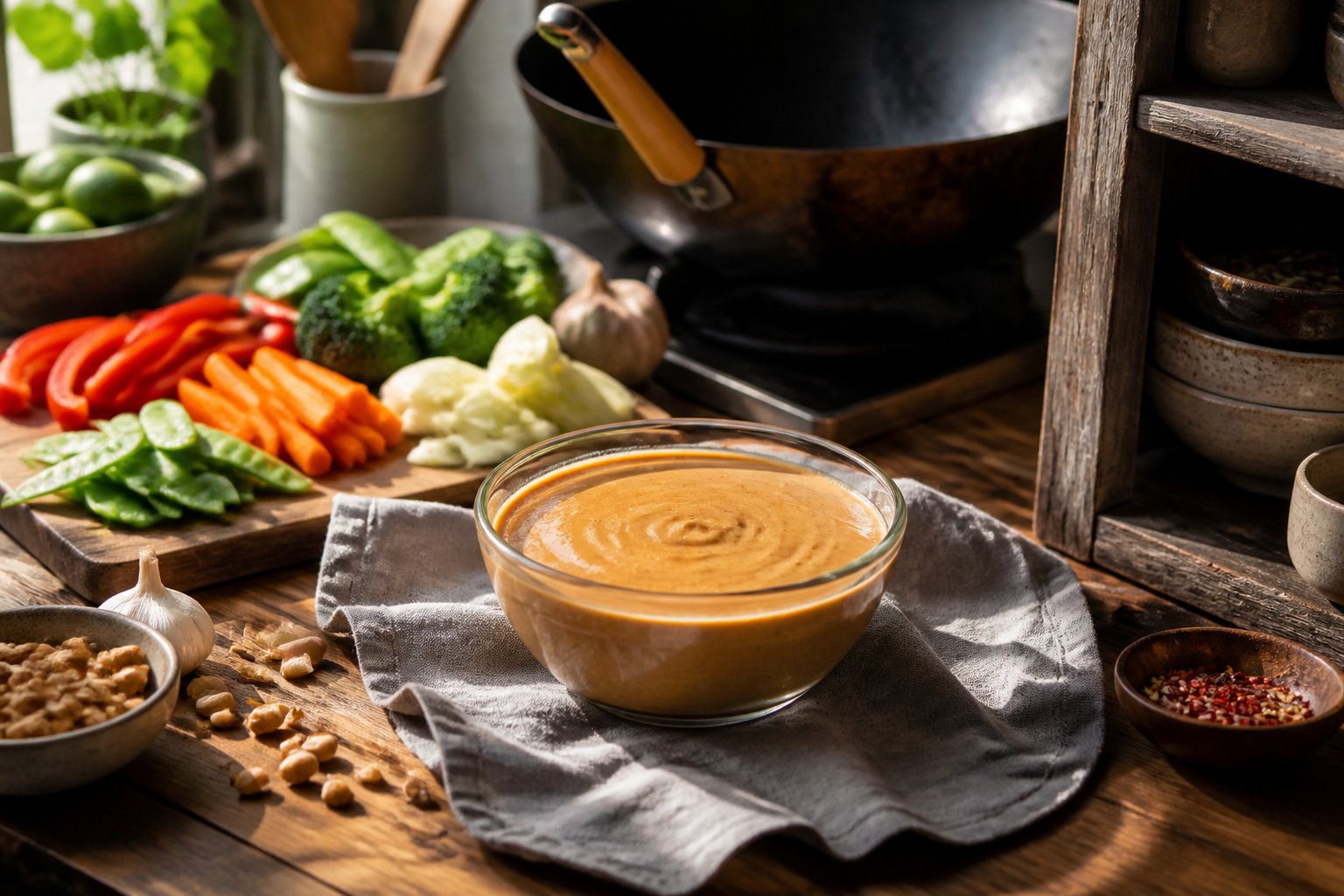
This peanut stir fry sauce lands salty and nutty with just enough sweetness to keep everyone at the table, and it needs zero cooking time.
The blender gives you restaurant-smooth texture in thirty seconds, but a whisk works fine if the peanut butter is soft.
Natural peanut butter without added sugar keeps it from turning cloying, and the whole thing comes together while your water boils or your pan heats.
What This Sauce Is and When I Make It

Last Tuesday the fridge held half a bell pepper and some questionable snap peas. Peanut stir fry sauce turned that into dinner.
Five minutes of stirring and the bowl held something salty, nutty, and just sweet enough to keep everyone at the table.
The sauce works on rice bowls when the grains are already going, on noodles when that’s what the kids grab first, or straight into a hot wok with whatever vegetables are left. No blender required, though one speeds it up.
Everything comes from the regular grocery store: peanut butter, soy sauce, a little rice vinegar, something for heat if you want it.
This Thai peanut sauce is so incredibly easy to make, and it’s the ultimate complement to a veggie and tofu stir fry.
— Mashed
That zero cook time means the sauce comes together while the water boils or the pan heats. One bowl, five minutes, dinner saved.
Recommended Products

Add Adventure to Your Cooking - Bring the tastes of Thailand to your table with our bold Thai peanut sauce. Tangy tamarind with a nutty Thai chili twist, it’ll transport you to the streets of Thailand from the comfort of your kitchen.

Organic peanut sauce

No hydrogenated fats or high fructose corn syrup allowed in any food
Ingredients

Natural peanut butter without added sugar gives the sauce a smoother, less cloying consistency than the sweetened supermarket brands. The oils separate in the jar, but that looser texture blends more cleanly into the final mix.
- 1/2 cup smooth peanut butter
- 3 tablespoons soy sauce
- 1 tablespoon lime juice
- 1 tablespoon coconut sugar or brown sugar
- 1 teaspoon sesame oil
- 1/4 teaspoon garlic powder
- 2 tablespoons Thai sweet chili sauce, or 1 tablespoon sriracha for sharper heat
- 1/4 cup light coconut milk or water, to thin
The sweet chili sauce rounds out the heat with a little sugar and garlic already built in. Sriracha works if that is what sits in the fridge door, though the sauce ends up thinner and more one-note.
Coconut milk adds body that plain water does not, but either keeps the blender from seizing up on the peanut butter.
Recommended Products


Made with dry roasted peanuts and sea salt

NO SUGAR ADDED, CLASSIC SKIPPY PEANUT BUTTER TASTE: SKIPPY No Sugar Added Creamy Peanut Butter delivers the smooth roasted peanut flavor families love, now with no added sugar. It’s a satisfying choice for shoppers who want a familiar SKIPPY peanut butter taste without added sugar.
How to Make It

- Add peanut butter, soy sauce, lime juice, sugar, sesame oil, garlic powder, and chili sauce to a bowl or blender. A whisk works fine if the peanut butter is soft; the blender wins for silky, restaurant-smooth texture in about 30 seconds.
- Blend or whisk until completely smooth. The oils emulsify fast, and a few extra seconds pays off in gloss.
- Thin with coconut milk or water, a tablespoon at a time, until the sauce pours easily. Noodles need it looser than dipping sauce.
- Taste and adjust. More lime for brightness, more sugar to balance heat, more chili if you want it sharper.
- Use immediately or transfer to a jar with a tight lid. The sauce keeps for up to 1 week refrigerated. If it tightens up in the cold, 10–15 seconds in the microwave brings back that drizzly texture.
Recommended Products

Product Type:Grocery

PowerMedley gift set includes: 2 of S&B chili oil w/ Crunchy garlic 3.9 oz

A Traditional Touch: Sesame oil has long been giving its characteristic flavor to traditional Asian food. Discover the complex and award winning flavor of our Toasted Sesame Oil for a distinct flavor in stir-fry, fried rice, noodles or marinades
Yield and Storage

This recipe makes about 1 cup of sauce, enough for two generous dinners or several dipping sessions. I keep mine in a sealed jar in the refrigerator, where it holds up for up to one week.
The oils settle as it sits, so a quick shake or stir brings it back together.
Cold storage changes the texture. The sauce thickens noticeably in the fridge, and straight from the jar it clings more than it pours.
A splash of warm water loosens it, or ten to fifteen seconds in the microwave returns that silky, drizzly consistency. I prefer the water method for cold noodle salads and the microwave when I’m tossing something hot in the pan.
Freezing is where this one falls short. The emulsion breaks as it thaws, and the peanut butter separates in a way that whisking or re-blending never fully fixes.
The flavor stays, but the texture turns grainy and sad. For a sauce this quick to make, fresh batches beat freezer stock every time.
Recommended Products

HEALTHIER LIFESTYLE: The original nutribullet has everything you need to take that first step toward a healthier lifestyle

Warrior Blend: Our organic vegan protein powder chocolate peanut butter is packed with muscle-nourishing amino acids and energizing medium chain triglycerides in an easy to digest creamy blend

THE ORIGINAL BLEND AND GO PERSONAL BLENDER: This small smoothie blender blends fruit smoothies, shakes and your favorite icy drinks right in the 14 oz. BPA-free travel jar. The personal blender jar comes with a travel lid to double as a to-go cup. It's lightweight and fits most car cup holders.
Substitutions and Dietary Adjustments

Almond butter or cashew butter slides in neatly if peanuts are off the table, and sunflower seed butter covers the nut-free households without changing the method at all.
The flavor shifts slightly, earthier with sunflower, a little sweeter with cashew, but the balance of salt and tang still reads as the same sauce.
For gluten-free soy sauce, tamari is the direct swap and keeps the salt level right where it belongs.
Coconut sugar works as regular brown sugar or honey, and if coconut milk is not in the pantry, water or vegetable broth thins the sauce without losing body.
Heat is flexible: sriracha, red pepper flakes, or nothing at all for a no-heat version that still carries the ginger and garlic forward.
Recommended Products

One 12 ounce bottle of Thai Style Sweet Chili Sauce
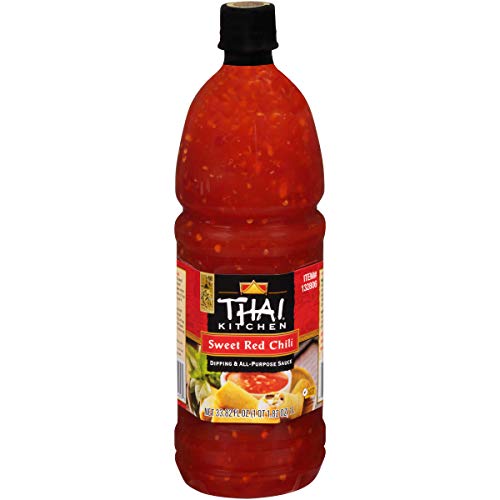
AUTHENTIC THAI TASTE: Thai Kitchen Sweet Red Chili Sauce brings an authentic flavor and freshness to create a sweet and savory sauce with mildly spicy notes of chili peppers for a complex taste
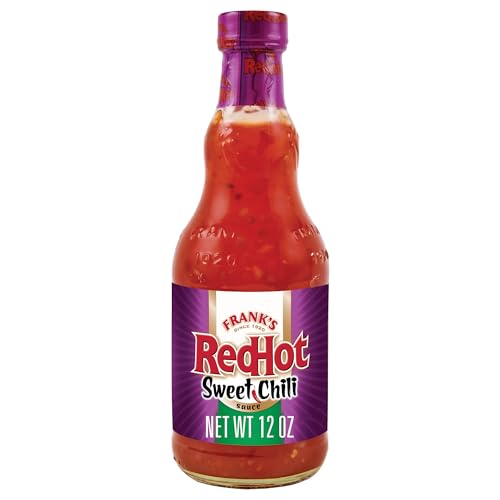
Zesty fusion sauce made with fresh chilies
Ways to Use It

Hot noodles and vegetables are the move on the busiest nights. Toss the sauce with soba, ramen, or rice noodles while they’re still warm, add whatever vegetables you have, and dinner is on the table in about ten minutes.
Cold rice bowls work just as well for lunch the next day; drizzle it over rice, vegetables, herbs, and your protein of choice.
The sauce doubles as a dip for spring rolls or raw vegetables, and thinned with a little warm water or lime juice it becomes a salad dressing that clings to crunchy greens.
For a proper meal, chicken stir fry with bell pepper and broccoli takes about fifteen minutes, or use tempeh for a vegan protein that browns nicely in a small fry pan with a tablespoon of olive oil.
Two cups cooked rice is enough base for four servings.
My favorite weeknight combination came together on a Thursday when I had nothing planned: tempeh fried until browned, onion and bell pepper stir-fried for ten minutes with ginger and garlic, then bamboo shoots and the peanut sauce added until it thickened.
The sauce coated everything, and the leftover rice from Tuesday carried it. Chopped peanuts on top made it feel intentional, which it almost wasn’t.
Recommended Products

Flavors of peanuts, coconut milk and spices

AUTHENTIC THAI-STYLE PEANUT SAUCE MIX: Crafted with ground peanuts and a balanced blend of Thai spices for a creamy, nutty, and mildly sweet flavor that captures the essence of Thai cuisine.
Frequently Asked Questions
Recommended Products

One 26.5 oz. jar of SKIPPY Natural Creamy Peanut Butter spread; four simple ingredients with a sweet and savory peanut flavor; just seven grams of protein and zero grams trans-fat per serving

200 calories per serving

Organic unsweetened peanut butter
How do I make peanut stir fry sauce?
Combine 1/2 cup smooth peanut butter, 3 tablespoons soy sauce, 1 tablespoon lime juice, 1 tablespoon coconut sugar or brown sugar, 1 teaspoon sesame oil, 1/4 teaspoon garlic powder, and 2 tablespoons Thai sweet chili sauce in a bowl or blender.
Whisk or blend until completely smooth, then thin with coconut milk or water a tablespoon at a time until the sauce pours easily.
Can I make peanut stir fry sauce ahead of time?
Yes, the sauce keeps for up to one week refrigerated in a jar with a tight lid.
It thickens in the cold, so add a splash of warm water or microwave it for 10–15 seconds to bring back that drizzly texture before using.
What can I use instead of peanut butter?
Almond butter, cashew butter, or sunflower seed butter all work as direct substitutes. Sunflower seed butter is the choice for nut-free households, though the flavor shifts slightly earthier.
The method and balance of salt and tang stay the same.
What are the 5 ingredients in peanut sauce?
This recipe uses more than five, but the core five are peanut butter, soy sauce, lime juice, sesame oil, and a sweetener like coconut sugar or brown sugar.
Garlic powder and chili sauce round out the flavor, and coconut milk or water thins the consistency.
What are the ingredients in 4-ingredient peanut sauce?
A stripped-down version could use just peanut butter, soy sauce, lime juice, and a splash of water. This recipe builds on that base with sesame oil for depth, garlic powder for savoriness, sugar for balance, and chili sauce for heat.
How do I make peanut sauce with 3 ingredients?
The absolute minimum is peanut butter, soy sauce, and something acidic like lime juice or rice vinegar. This recipe adds a few more elements for better balance, but those three will emulsify into a workable sauce with enough whisking.
How can I make a quick peanut sauce?
This peanut stir fry sauce takes about five minutes start to finish. Dump everything into one bowl, whisk until smooth, and thin to your liking.
A blender cuts the time to roughly 30 seconds for a silkier result.
About The Author
