
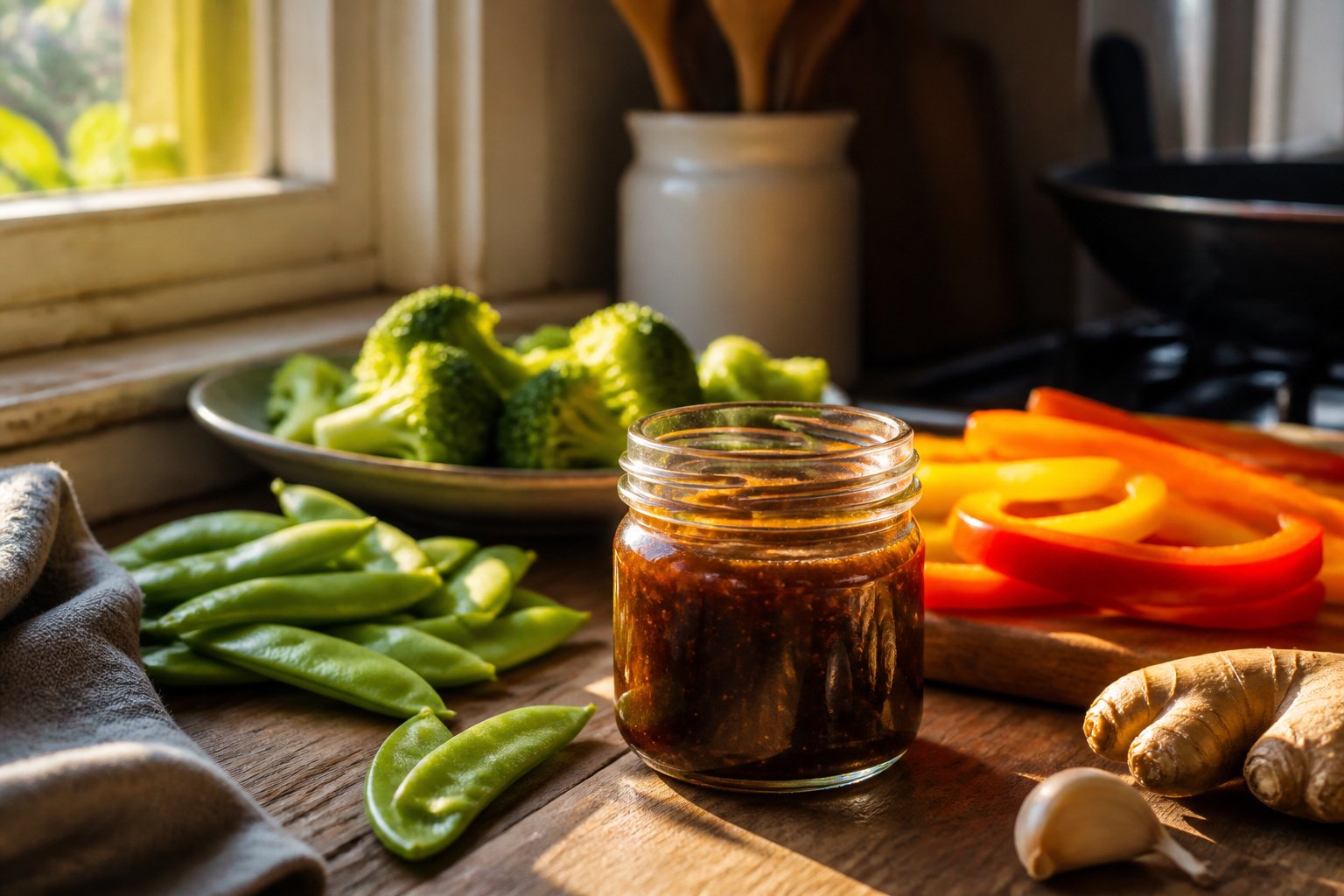
This gluten free stir fry sauce recipe tastes sharp and savory, not syrupy, and comes together in 5 minutes with no heat required.
The difference is the jar in your fridge door: tamari, rice vinegar, garlic, ginger, and cornstarch, ready when you are. It costs less than store-bought gluten-free brands and keeps for two weeks.
The thing that trips people up is trusting bottled labels; one missed wheat ingredient taught me that lesson fast.
The Gluten-Free Stir Fry Sauce I Keep on Hand

A 5-ingredient stir fry sauce that lives in a jar in the door of my fridge has saved more weeknights than I can count.
The base comes together in about 5 minutes flat with tamari, rice vinegar, garlic, ginger, and a little cornstarch whisked in at the end. No heat needed unless I want it thickened right then.
The habit started the night I grabbed a store-bought bottle without reading the fine print and dumped it over chicken and snap peas. Mid-bite, my daughter checked the label.
Wheat. That bottle went in the trash, and this one took its place.
Homemade keeps fresh in the fridge for around 2 weeks, costs less than the gluten-free brands, and tastes sharper, less syrupy.
What I reach for changes with the season. Sometimes coconut aminos cuts the tamari for a lighter sweetness; other nights I want the full salt.
The jar means I decide at the stove, not the grocery aisle.
Recommended Products

Brewed in the USA and made with non-GMO soybeans.

Kikkoman Preservative-Free Gluten-Free Tamari Soy Sauce has all the rich, savory taste and umami of our regular Kikkoman Tamari Soy Sauce without the gluten

AN UMAMI-RICH TASTE: Made with 100% soy and no wheat, San-J Tamari Soy Sauce has a richer, bolder, more complex taste and more umami than typical soy sauce
What Goes In

Tamari is the workhorse here, and 3/4 cup of it builds the salty backbone without any gluten. Rice vinegar balances that at 1/4 cup, and 2 tablespoons of brown sugar rounds the edges.
For aromatics, 2 cloves of fresh garlic or 1 teaspoon of powder, plus 1 teaspoon of fresh ginger or 1/2 teaspoon of powder, gives you the choice between bright heat and pantry convenience.
If you want body, stir 1 teaspoon cornstarch into 2 teaspoons water and add it to the simmer; the sauce tightens in about 3 minutes.
Sometimes I finish with a few drops of sesame oil, sometimes I don’t, depending on whether the vegetables already carry that flavor.
Two ways to handle the soy sauce base:
- 3/4 cup tamari keeps things straightforward and gluten-free
- Swap in coconut aminos for a milder, slightly sweeter profile, or split the difference with 2 tablespoons tamari and 1/2 cup coconut aminos if you want depth without full salt intensity
Recommended Products

Genuine Brewed Rice Vinegar: With depth and richness, this vinegar heightens the flavor of any recipe. Its delicate acidity is versatile and excellent as an addition to Japanese, Chinese, European and American dishes
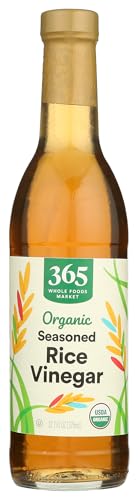
Organic seasoned rice vinegar

Black rice vinegar ingredients: water, glutinous rice, wheat bran, rice, sugar, salt, wheat. Contains: Wheat.
Make the Sauce

- Whisk tamari, rice vinegar, garlic, ginger, and brown sugar in a bowl until the sugar dissolves and nothing gritty remains on the bottom.
- If you want the sauce to cling to vegetables instead of pooling in the pan, stir cornstarch into cold water in a separate dish until it turns cloudy white, then whisk that slurry into the bowl.
- Pour everything into a small saucepan and set it over medium heat. In about 2 to 3 minutes it will start to bubble gently; keep it there until it coats the back of a spoon and leaves a clean line when you drag your finger through.
- Pull the pan off the heat and stir in sesame oil if you are using it; the residual heat is enough to bloom the flavor without driving off the aroma.
- Let the sauce cool to room temperature before you lid it and refrigerate. The whole process takes maybe 4 to 5 minutes of actual work.
Recommended Products

Product Type:Grocery

Ancient Traditions, Extraordinary Flavors. At Yamasa, we have been brewing artisanal shoyu (Japanese soy sauce) for four centuries.

Authentic Japanese Brewing: Crafted by the Deguchi family on Japan’s Chita Peninsula, using traditional methods in cedar kegs passed down through generations, preserving a rich heritage of flavor.
How Much It Makes and How I Store It

One batch yields about 1 cup of finished sauce, which covers roughly four stir-fries for two people at my house.
I pour it into a pint jar with a tight lid and keep it in the refrigerator, where it holds up well for up to two weeks.
The cold does change the texture. Cornstarch keeps thickening as it chills, so the sauce sets into something closer to a loose pudding than a pourable liquid.
That is normal, not a sign it went wrong.
A quick shake of the jar loosens it most of the way; if any starch has settled stubbornly on the bottom, thirty seconds with a whisk brings it back to a smooth, even consistency before it hits the pan.
Recommended Products

BRAGG COCONUT LIQUID AMINOS: A soy-free teriyaki sauce alternative made with organic coconut blossom nectar, Bragg apple cider vinegar, and Balinese sea salt for a slightly sweet, savory umami flavor

SOY SAUCE REPLACEMENT: If you love soy sauce but not its high sodium content, this sauce is for you. It's gluten-free and paleo-friendly, and it contains less sodium than traditional soy sauce.

A tangy, irresistible sauce that adds a distinct sweet n' Sour Asian flair to your meal, Primal Kitchen no soy teriyaki sauce is an Uncompromisingly delicious condiment to savor every bite
The Base I Switch Between

Tamari sits closer to soy sauce in both salt and depth, which makes it the one I grab first when a recipe calls for the familiar umami punch.
The flavor is fermented and rounded, not thin or one-note, and it carries enough body that the sauce doesn’t taste like it’s missing something when wheat is out of the picture.
Coconut aminos runs noticeably sweeter and carries about half the sodium. I keep a bottle around for my sister, who watches her blood sugar and needs to dodge the sharper salt hit.
The swap works, but you will taste the difference: the finished sauce leans milder and the sweetness can edge out the savory if you do not pull back on any added sugar elsewhere.
Both bottles are gluten-free, so the choice comes down to whose bowl you’re filling and what their body needs that night.
Recommended Products

No hydrogenated fats or high fructose corn syrup allowed in any food

Crafted to perfection, this seasoning mix brings together soy sauce, ginger, garlic, and spices in a delightful symphony of flavors that enhance any stir-fry dish.

Includes one 11.5 oz bottle of HOUSE OF TSANG Classic Stir-Fry Sauce to make your next meal extra delicious and flavorful
Fresh or Powdered Aromatics

Fresh garlic and ginger give the brightest heat to a stir fry sauce, but powdered aromatics work fine when time is what you do not have. I keep both in my kitchen and decide at the last minute.
Fresh cloves get minced when they sit firm and white on the cutting board, which takes roughly thirty seconds with a knife I already have out.
Powdered garlic and ginger go straight into the cold sauce; they need no heat to soften their edges.
The measurements differ. A quarter teaspoon of powder replaces a single clove, and powdered ginger is even more concentrated, so start small and taste.
Fresh aromatics benefit from that brief sizzle in hot oil before the sauce hits the pan. That thirty seconds of contact mellows the raw bite and lets the fat carry the flavor across the whole dish.
Powder already sits suspended in liquid, so it blends evenly without that step. Either way, the sauce comes together.
Sprouting cloves or a toddler on my hip just means I reach for the jars instead.
Recommended Products

Gluten-Free – Delivers the same rich, savory, and full-bodied taste as traditional premium soy sauce, carefully crafted to suit gluten-free dietary needs without compromise.

AN UMAMI-RICH TASTE: Made with 100% soy and no wheat, San-J Tamari Soy Sauce has a richer, bolder, more complex taste and more umami than typical soy sauce

A FULL TASTE WITH 50% LESS SODIUM: Organic Tamari Lite 50% Less Sodium Gluten Free Soy Sauce helps you and your family reduce salt intake while enjoying the full, enhanced flavor of homemade meals so you can experience all the mouthwatering ways that soysauce’s distinct taste is used for dipping, marinating, and glazing
Sweetness and Heat Options

Brown sugar gives the sauce its familiar caramel depth, but coconut sugar works if that is what you keep in the pantry.
The flavor shifts slightly, more molasses and less round sweetness, and the color comes out darker than you might expect.
I use less brown sugar when the vegetables themselves are sweet, like snap peas or carrots in spring, because the sauce should balance the plate, not compete with it.
For a quick heat-sweet layer, two tablespoons of sweet chili sauce stirred in at the end does the work of both sugar and sriracha.
It thickens the sauce slightly too, so you may want to pull back on the cornstarch by half a teaspoon.
The result is less sharp than adding raw chili, and the sugar in the bottle helps the glaze set faster in a hot pan.
Recommended Products

Authentic Flavor Naturally aged 3 years via traditional brewing, this black rice vinegar develop a deep, rich flavor and a inky black color. It delivers a well-balanced taste of tanginess, subtle sweetness and aromatic depth, capturing the genuine character of premium Chinkiang and Zhenjiang vinegars.
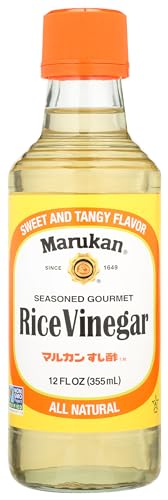
The package length of the product is 9.5 inches

Well-balanced acidity that's excellent to use in all kinds of cuisines
What I Cook With It

Shrimp and vegetables are the pairing I reach for most often with this sauce, though chicken thighs work just as well when I want something heartier. Tofu steps in on the nights I am avoiding meat.
The sauce goes in at the very end of cooking, after the protein and vegetables are already cooked through. Wait too long and the cornstarch over-thickens in the hot wok, turning glossy into gluey.
One to two minutes of tossing is all it needs to coat everything and come up to temperature. I serve it over rice most of the time, or rice noodles when I want something lighter.
A scattering of green onions and sesame seeds on top finishes the plate.
Recommended Products

GLUTEN FREE SZECHUAN SAUCE - San J Szechuan Sauce includes a blend of spices, ginger, plum, sesame & our gluten-free Tamari Soy Sauce, infusing plenty of heat and flavor

Item Package Length: 9.144cm

When I Skip the Thickener

Some nights the vegetables matter more than the sauce, and skipping the cornstarch slurry keeps them crisp instead of slick.
Without it the sauce stays thin, bright, loose enough to use as a marinade or a finishing drizzle rather than a glaze that coats everything.
I reach for this version when I am eating with lettuce cups instead of rice, or when I want the pan to stay cleaner through the whole cook. The flavor does not change; only the body does.
The same balance of tamari, vinegar, garlic, and ginger still does the work, just without the final step of stirring a slurry in at the end.
Recommended Products

Bragg liquid aminos

GREAT TASTING SOY SAUCE ALTERNATIVE - Coconut Secret Coconut Aminos is a delicious seasoning alternative that you can use exactly like soy sauce in salad dressing, marinades, sautés or to sprinkle on sushi. It is made with coconut tree sap and not coconuts, so it does not have a coconutty flavor
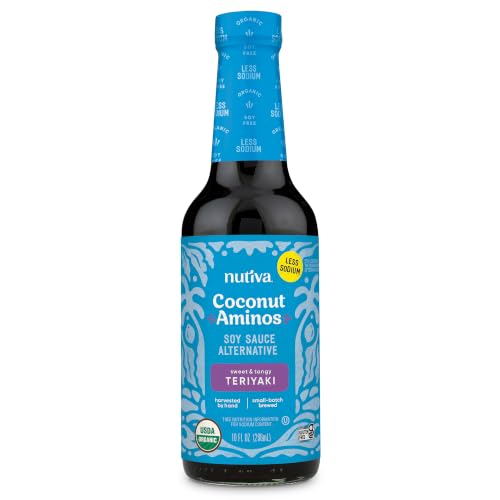
GREAT TASTING SOY FREE ALTERNATIVE - Coconut Secret Coconut Aminos Teriyaki Sauce is a new innovation in healthy Asian cuisine. Its created by blending our Original Coconut Aminos sauce with aromatic spices to create an exceptional seasoning and stir-fry sauce. It is great brushed over fish, chicken, meat and veggies, or in sautés and marinades
Substitutions I Have Tried

Lemon juice works in place of rice vinegar when the bottle runs dry, though the difference is real. Where rice vinegar pulls sweetness and acid into balance, lemon juice leans hard on bright.
The sauce wakes up, but it can edge toward sharp if you are heavy-handed. Start with the same measured amount, then taste and pull back if the citrus starts shouting.
A splash of vegetable broth or plain water stretches the batch when extra mouths show up at the table. The flavor thins predictably; you are trading intensity for coverage, and that is fine for a Tuesday.
I would not do this for a sauce I planned to reduce thick, since diluting already means more liquid to cook off. Better to add it at the end, off the heat, and call it a lighter coat.
Recommended Products


A blend of Kikkoman soy sauce, sesame oil, garlic, oyster sauce, and Asian seasonings

The information below is per-pack only
Frequently Asked Questions
How do I make gluten-free stir fry sauce?
Whisk together 3/4 cup tamari, 1/4 cup rice vinegar, 2 tablespoons brown sugar, 2 cloves minced garlic, and 1 teaspoon fresh ginger until the sugar dissolves.
If you want a thicker glaze, stir 1 teaspoon cornstarch into 2 teaspoons cold water and whisk that slurry in, then simmer everything for 2 to 3 minutes until it coats the back of a spoon.
The whole process takes about 5 minutes and needs no heat if you are keeping it thin.
Can I store stir fry sauce?
Yes, the sauce keeps in a pint jar with a tight lid in the refrigerator for up to two weeks.
The cold will thicken it to a loose pudding consistency, which is normal; shake the jar or whisk it briefly to loosen before using.
Let it cool to room temperature before you refrigerate it so condensation does not water down the flavor.
What can I use instead of soy sauce?
Tamari is the direct gluten-free substitute, giving the same salty depth and fermented umami as soy sauce without any wheat.
Coconut aminos works too, though it runs sweeter and carries about half the sodium; for a middle path, try 2 tablespoons tamari plus 1/2 cup coconut aminos.
Both bottles are gluten-free, so the choice depends on whether you want sharp salt or milder sweetness.
What is a 3-ingredient stir fry sauce?
A stripped-down version could be tamari, rice vinegar, and brown sugar alone, skipping the aromatics and thickener.
What are some good gluten-free stir fry sauces to buy?
If you do shop the aisle, read labels carefully for wheat or malt vinegar, since the author learned that lesson the hard way after buying a bottle that contained wheat.
How to make a quick stir fry sauce?
The fastest route is the no-heat method: whisk tamari, rice vinegar, brown sugar, garlic, and ginger in a bowl until smooth, then pour straight into a hot pan of cooked vegetables and protein at the very end.
If you want thickness, the slurry and simmer add only 2 to 3 minutes, so even the cooked version takes under 10 minutes from start to finish.
About The Author
