
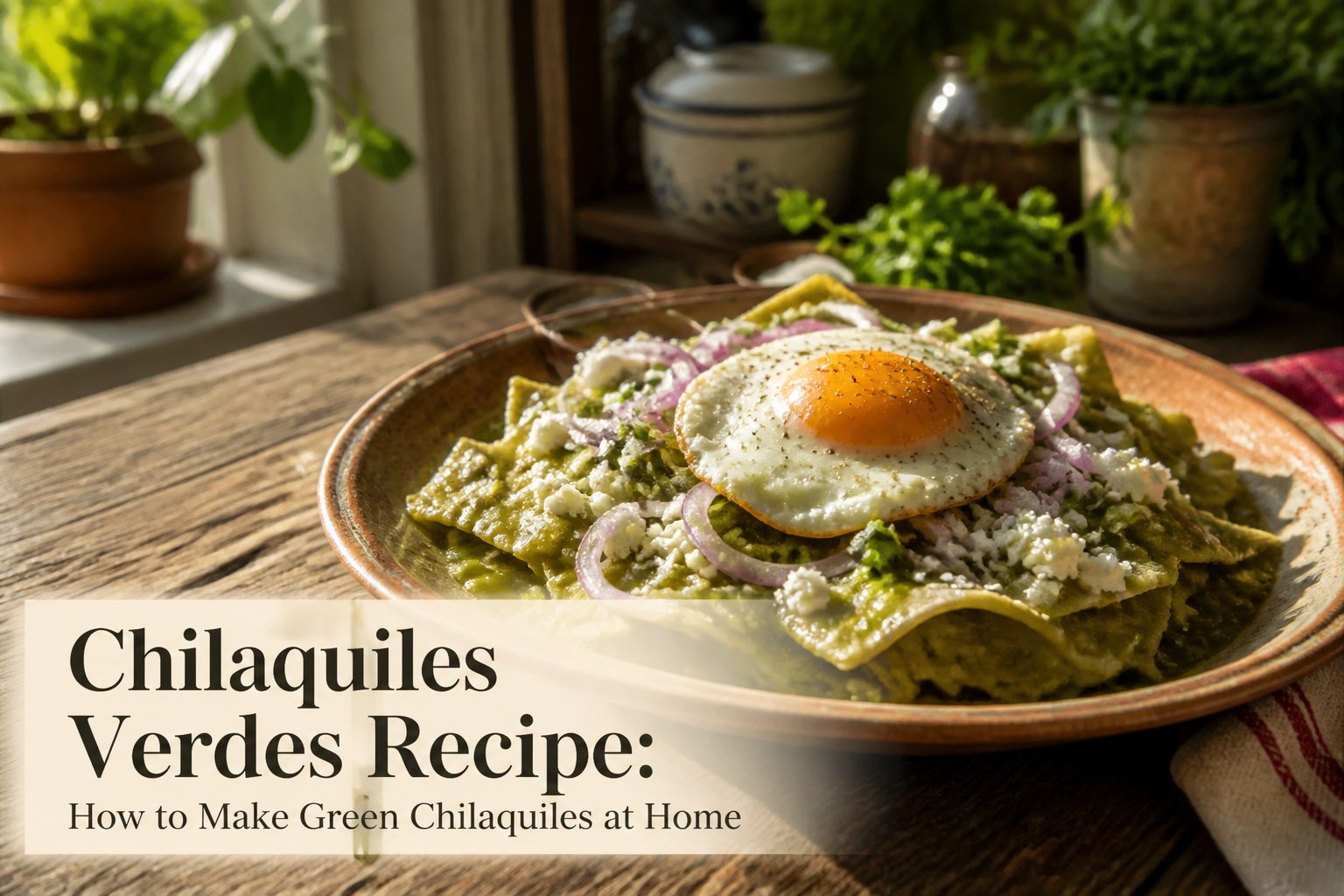
Green chilaquiles hit the plate sharp and bright from the salsa verde, with chips that stay crisp just long enough to crack under your fork before the yolk breaks.
The difference here is the two-minute toss: pull the chips from the pan at two minutes and they keep their structure, let them go to three and they soften into something closer to saucy bread.
Either way, the whole thing takes about thirty minutes from a cold stove, and it was built around stale tortillas that fry up better than fresh ones.
What Chilaquiles Verdes Are and When to Make Them

Stale corn tortillas work better than fresh ones here, so this is a good place to use the leftovers from Saturday’s tacos.
Thirty minutes later we were eating, which is the real case for keeping a jar of salsa verde in the refrigerator door.
Chilaquiles verdes are fried corn tortillas tossed in that green sauce, traditionally served with a fried egg on top and whatever else you have: crema, cotija, a few cilantro leaves if they have not turned to slime.
The dish works for weeknight cooking on a few counts. Stale tortillas fry better than fresh ones, so this is actual waste prevention, not a Pinterest performance of it.
The whole thing takes about 30 minutes. It feeds a family without exact head-counting, since you add eggs at the end and scale the tortillas to what you have.
Crunchy or soft is your call, and it is worth deciding before you start because the method changes. Some cooks in Mexico serve them crunchy for breakfast and let them soften for lunch or dinner.
Others want them immediately soft and saucy, tossed longer in the pan. I land on the crunchy side, but the salsa is the same either way, and the egg on top does not care.
Recommended Products

Salsa Verde is made with fresh tomatillos, onions, jalapeños and poblano peppers

Tomatillo salsa with green tomatoes, onions, cilantro, jalapeños, green peppers and lime juice

Made with tomatillos and green chile this tangy salsa has a mild heat. Pair it with meat or make it your go-to dip for tortilla chips.
Ingredients

Most of this comes from the produce and dairy aisle, with two items worth flagging before you shop.
- Salsa verde: 1 lb tomatillos, husked; 3 jalapeños, stemmed and seeded; ½ medium white onion; 4 garlic cloves; ½ cup cilantro; 1 tablespoon lime juice; 1 teaspoon kosher salt
- Tortillas: 12 corn tortillas, plus neutral oil for frying
- Toppings: ¼ cup crumbled cotija cheese; ¼ cup Mexican crema; 2 fried eggs per serving
Cotija and Mexican crema sit in most grocery stores’ refrigerated Latin foods section, though coverage varies. Farmer’s cheese or mild feta crumbles work for cotija; full-fat sour cream thinned with a splash of milk substitutes passably for crema.
Sliced avocado, extra cilantro, refried beans, or shredded chicken stirred in at the end are all worth adding.
Recommended Products

BRIGHT & ZESTY WITH LAYERED HEAT – Tomatillo tang + jalapeño warmth + serrano sharpness + habanero citrusy fire.

SET YOUR MOUTH ON FLAVOR: Melinda’s Green Sauce is the social sauce - good with anything and everything. With a heat level of one out of five, our chile verde can be enjoyed as a condiment by the whole table.
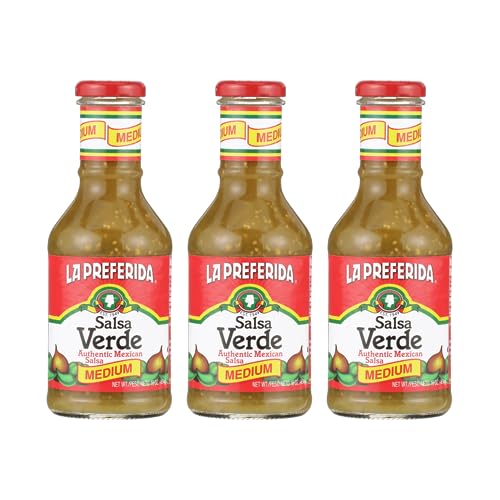
HOMESTYLE FLAVOR, MINUS THE HASSLE: Leave slicing and dicing to the pros. Our tangy tomatillo salsa captures authentic taste in the convenience of a bottle.
Method

- Make the salsa verde. Boil husked tomatillos, jalapeños, and onion until tender, about 10 minutes. Drain, then blend with cilantro, lime juice, and salt until smooth. The texture is up to you; I leave mine slightly loose so it coats evenly without turning the chips to mush.
- Fry the tortillas. Stack 12 corn tortillas and cut into wedges all at once. Fry in hot neutral oil, working in batches, until each chip is crisp and golden. Drain on paper towels and salt while hot.
- Combine. Pour the salsa verde into a wide pan over medium heat. Add the fried tortilla chips and toss to coat. For crunchy chilaquiles, pull them after 2 minutes; for softer, more traditional ones, let them go 3. This is the moment that decides the dish.
- Serve immediately. Top with crumbled cotija, Mexican crema, fresh cilantro, and a fried egg per plate. The eggs should go on last, yolks intact, so each person breaks their own.
Recommended Products

Flatbreads

One 24-count package of Mission Extra Thin Yellow Corn Tortillas

One 80-count package of Guerrero White Corn Tortillas
Yield, Storage and Substitutions

A batch built from twelve corn tortillas and two eggs per person feeds four comfortably. The math is easy to remember, and it scales in either direction without fuss.
Leftovers are where chilaquiles fight you. Once the salsa hits the chips, the clock starts; the tortillas drink up moisture and go limp within an hour.
If you need to get ahead, store the salsa, the fried tortillas, and any toppings in separate containers for up to three days, then combine and warm them right before eating.
The texture still suffers some, but it beats a soggy revival.
On substitutions, store-bought salsa verde works in a pinch, though the homemade route pays off here. Cotija can be swapped for crumbled feta; the salt and crumble are similar enough that most people won’t notice.
Mexican crema is really just thin, tangy cream, so sour cream loosened with a splash of milk does the job.
For less oil, baked tortilla wedges replace fried ones with decent results, though you lose some of the richness that carries the dish.
Corn tortillas are naturally gluten-free, which covers one dietary gap with no extra effort. Low-carb is harder.
Cauliflower "chips" or other vegetable stand-ins don’t hold up to simmering in salsa; nothing starchy and sturdy enough exists yet to mimic what the tortilla does here.
If you’re counting carbs, this is probably a dish to enjoy rather than adapt.
Recommended Products

365 by Whole Foods Market products give you that dance-down-the-aisles feeling, virtual aisles too! Our huge range of choices with premium ingredients at prices you can get down with makes grocery shopping so much more than tossing the basics in your cart.
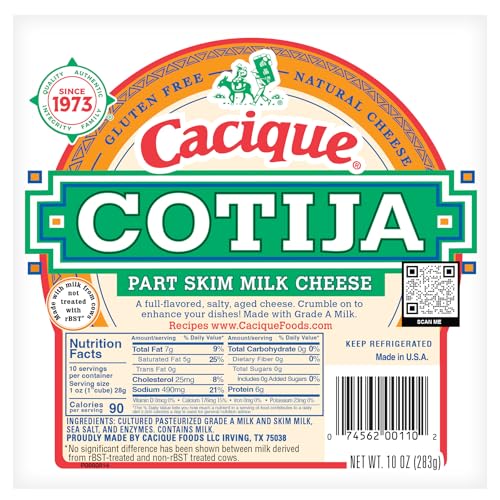
Robust, strong-flavored, aged cheese

Exclusively selected and passionately sourced from farmers and producers around the world
Salsa Verde from Scratch vs. Store-Bought

Homemade salsa verde is worth the twenty minutes. Homemade salsa verde tastes brighter than jarred versions because you blend the tomatillos, jalapeños, white onion, garlic, cilantro, lime, and salt while they are still warm from the stove.
I have made it both ways, and the difference shows up most in the finish. The homemade version keeps that sharp, fruity edge from fresh tomatillos; most jarred salsas taste cooked into submission.
That said, a 1½- to 2-cup jar of store-bought salsa verde works when time is short. Look for one with tomatillos actually listed first, no added sugar, and no "green tomato" substitutions.
Herdez and Trader Joe’s both pass that test. If the jarred salsa is too thick, a splash of chicken stock thins it without diluting flavor.
I keep one on hand for weeknight emergencies, but I still prefer to make a batch on Sunday and use it through Wednesday.
Recommended Products

buttery Grade A sour cream

Pure & Natural

No artificial preservatives added
Frying vs. Baking the Tortillas

Stale tortillas fry up sturdier than fresh ones, and that matters more than the method you pick. Both methods work, though frying gives the crispiest result and baking saves a pan.
Frying in about a cup of hot oil took 8 to 10 minutes of turning the wedges often. The result was the crisp, slightly blistered shell that holds up to salsa verde without going mushy.
Baking at 375°F stretched to 15 to 20 minutes and used far less oil, just a light brush across each piece, but the texture came out closer to a toasted chip than a fried one.
The baked version softens faster once the sauce hits.
If you are feeding a crowd on a Sunday morning, frying is worth the cleanup. On a weeknight, baking gets you most of the way there with one less pan to wash.
Recommended Products

One (1) 15.5 oz jar of Late July Snacks Salsa Verde with Roasted Tomatillos

Simple Ingredients, Big Flavor: No preservatives. No artificial anything. Just hand-crafted, locally sourced, all-natural salsa with the kind of ingredient list you'd write yourself.

Five types of peppers come together for this vibrant verde.
Crunchy or Soft

The texture of chilaquiles verdes depends almost entirely on how long the chips sit in the salsa. Toss everything together and serve immediately, and the tortillas stay crisp enough to crack between your teeth.
Let them linger for a minute or two, and they soften into something more like saucy, savory bread.
At my table, this is a scheduling decision more than a culinary one. Crunchy works for breakfast when we are all sitting down at once.
When I need to hold breakfast while the kids hunt for shoes and backpacks, softer chilaquiles survive the wait without turning into mush.
Homemade chips make the difference either way. Store-bought chips soften fast and fall apart; tortillas fried at home hold their structure longer under the sauce.
If you do buy them, reach for thick, sturdy, lightly salted ones.
Recommended Products

HOMESTYLE FLAVOR, MINUS THE HASSLE: Leave slicing and dicing to the pros. Our tangy tomatillo salsa captures authentic taste in the convenience of a bottle.

Mild taco sauce

The information below is per-pack only
Toppings and What Changes the Dish

The toppings are where chilaquiles verdes turn from a light breakfast into something that carries straight through to dinner.
Crumbled cotija cheese and a drizzle of Mexican crema cool down the heat of the salsa, while chopped cilantro and diced avocado add freshness against the fried tortillas.
Two fried eggs per serving is the move that makes it a meal, the yolks breaking into the chips and sauce to create something rich enough to stick with you.
Refried beans on the side round out the plate without asking much of the cook.
For something heartier, shredded chicken mixed directly into the sauce before the chips go in turns the dish into a proper dinner, the kind that fills the table on a Tuesday night when half the family has practice and nobody wants to wait.
At my house, the cotija and crema disappear first. Cilantro gets picked at, used sparingly by some and skipped entirely by the kids.
Avocado lands somewhere in between: sliced thin and fought over when it’s ripe, left untouched when it’s even slightly brown. The eggs are non-negotiable.
Without them, you’re eating chips and salsa; with them, you’re eating breakfast, or lunch, or dinner, depending on what time the day got away from you.
Recommended Products

One 30-count package of Mission White Corn Tortillas

Different than most corn tortillas today

One 10-count package of Mission Super Size Yellow Corn Tortillas
Where Chilaquiles Come From

Chilaquiles started as a way to use up leftover tortillas, and that origin still shapes how the dish behaves in a home kitchen today.
Stale corn tortillas fry up crisper than fresh ones, which is why the recipe naturally leans on what you already have rather than a special trip to the store.
The same goes for the salsa and toppings: this was pantry cooking before it had a name.
That thrift matters to the cook because precision was never the point. The proportions flex.
The chips can sit longer or shorter in the salsa. Some mornings you have eggs, some you don’t.
The dish was built to absorb variation, not punish it, which makes it one of the more forgiving plates to pull together on a weekday when the fridge is half-empty and time is short.
Recommended Products

Origin: United States

Brought to you by Whole Foods Market
Frequently Asked Questions
Recommended Products

Pure & Natural

Pure & Natural

Pure & Natural
How do you make chilaquiles verdes?
Fry corn tortillas cut into wedges until crisp, then toss them in warm salsa verde for two to three minutes. Top with cotija, crema, and a fried egg per plate.
The whole process takes about half an hour from start to finish.
Can you use store-bought salsa for chilaquiles verdes?
Yes, though homemade salsa verde pays off in brightness. A jar of store-bought works in a pinch if it lists tomatillos first, contains no added sugar, and uses no green tomato substitutes.
Thin a thick jarred salsa with a splash of chicken stock.
What toppings go on chilaquiles verdes?
Cotija cheese, Mexican crema, fresh cilantro, and two fried eggs per serving are the standard set. Sliced avocado, refried beans, or shredded chicken stirred in at the end turn a light breakfast into a full dinner.
What is chilaquiles verdes sauce made of?
Salsa verde starts with boiled tomatillos, jalapeños, and white onion, blended with cilantro, lime juice, and salt.
The jalapeños are stemmed and seeded before boiling, and the finished texture can be loose or slightly thick depending on your preference.
Are chilaquiles supposed to be crunchy or soggy?
The texture is up to you. Pull the chips from the salsa after two minutes for a crisp bite, or let them go three minutes for softer, more traditional chilaquiles.
Homemade fried tortillas hold their structure longer than store-bought chips under the sauce.
What is the difference between chilaquiles verdes and chilaquiles rojos?
The only difference is the salsa. Chilaquiles verdes use salsa verde built from tomatillos, giving a sharp, fruity edge.
Chilaquiles rojos use a red chile-based salsa. The tortilla preparation, toppings, and method stay the same.
About The Author
