
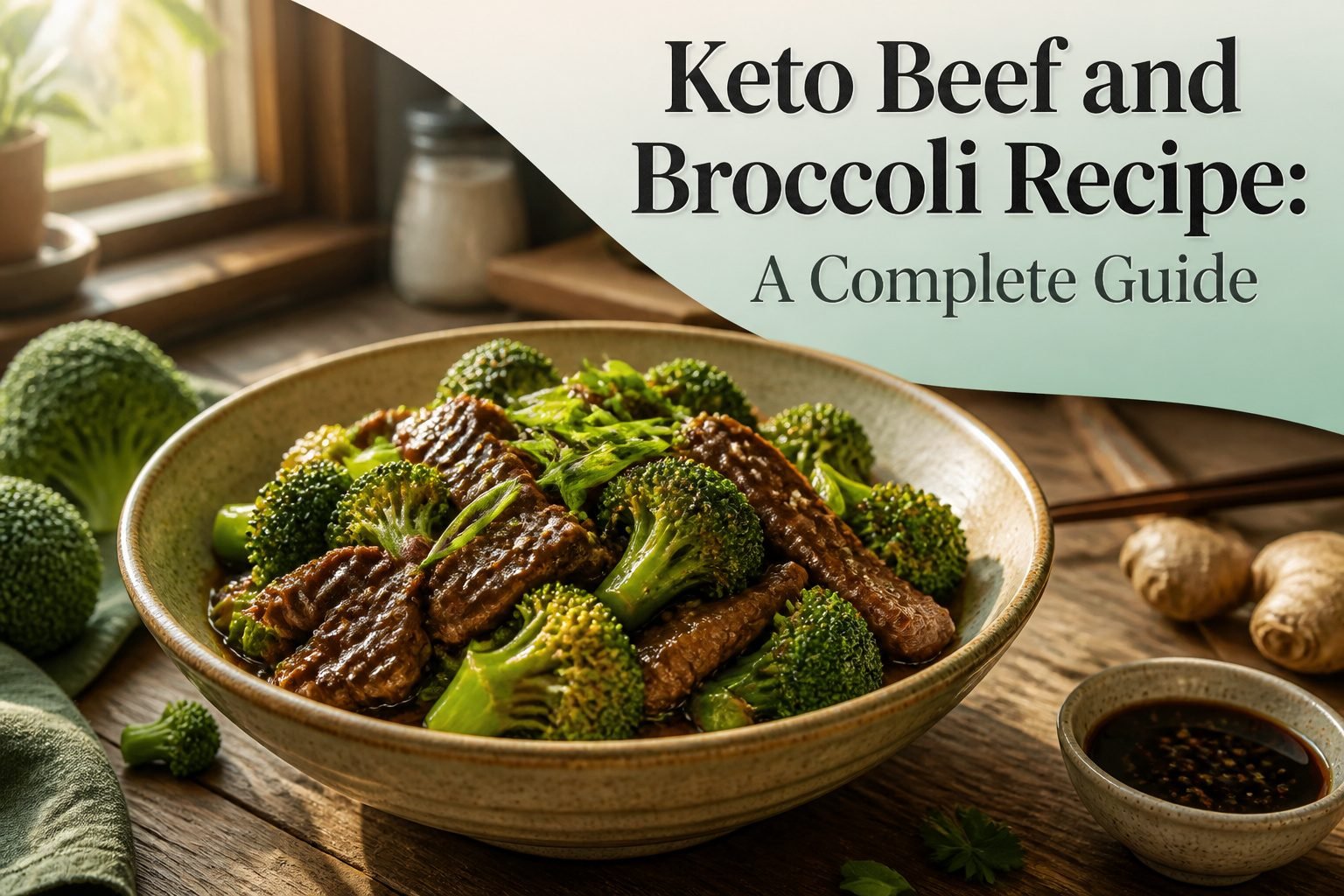
Keto beef and broccoli is the same Chinese-American stir-fry rebuilt for a low-carb plate: thin-sliced beef, bright green broccoli, and a savory soy-ginger sauce, just without the sugar and cornstarch that push a standard takeout order to 15–20g net carbs.
The keto version lands around 3.3g, fitting your macros instead of blowing through half a day’s allowance in one bowl.
What Keto Beef and Broccoli Actually Means

Keto beef and broccoli is the same Chinese-American stir-fry you already know, just rebuilt for a low-carb plate.
The beef stays sliced thin against the grain, the broccoli still blanches to that bright green snap, and the sauce keeps its savory soy-ginger backbone.
What disappears is the sugar and cornstarch that thicken the restaurant version into a glossy glaze.
That swap matters more than you’d guess. A standard takeout order loads 15–20g net carbs per serving, almost entirely from added sugars and starch thickeners.
The keto versions I found land between 2g and 6g net carbs, with most clocking in around 3.3g. The difference is dinner fitting your macros versus blowing through half a day’s allowance on one bowl.
The sauce rebuilds itself without much drama.
Caramelized onions, garlic, ginger, and beef stock give it depth; if you want sweetness back, a monk fruit sweetener does the job. Some recipes skip even that and let the soy and beef drippings carry it.
Either way, the result tastes like the original because the original was never really about the cornstarch. It was about the sear, the bite, and the salty-savory pull of the pan.
Recommended Products

NEW LOOK KIKKOMAN PACK: It is now available in a new pack however, this does not imply that the flavor has changed, it is now offered in a new pack with the same original flavor.

Micro Ingredients Organic Broccoli Powder is made from raw broccoli, finely milled into a smooth powder that's easy to scoop and mix into your favorite drinks and recipes.

Picking the Right Beef Cut

Flank steak and top sirloin dominate most beef and broccoli recipes for good reason. Both cuts stay lean enough to cook through in seconds while still carrying enough beef flavor to stand up to a soy-based sauce.
Flank steak can turn chewy fast, which is why slicing thin against the grain matters more here than with almost any other cut. The muscle fibers run long and tight; cut perpendicular to those lines and the bite changes completely.
Sirloin hits a middle ground that forgiving home cooks appreciate. It costs a little more, but the tenderness holds even if your knife work drifts slightly off-angle.
Chuck roast shows up in slow-cooker versions, and while it needs time rather than flash heat, the fat content keeps it moist through longer cooking. For the hot-and-fast stir-fry most weeknight cooks want, flank or sirloin win.
Recommended Products

One boneless beef flank steak weighing between 0.25 and 1.5 pounds

Steak-Umm, Sliced Steaks, 9 oz (Frozen)

One package of Boneless Beef Sirloin Bavette Steak weighing between 1 and 3 pounds
Marinating the Beef

Thin slices of beef need something to cling to before they hit the hot pan, and a quick marinade does more than you’d expect for a 10-minute stir-fry.
I combine the sliced meat with soy sauce or coconut aminos, a few cloves of minced garlic, and about an inch of fresh ginger grated fine.
A pinch of sweetener is optional here, though I tend to skip it; the soy sauce carries enough depth on its own, and the keto versions I reach for are already doing plenty of work.
Fifteen minutes is the minimum that does anything, and an hour gets you full flavor without the meat going mushy.
The acid in the soy sauce or coconut aminos will start breaking down the meat’s surface proteins past that point, which turns the texture mealy instead of tender.
I set a timer, not a clock, because forgetting a marinade overnight is the kind of mistake you only make once.
Recommended Products

What You Get: One 13.5 oz. bottle of P.F. Chang’s Home Menu Sesame Sauce

𝐄𝐧𝐣𝐨𝐲 𝐫𝐞𝐚𝐥, 𝐜𝐫𝐨𝐰𝐝 𝐩𝐥𝐞𝐚𝐬𝐢𝐧𝐠 𝐠𝐢𝐧𝐠𝐞𝐫 𝐬𝐭𝐢𝐫 𝐟𝐫𝐲 ?𝐥𝐚𝐯𝐨𝐫 𝐰𝐢𝐭𝐡 𝟎 𝐦𝐠 𝐬𝐨𝐝𝐢𝐮𝐦 𝐩𝐞𝐫 𝐬𝐞𝐫𝐯𝐢𝐧𝐠 – Hit your sodium goals and still look forward to dinner. With ginger, onion, garlic and rare spices, this organic ginger stir fry sauce from Mr. Spice delivers wok-style depth without the salty aftershock, letting you toss chicken, shrimp, and crisp vegetables confidently. Built to be a low sodium stir fry sauce from the start, it gives you the bite and finish you crave, turning low sodium eating into a nightly win.

10 oz organic teriyaki sauce
Blanching the Broccoli

Broccoli florets need a quick bath in boiling water before they ever hit the pan. I bring a pot of salted water to a rolling boil, drop in about 4 to 5 cups of florets, and set a timer for one minute.
Pull them out any longer and you risk that dull olive color and the soft texture that ruins a stir-fry.
The ice water step is non-negotiable. A bowl of ice water waiting right next to the stove lets me lift the florets straight from the pot and shock them cold in seconds, stopping the cooking dead.
That temperature drop locks in the bright green and keeps the texture crisp enough to stand up to a second round of heat in the sauce. Without it, residual heat turns tender florets mushy while you finish the beef.
That 4 to 5 cup measure matches roughly a pound and a half to two pounds of sliced beef, the ratio most home cooks want for a balanced pan.
Skipping the blanch and shock is what sends so many keto beef and broccoli recipes straight to disappointment: gray, limp vegetables swimming in sauce instead of holding their own.
Recommended Products

No hydrogenated fats or high fructose corn syrup allowed in any food

GREAT TASTING SOY SAUCE ALTERNATIVE - Coconut Secret Coconut Aminos is a delicious seasoning alternative that you can use exactly like soy sauce in salad dressing, marinades, sautés or to sprinkle on sushi. It is made with coconut tree sap and not coconuts, so it does not have a coconutty flavor
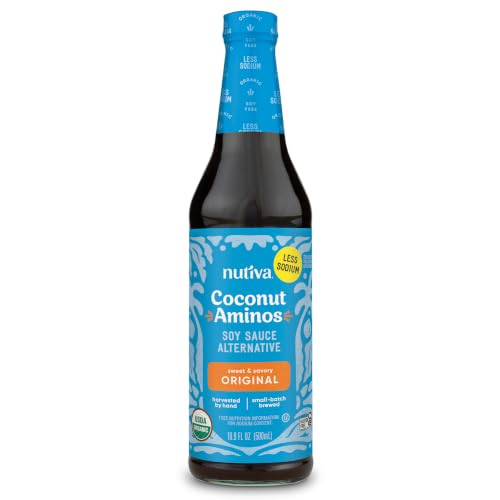
GREAT TASTING SOY SAUCE ALTERNATIVE - Coconut Secret Coconut Aminos is a delicious seasoning alternative that you can use exactly like soy sauce in salad dressing, marinades, sautés or to sprinkle on sushi. It is made with coconut tree sap and not coconuts, so it does not have a coconutty flavor
Cooking the Beef Hot and Fast

Heat one to two tablespoons of oil in a skillet or wok over medium-high heat.
Once the surface shimmers, add the beef in a single layer and let it sear. The strips need one to five minutes, stirred only occasionally, until they take on real color.
Working in batches is non-negotiable if the pieces touch, they steam instead of brown, and you end up with gray, rubbery meat that no amount of sauce fixes.
Crowding drops the pan temperature fast. The beef releases moisture, which pools and boils the protein rather than letting it caramelize against the hot metal.
Three to five minutes of patience per batch, with space between each strip, builds the fond that later becomes the foundation of the sauce.
That browned residue on the pan bottom is not a mess to scrape away; it is flavor waiting to happen.
Recommended Products

ZERO CALORIE, ZERO NET CARB MONK FRUIT PACKETS: Enjoy deliciously sweet coffee, tea, smoothies and more with zero calories and zero net carbs with Monk Fruit In The Raw Packets.

ZERO CALORIE MONK FRUIT SWEETENER: Enjoy the sweet taste you love with Monk Fruit In The Raw, an all-natural monk fruit sweetener with zero calories and zero net carbs.

Tastes Like Sugar: This monk fruit keto sugar substitute contains zero calories and is zero glycemic. Put 1 packet or multiple packets of Lakanto Monkfruit Extract sweetener in your tea, coffee, water, fruit smoothies, and other beverages. Our keto sugar substitute is great for people who are sensitive to sugar alcohols. It's an all natural sweetener that tastes amazing without the negative effects of sugar.
Building the Keto Sauce

The sauce for keto beef and broccoli starts with soy sauce or coconut aminos at roughly 1/3 to 1/2 cup.
Coconut aminos run about 70% lower in sodium than soy sauce and keep things gluten-free, though they do add a touch more sweetness and a few more carbs.
If you are strict on carbs, soy sauce or tamari is the leaner choice.
Beef broth and a splash of rice wine vinegar round out the base.
Most recipes call for 1 to 2 tablespoons of sweetener; monk fruit, erythritol, and allulose all work here, with blends like Swerve Brown or Besti giving a closer match to the brown sugar in classic takeout.
Thickening is where keto diverges from the standard.
Cornstarch is out. Xanthan gum and glucomannan are the usual swaps, and either does the job at about 1/2 to 1 teaspoon.
I have seen xanthan gum listed as optional more often, probably because it can turn gummy fast if you are heavy-handed. Glucomannan behaves a little more forgivingly in the pan.
Both beat cornstarch on carbs, but neither gives you that same glossy cling. You learn to accept a slightly looser sauce, or you whisk in a touch more and hope for the best.
Recommended Products

Creamy Banana Delight: Our vanilla banana protein powder without artificial sweeteners is made with a blend of fruits and veggies added with a vanilla flavor with a banana accent. It’s perfect with raw organic honey for added flavor and nutrients.


Finishing the Stir-Fry

Aromatics go in next if you’re using them. Onion softens in the hot pan for 3 to 5 minutes, just long enough to turn translucent at the edges without picking up color.
Butter and olive oil alongside the onion, cooked until fully caramelized and tender, is one path; keeping it lean and stopping at that initial softening stage is the other. I stop at translucent; the sauce carries enough depth already.
Once the aromatics are where you want them, everything returns to the pan.
The beef goes back first, juices and all, followed by the broccoli and the sauce. Toss continuously for 2 to 3 minutes.
The sauce should coat every piece and thicken slightly as it hits the heat, but this stage is about finishing, not cooking through. The broccoli is already tender from its earlier blanching, and the beef only needs to warm through.
Push past those 2 to 3 minutes and the broccoli turns mushy, the beef tightens, and the whole dish loses its snap. Pull it while everything still has some pushback to it.
Recommended Products

One package of Boneless Beef Thin-Sliced Ribeye Steak weighing between 1.25 and 2 pounds.

One package of Boneless Beef Thin-Sliced Chuck Steak weighing between 1 and 2.9 pounds.
Serving and What Pairs With It

The skillet comes off the heat still sizzling, and the beef needs about a minute to settle before the sauce thickens to that glossy finish.
Serve it straight from the pan while hot, the broccoli still holding some bite, or spoon it over cauliflower rice if you want the bulk without the carbs.
Ten ounces of frozen cauliflower rice, cooked, stretches one batch into two full plates.
The numbers land in a wider range than most keto recipes admit. Per serving, calories run 195 to 371 depending on your oil and beef fattiness, protein sits at 20 to 34 grams, and net carbs stay between 2 and 6 grams.
The lower end comes from leaner flank and a lighter hand with the oil; the upper end, from well-marbled cuts and the full sauce. Either way, the dish keeps you inside a ketogenic day without weighing or measuring every gram.
Recommended Products

Teriyaki reimagined with Momofuku's soy-forward approach: savory depth first, sweetness second

ELEVATE EVERY DISH. From dumplings to stir-fries, salads, noodles, and marinades, this versatile sauce adds instant restaurant-quality flavor to everyday cooking.

No hydrogenated fats or high fructose corn syrup allowed in any food
Cooking Methods Compared

Stir-fry wins on speed.
The beef stays tender with bite, and broccoli keeps its snap if you blanch it first. Sources list 10 minutes prep and 25 minutes cook time for this route, which matches what most weeknight cooks actually have.
The slow cooker asks for 4 hours on low plus another 30 minutes once broccoli goes in, though one version trims that to 1 hour 15 minutes total cook time after a quick stovetop sear.
Beef turns fork-tender, almost stew-like; broccoli softens past any crispness. This makes sense for Sunday prep or a day when someone’s home to start it midday.
Instant Pot splits the difference on time. Beef pressure-cooks to tenderness in minutes rather than hours, though you’ll still need a separate step for the broccoli to avoid mush.
| Method | Active Time | Beef Texture | Broccoli Texture | Best For |
|---|---|---|---|---|
| Stir-fry | 35 minutes total | Tender, some bite | Crisp-tender | Weeknights with 30–40 minutes |
| Slow cooker | 15 minutes active; 4–4.5 hours total | Very tender, shreddable | Soft | Days you’re home early, meal prep |
| Instant Pot | 20–25 minutes total | Tender | Controlled if added after | Weeknights when stir-fry feels rushed |
My call: stir-fry for Tuesday, slow cooker for Sunday, Instant Pot for the night you forgot to thaw the beef until 5 PM.
Recommended Products

64% LESS SODIUM: Enjoy umami savoriness with significantly less sodium with our Coconut Aminos soy sauce substitute; with 64% less sodium than regular soy sauce, making it a better choice without sacrificing taste


Ingredients and Substitutions

The ingredient list for keto beef and broccoli stays flexible, which matters when you are already making one swap after another to keep carbs down.
Here is what goes in and what you can trade when the pantry does not cooperate.
- Beef: Top sirloin, flank steak, flat iron, inside round, or tri-tip. Pick a tender, quick-cooking cut. This dish moves fast; tougher cuts will not tenderize in time.
- Cooking oil: Avocado oil is the neutral workhorse. Coconut oil works if you want a paleo-friendly option. A small amount of sesame oil, preferably toasted, finishes the dish.
- Soy sauce alternatives: Coconut aminos run milder and sweeter, with about 70% less sodium and no gluten. Tamari brings deeper umami and fewer carbs, and it is fully gluten-free too. Low-sodium gluten-free soy sauce sits in the middle. If you use tamari or standard soy sauce, cut the amount slightly; both read saltier than coconut aminos.
- Sweetener: Besti Brown Monk Fruit/Allulose Blend, Swerve Brown, or plain allulose. Pyure baking blend works at half the listed amount. The sauce does not need sweetener at all, though most Chinese versions use a little brown sugar.
- Thickener: Glucomannan or xanthan gum. Either one does the job at roughly 1 tablespoon; xanthan gum can go further if you prefer a tighter sauce.
- Sauce bases: Unseasoned rice wine vinegar only, the seasoned kind carries added sugar. Beef broth, ideally bone broth, deepens flavor more than water alone.
- Aromatics: Fresh garlic and fresh ginger, minced. Powdered versions will not deliver the same bite.
- Broccoli: About 4 cups of fresh florets, cut bite-size. Frozen works in a pinch.
- Extras: Red pepper flakes for heat, sesame seeds for finishing, cauliflower rice for serving if you want a rice substitute.
Recommended Products

BESTI BROWN TASTES & ACTS LIKE BROWN SUGAR, WITH NO AFTERTASTE. You don't have to miss brown sugar anymore! Our brown monk fruit sweetener without erythritol tastes, measures, bakes, smells, and is moist just like brown sugar. Unlike other brands that contain erythritol, our brown monk fruit sugar with allulose dissolves easily, browns and caramelizes like sugar, won't crystallize, isn’t dry, and doesn't have a cooling sensation.

BESTI POWDERED TASTES & ACTS LIKE POWDERED SUGAR, WITH NO AFTERTASTE. You don't have to miss sugar anymore! Our powdered monk fruit sweetener without erythritol tastes, measures, bakes, and sprinkles just like powdered sugar. Unlike other brands that contain erythritol, our powdered monk fruit sugar with allulose dissolves easily, browns and caramelizes like sugar, won't crystallize, and doesn't have a cooling sensation.

Monk Fruit Magic: This delicious sweetener is derived from the ancient monk fruit, said to be named after the monks that harvested the fruit for it’s sweetness over 800 years ago. This small green fruit has been prized for it’s natural sweetness that when extracted is sweeter then sugar but contains zero calories
Cooking Tips That Actually Matter

Thin slices against the grain cook fast and stay tender.
If the beef is fresh, 45 minutes in the freezer firms it up just enough for clean cuts. Slice against the grain so the fibers shorten instead of toughening in the pan.
- Give the beef space. Crowding drops the temperature and steams the meat instead of browning it. Work in batches if the pan fills up.
- Blanch broccoli for about one minute, then shock it in ice water. This keeps the color bright and the texture crisp. Longer in boiling water and it turns gray and soft once it hits the hot sauce again.
- Keep the heat high from start to finish. A hot pan sears the beef quickly without overcooking, and the broccoli finishes crisp-tender rather than soggy.
Slow Cooker and Instant Pot Paths

A slow cooker turns this into a set-it-and-forget-it dinner, though the tradeoff shows up in the broccoli.
After 6 to 8 hours on low, the meat softens into something closer to braised short rib, and the sauce reduces into a deeper, almost caramelized version of itself.
The broccoli, however, needs to be added in the last 30 minutes or it collapses into olive-green mush. Frozen broccoli holds up slightly better here than fresh, since it starts firmer and releases less water into the pot.
The Instant Pot takes the opposite path. Pressure cooking for about 10 minutes with a quick release gives you tender beef fast, but the sauce never gets that same slow-simmered depth.
You can fake some of that with a longer sauté afterward to reduce the liquid, though that eats into the time savings.
The broccoli goes in after pressure release, steamed right in the pot with the lid off for 3 to 4 minutes, and it keeps actual bite.
For my weeknight priorities, the Instant Pot wins on speed but loses on sauce complexity; the slow cooker asks more patience and returns more flavor.
Storing and Reheating Leftovers

Most recipes for keto beef and broccoli stop once the pan is empty. The leftovers question gets skipped entirely, which is a shame because this dish keeps well with a few caveats.
Refrigerated leftovers hold 3–4 days in an airtight container. The sauce will thicken as it sits; a splash of water or broth while reheating brings it back to life.
The broccoli softens with each reheat, so a covered skillet over medium heat beats the microwave if you want any bite left. The microwave works fine for speed, just expect more give in the vegetables.
Freezing is possible for up to 3 months. Thaw overnight in the refrigerator before reheating.
The broccoli will soften more coming out of the freezer than it ever did in the fridge, and the texture change is noticeable enough that I would not plan to serve frozen-and-thawed batches to anyone expecting crisp-tender florets.
For a quick Tuesday lunch when standards are flexible, though, it absolutely works.
Frequently Asked Questions
What type of beef is best for keto beef and broccoli?
Flank steak and top sirloin are the top picks. Flank steak gives you the most classic bite but demands slicing thin against the grain or it turns chewy fast.
Sirloin costs a little more yet forgives imperfect knife work and stays tender regardless. Chuck roast only works for slow-cooker versions where it gets hours, not minutes, of cooking time.
Can I use coconut aminos instead of soy sauce?
Yes, coconut aminos swap in cleanly for soy sauce. They run about 70% lower in sodium, keep the dish gluten-free, and add a touch more sweetness with a few extra carbs.
If you use tamari or standard soy sauce instead, cut the amount slightly; both read saltier than coconut aminos. Any of the three builds a sauce that tastes like the original.
How do I keep my broccoli bright green?
Blanch it for exactly one minute in boiling salted water, then shock it in ice water immediately.
That cold stop locks in the bright color and crisp texture before the second round of heat in the pan. Skip either step and the florets turn olive-gray and soft in the finished dish.
Can you eat beef and broccoli on keto?
Yes, as long as you rebuild the sauce without sugar or cornstarch. Restaurant versions hit 15–20g net carbs per serving from added sugars and starch thickeners.
Home keto versions land between 2g and 6g net carbs, with most around 3.3g, by using xanthan gum or glucomannan as thickeners and monk fruit or allulose if any sweetener goes in at all.
Can you give me a keto recipe for ground beef and broccoli?
Swapping in ground beef changes the cooking method completely; the meat would crumble rather than sear in strips and the texture would resemble a skillet hash more than stir-fry.
For ground beef and broccoli, you would brown the meat first, drain excess fat, then build the same soy-ginger sauce and add blanched broccoli at the end.
Is the Panda Express beef and broccoli keto-friendly?
No. Takeout beef and broccoli loads 15–20g net carbs per serving, almost entirely from sugar and cornstarch in the sauce.
A standard order blows through half a day’s carb allowance. The homemade keto version hits 2–6g net carbs by dropping those two ingredients and rebuilding thickness with xanthan gum or glucomannan instead.
Can you give me a recipe for beef and broccoli without sugar?
Aromatics and caramelized onion provide depth; if you want sweetness back, monk fruit or allulose substitutes work, though many experienced cooks skip even that and let the soy and beef drippings carry the flavor.
About The Author
