
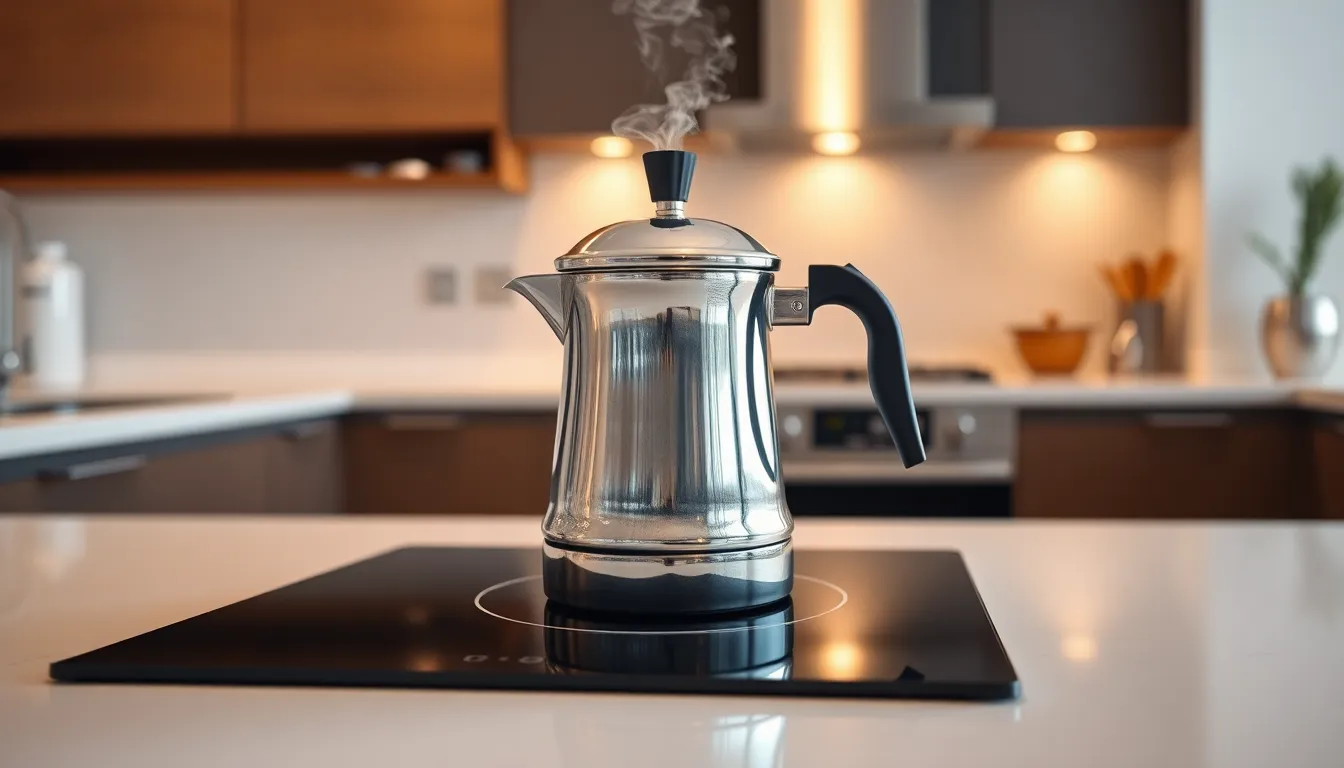
Wondering if you can use a moka pot on an induction stove? It’s a common question for coffee lovers transitioning to induction cooking, and the answer isn’t as straightforward as you might think.
Traditional aluminum moka pots won’t work on induction stovetops because induction requires ferromagnetic materials to generate heat. But, don’t let that stop your morning brew routine! Many manufacturers now offer induction-compatible moka pots made with stainless steel bases or specialized adapters that make it possible to enjoy that rich, espresso-like coffee you love from your moka pot, even on your modern induction cooktop.
What Is a Moka Pot and How Does It Work?
A Moka pot is an iconic stovetop coffee maker invented by Alfonso Bialetti in 1933. These octagonal brewers create rich, espresso-like coffee through a simple but effective pressure brewing system. Traditional Moka pots are crafted from aluminum, though many modern versions feature stainless steel construction.
The brewing mechanism relies on basic physics. When heated, water in the bottom chamber creates steam pressure that forces hot water up through the coffee grounds and into the top collection chamber. This pressure-driven process extracts intense coffee flavors and creates a distinctive, concentrated brew that falls between drip coffee and espresso in strength.
Moka pots consist of three main components: the bottom chamber (boiler) that holds water, a funnel-shaped filter basket for coffee grounds, and a top chamber where the brewed coffee collects. The rubber gasket and safety valve are crucial elements that ensure proper sealing and prevent excessive pressure buildup.
“I’ve been using my grandmother’s Moka pot for decades,” shares Rikki Manny. “There’s something deeply satisfying about the ritual—watching the coffee bubble up into the top chamber and filling your kitchen with that unmistakable aroma.”
Operating a Moka pot involves filling the bottom chamber with water up to the valve, adding medium-fine ground coffee to the filter basket without tamping, assembling the components, and placing it on a heat source. As heat builds pressure in the lower chamber, coffee begins streaming into the upper chamber, accompanied by a distinctive gurgling sound that signals completion.
Recommended Products

Venus is the perfect combination of tradition and innovation: the original induction coffee maker that prepares a perfect coffee, with a Made in Italy taste from a pot with a unique design.
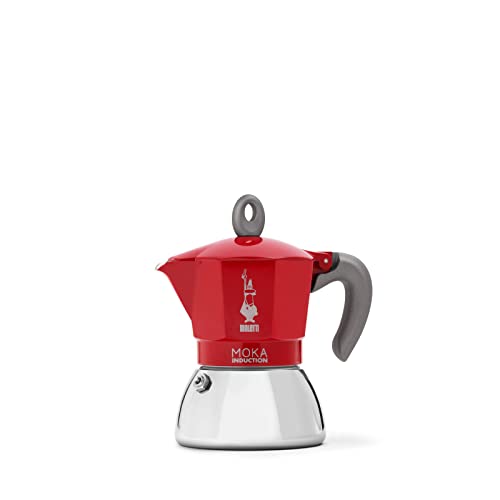
Moka Induction is the first Moka suitable for use on induction hobs, with an aluminum upper part, the same material as the classic Moka Express, combined with Stainless Steel boiler, suitable for induction hobs

Venus is the perfect combination of tradition and innovation: the original induction coffee maker that prepares a perfect coffee, with a Made in Italy taste from a pot with a unique design.
The Challenge of Using Moka Pots on Induction Stoves
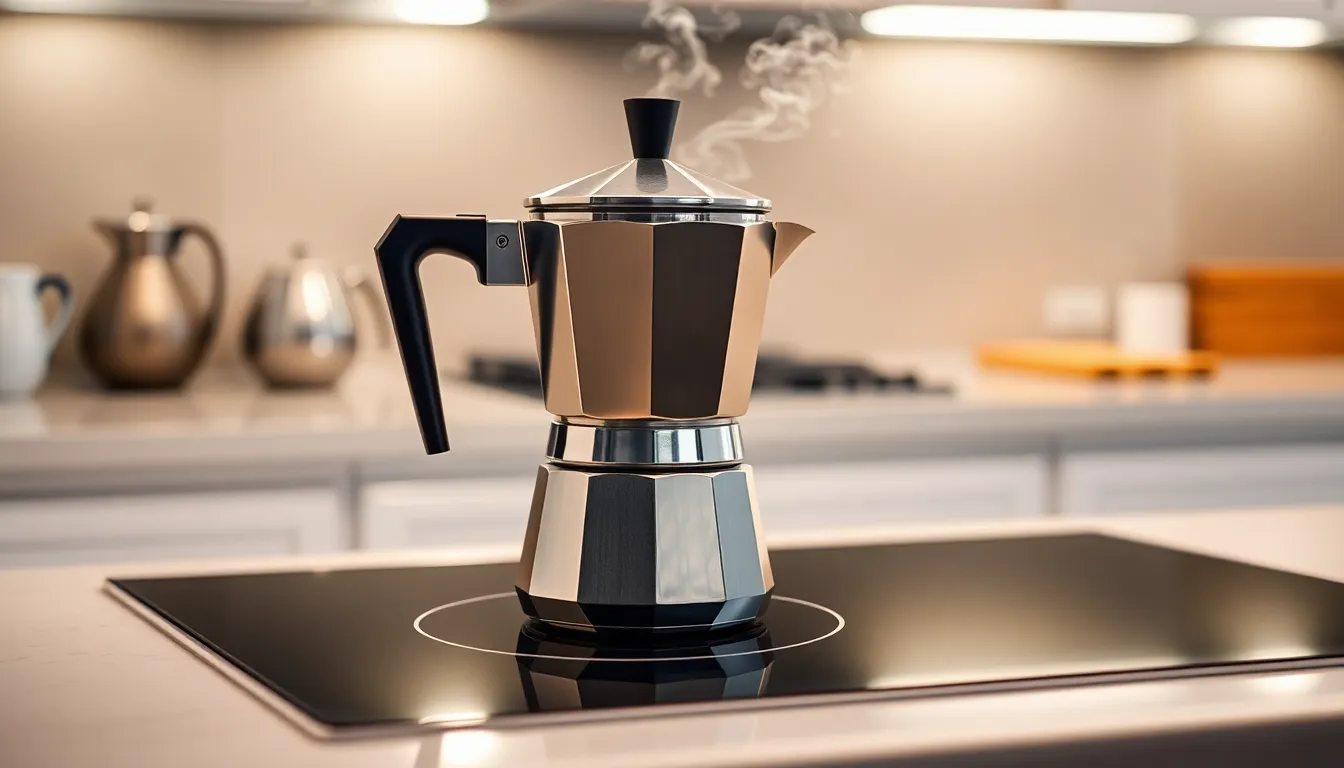
Induction stoves operate using magnetic fields that don’t interact with traditional aluminum moka pots. This fundamental incompatibility creates a important challenge for coffee lovers transitioning to induction cooking while wanting to preserve their beloved brewing method.
Recommended Products
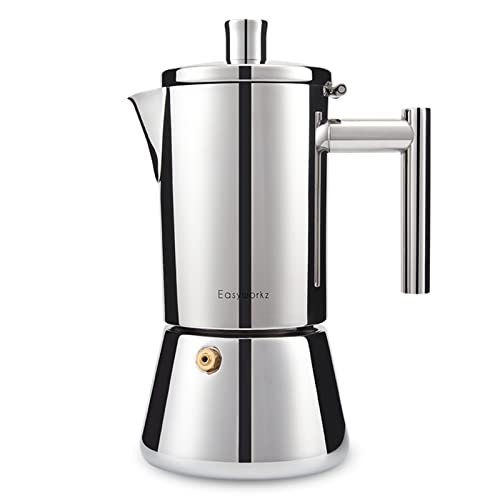
[Elegant and Heat Resistant Design] Used the latest manufacturing technology and combined aesthetics to design this elegant espresso coffee pot. The heat resistant hollow insulated lid and handle grip make it convenient to use. Base is heavy gauge Magnetic stainless steel,ensuring its long life time at high temperatured heat resource.

Practical Tool for the Kitchen--The induction adapter can effectively protect our moka pot from the flames of gas stove. and good for the use of coffee makers, coffee pots on induction cooker.

Venus is the perfect combination of tradition and innovation: the original induction coffee maker that prepares a perfect coffee, with a Made in Italy taste from a pot with a unique design.
Why Traditional Moka Pots Don’t Work on Induction
Traditional moka pots fail to function on induction cooktops due to their aluminum construction. Induction technology generates heat through magnetic fields that induce electric currents directly in cookware, requiring ferromagnetic materials like iron or stainless steel. Classic Bialetti models and other aluminum moka pots remain unaffected by these magnetic fields, resulting in a cold stovetop surface and unheated water.
The timing of their design explains this limitation. When Alfonso Bialetti created the iconic octagonal pot in 1933, induction cooking wasn’t commonly available, and stainless steel carried a premium price tag that would have made everyday coffee makers prohibitively expensive. So, the aluminum moka pots that revolutionized home coffee brewing now face compatibility issues with modern cooking technology.
Induction-Compatible Moka Pot Options
Several answers exist for using moka pots on induction stovetops. Induction adapter plates provide the simplest workaround, acting as interface disks that transfer heat from the induction surface to your aluminum pot. These metal plates respond to the magnetic field and conduct heat to your traditional moka pot.
Manufacturers have developed hybrid moka pots specifically designed for induction compatibility. Models like the E&B Lab Induction Moka Pot feature aluminum bodies for optimal heat retention and brewing characteristics while incorporating magnetic stainless steel bottoms that work with induction technology. These versatile pots function effectively across all stovetop types including gas, electric, ceramic, and induction.
Fully stainless steel moka pots offer another alternative, providing inherent induction compatibility through their completely magnetic construction. Testing compatibility remains straightforward—simply hold a magnet to the pot’s base; if it sticks firmly, the pot will work on your induction cooktop.
Many coffee enthusiasts appreciate these modern adaptations that preserve traditional brewing qualities while leveraging induction benefits such as faster heating times and improved energy efficiency. The combination of classic Italian brewing design with contemporary cooking technology ensures you can continue enjoying rich, aromatic moka pot coffee regardless of your kitchen setup.
Best Induction-Compatible Moka Pots on the Market
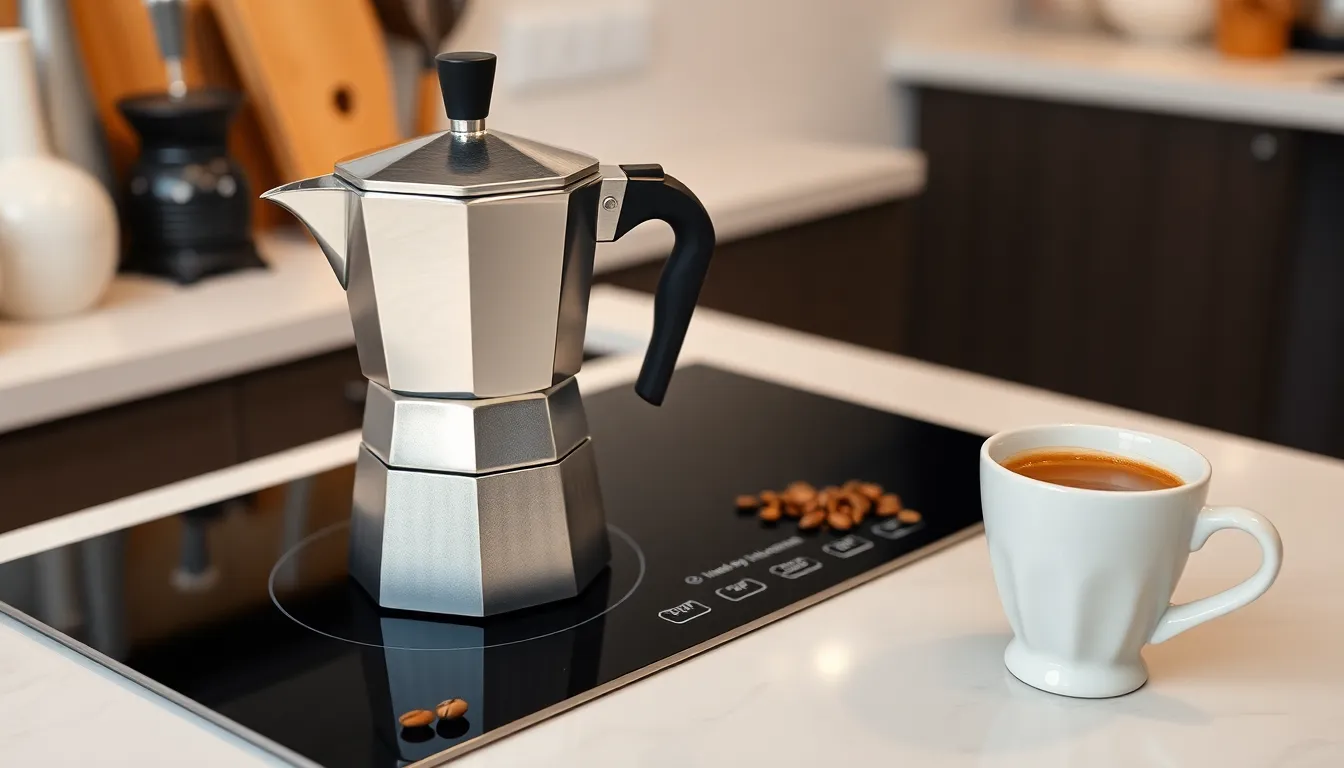
Induction-compatible moka pots come in several variations, each offering unique advantages for coffee enthusiasts who’ve switched to induction cooking. These specialized designs ensure you don’t have to compromise on your favorite brewing method even though your modern cooktop.
Recommended Products

Necessary Helper for Coffee Maker : Thanks to induction plate adapter, it protect your moka pot from the flames of gas stove and lower the heat in order to get a longer brew. Our simmer plate is easy to store and efficient, and it will provide your cookware with years of additional life. Have become an essential item in our household.

Induction Stove Use: ESEVOLO stainless steel induction plate adapter is suitable for aluminum moka pots or all stovetop espresso maker that are not compatible with induction, or glass, ceramic small bowls. Having a heat diffuser cooking induction adapter, will allow you to heat the italian coffee maker on an induction cooktop! It can also be used on gas, glass and electric stove

Prolong the Life of Cookware:This stainless steel heat diffuser plate is like a guardian of cookware. It can effectively prevent food from sticking and burning, avoiding damage to cookware caused by local overheating, and enable cookware to serve you for a long time
Aluminum Moka Pots with Induction Adapters
Traditional aluminum moka pots can work perfectly on induction stoves with the addition of an induction adapter plate. These ferromagnetic discs sit between your classic Bialetti or other aluminum moka pot and the induction surface, creating the necessary magnetic connection. Adapter plates offer a universal solution that works with any aluminum coffee maker you already own. Many coffee lovers appreciate this option because it allows them to keep using their trusted, seasoned moka pots without purchasing new equipment. The adapter method does add an extra step to your brewing process and slightly reduces heating efficiency compared to directly compatible options.
Stainless Steel Moka Pots for Induction
Stainless steel moka pots designed specifically for induction cooktops eliminate the need for adapters while maintaining authentic brewing quality. These models come in two main variations:
- Hybrid designs feature aluminum brewing chambers combined with magnetic stainless steel bases. The E&B Lab Induction Moka Pot exemplifies this approach, offering excellent heat conduction from its magnetic base while preserving the traditional brewing experience through its aluminum body. These pots work flawlessly on all stovetops, including induction.
- Full stainless steel models are constructed entirely from magnetic-grade stainless steel. These premium options offer exceptional durability and direct induction compatibility without compromising on performance. Full stainless models typically cost more than their aluminum counterparts but provide superior longevity and consistent results across all cooking surfaces.
When shopping for an induction-compatible moka pot, look for the induction symbol (four coiled loops) on packaging or product descriptions. A simple magnet test can also confirm compatibility—if a magnet sticks firmly to the base, the pot will work on your induction cooktop. Most manufacturers clearly state induction compatibility in their product specifications, making identification straightforward.
How to Use a Moka Pot on an Induction Stove
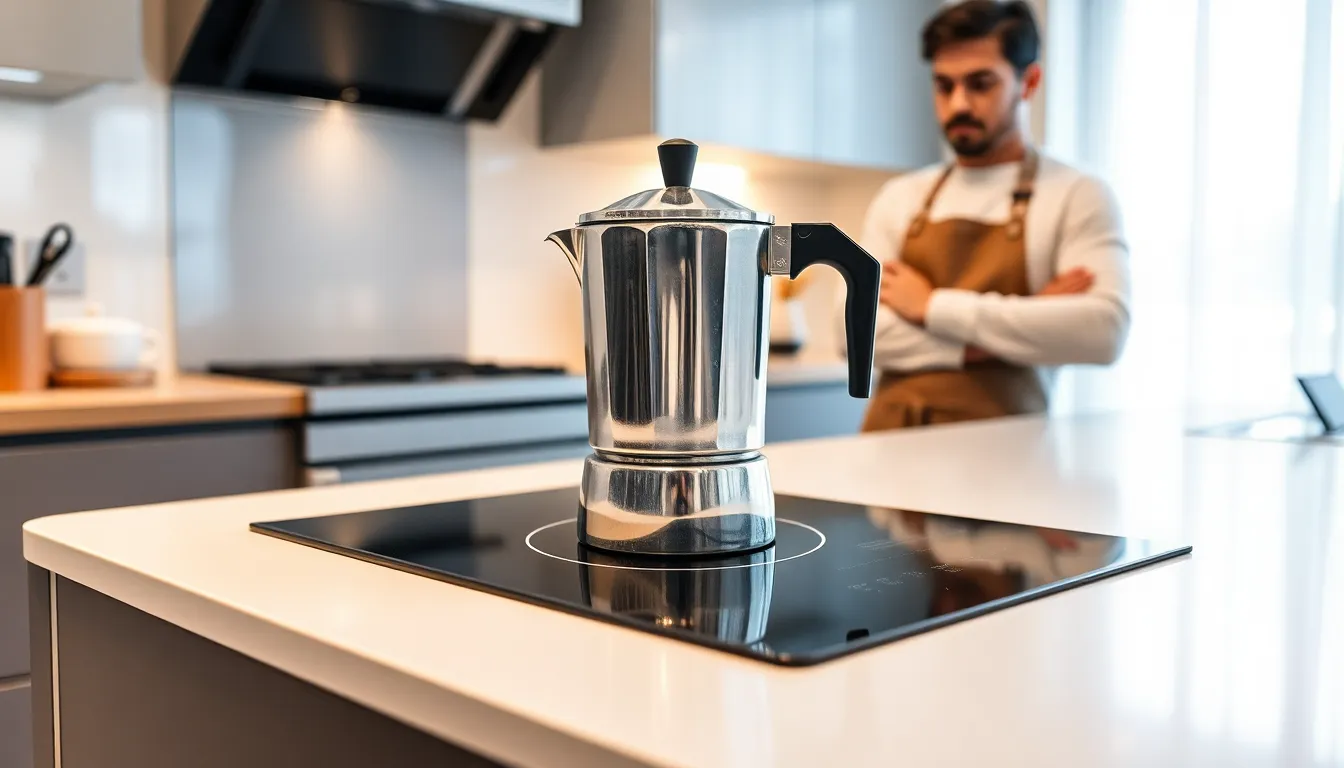
Using a moka pot on an induction stove requires exact considerations since traditional aluminum moka pots aren’t compatible with induction cooking surfaces. You’ll need either an induction-compatible moka pot or an adapter to enjoy your favorite brew method on your modern cooktop.
Recommended Products

Venus is the perfect combination of tradition and innovation: the original induction coffee maker that prepares a perfect coffee, with a Made in Italy taste from a pot with a unique design.

The original moka coffee pot: Moka Express is the original stovetop espresso maker, it provides the experience of the real Italian way of preparing a tasteful coffee, its unique shape and the inimitable gentleman with moustache date back to 1933, when Alfonso Bialetti invented it.Filter type:Reusable
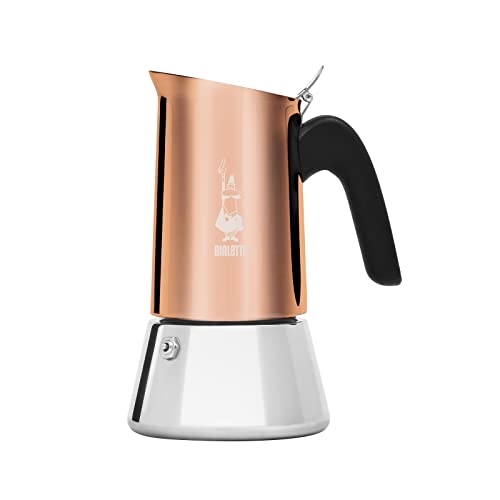
Venus is the ultimate combination of tradition and innovation: the original induction-ready Coffee Maker, preparing an authentically aromatic Italian coffee, in a unique design shape
Proper Heat Settings for Perfect Coffee
Perfect moka pot coffee on induction stoves comes from careful temperature control. Medium to medium-low heat settings produce optimal results by allowing gradual heating without scorching your coffee grounds. High heat settings cause rapid pressure buildup that leads to bitter, burnt-tasting coffee and should be avoided completely. Induction stovetops heat efficiently and evenly, making moderate settings more than sufficient for proper brewing. The heat level needs adjustment based on your exact induction model and pot size – smaller moka pots require lower heat settings to prevent overextraction.
Step-by-Step Brewing Guide
- Fill the bottom chamber with fresh water up to the safety valve level (never above).
- Add ground coffee to the filter basket, creating a level surface without tamping down the grounds.
- Assemble the pot by screwing the top and bottom chambers together firmly, ensuring the gasket creates a proper seal.
- Place your pot on an appropriately sized induction heating zone, using an adapter plate if needed for aluminum models.
- Set heat to medium and monitor as the water heats, builds pressure, and pushes coffee into the upper chamber.
- Listen for bubbling sounds and watch for steam – these indicate your coffee is nearly finished brewing.
- Remove from heat immediately when the bubbling slows to prevent bitter overextraction.
- Serve promptly to enjoy the richest flavors from your freshly brewed moka coffee.
E&B Lab induction-compatible moka pots feature magnetic stainless steel bottoms that work seamlessly with induction stovetops while maintaining traditional brewing characteristics. For standard aluminum pots, induction adapter plates create the magnetic connection necessary for heat transfer, though they add an extra step to your brewing routine. Checking that your moka pot’s base diameter matches your induction stove’s heating element ensures optimal performance and safety throughout the brewing process.
Troubleshooting Common Issues
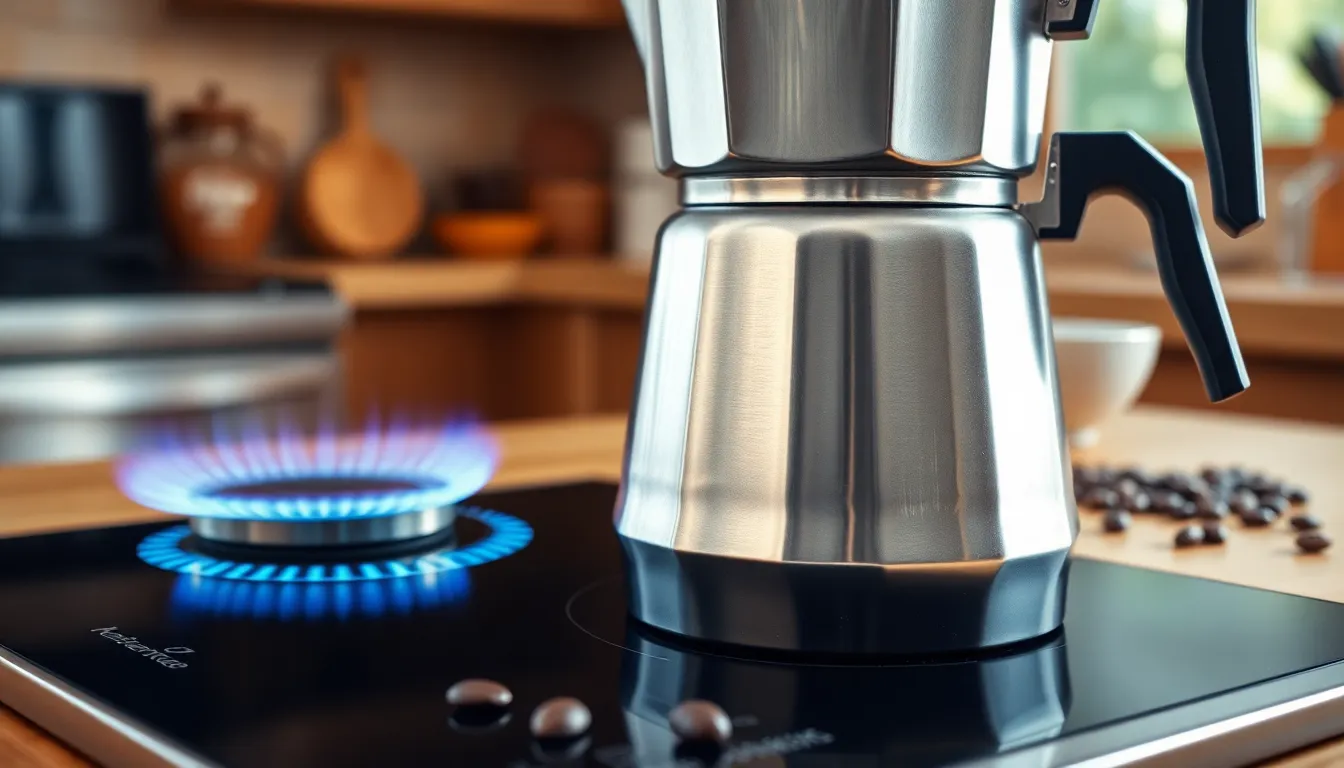
Even with the right equipment, brewing coffee with a moka pot on an induction stove presents unique challenges that can affect your coffee’s flavor and quality. These issues stem primarily from the distinct heating properties of induction technology and how it interacts with your brewing equipment.
Recommended Products

9 Cup Stove Top Espresso Maker: This Italian espresso maker brews up to 9 cups of bold, aromatic coffee (approx. 50ml 1.6 oz). Uses natural pressure—authentic stovetop coffee without crema like pump machines

Designed for Natier Stainless Steel Moka Pots - Compatible replacement set for Natier stainless steel stovetop espresso makers.

6 Cup Stove Top Espresso Maker: This Italian espresso maker brews up to 6 cups of bold, aromatic coffee (approx. 50ml 1.6 oz). Uses natural pressure—authentic stovetop coffee without crema like pump machines
Dealing with Uneven Heating
Uneven heating occurs when your moka pot doesn’t make full contact with the induction burner surface. This problem typically happens when the pot’s base diameter doesn’t match the induction zone size, creating partial heating areas that compromise brewing consistency. For optimal heat distribution, ensure your moka pot’s base diameter aligns with your induction burner size. Many coffee enthusiasts find that using an induction adapter plate solves this problem by evenly distributing heat across the entire base of traditional aluminum moka pots. These plates act as a heat transfer medium, creating uniform temperature throughout the brewing process and preventing hot spots that can burn coffee in certain areas of the filter basket.
Preventing Coffee Overextraction
Overextraction produces bitter, harsh coffee and commonly occurs on induction stoves due to their rapid heating capabilities. Induction cooktops heat significantly faster than conventional gas or electric stoves, requiring closer monitoring during brewing. Reduce your heat setting immediately after brewing begins to prevent the water from getting too hot too quickly. The ideal approach involves starting at medium heat until you see coffee beginning to emerge, then lowering to medium-low to complete the brewing process gently. Many experienced moka pot users recommend removing the pot from the heat source as soon as you hear a gurgling sound and see the coffee flow becoming lighter in color. This timing prevents the final extraction phase, which often draws out bitter compounds from the coffee grounds. Monitoring the brewing process closely allows you to maintain control over extraction timing, resulting in balanced, flavorful coffee without the bitter aftertaste of overextracted brews.
Cleaning and Maintaining Your Induction Moka Pot
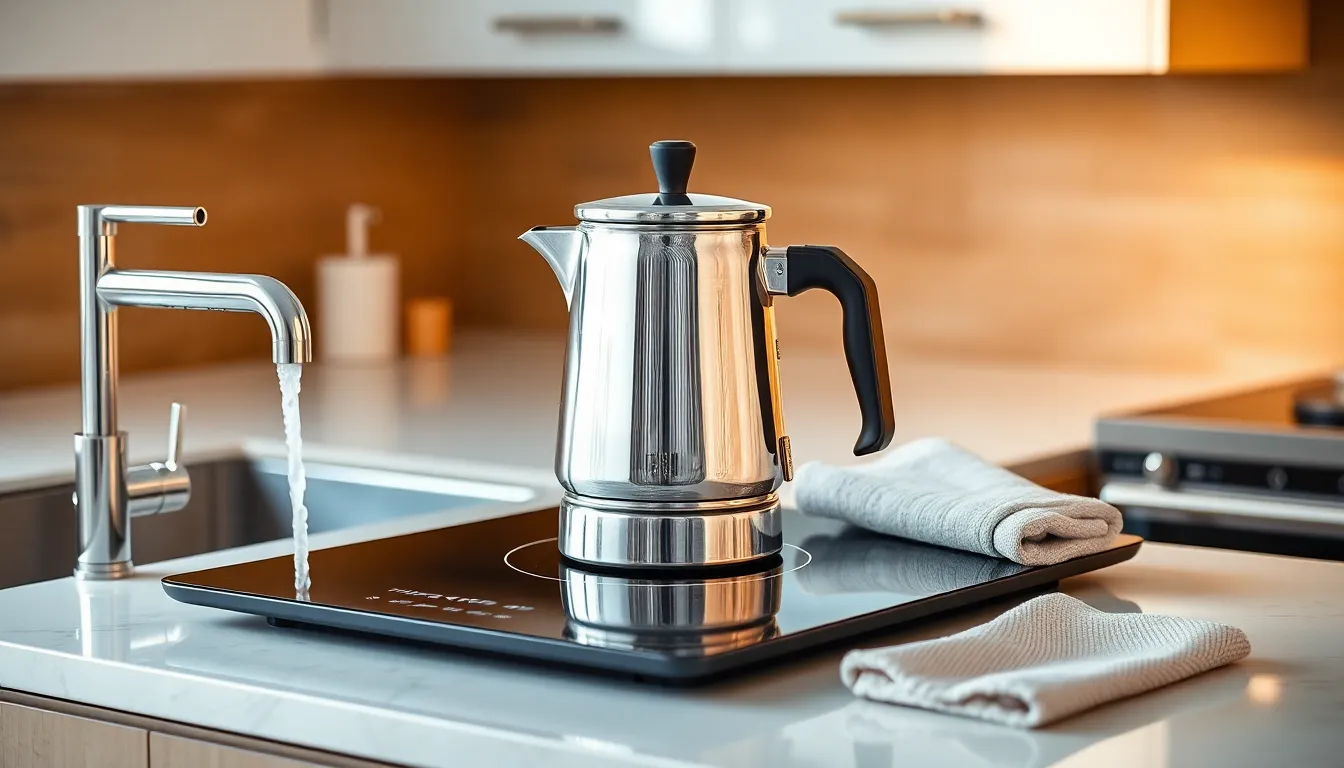
Proper maintenance extends the life of your induction moka pot and ensures consistently delicious coffee. Regular cleaning prevents residue buildup that can affect flavor and performance on your induction cooktop.
After each brewing session, rinse all components with warm water only. Soap and detergents leave residues that can alter the taste of future brews, so they’re best avoided entirely. Thoroughly remove all coffee grounds to prevent clogging in the filter plate and valve.
Complete drying is essential, particularly for the stainless steel base that interacts with your induction stove. Moisture left on metal parts may lead to corrosion over time, potentially compromising the magnetic properties that make your pot induction-compatible.
Inspect the silicone gasket and stainless steel filter regularly for signs of wear. These components ensure a tight seal and proper extraction, directly impacting coffee quality. Replace them when you notice deterioration to maintain optimal brewing pressure.
Gentle cleaning tools preserve your moka pot’s integrity. Soft cloths and non-abrasive brushes clean effectively without scratching the surface or damaging the specialized induction-compatible base. Abrasive scrubbers can create micro-scratches where coffee oils accumulate, leading to rancid flavors in future brews.
For stubborn buildup, a solution of equal parts water and white vinegar works as an effective natural cleaner. Fill the bottom chamber with this mixture, assemble the pot without coffee, and run a brewing cycle. This process removes mineral deposits and coffee oils without harsh chemicals that might damage the pot’s materials.
Recommended Products

DURABLE CONSTRUCTION: Crafted from premium stainless steel with thick bases and lids for lasting durability on all cooktops including induction
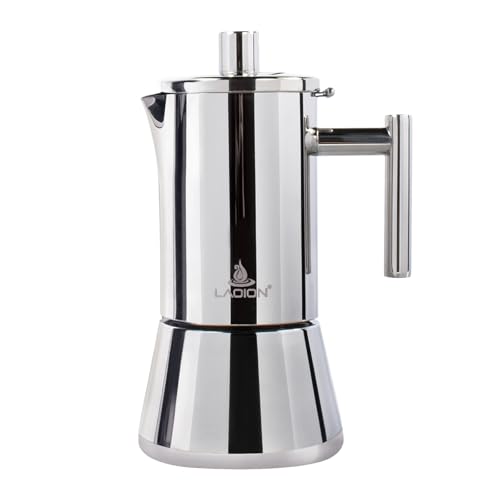
【A Timeless Classic, Reimagined】Elevate your daily coffee ritual with the LAOION Stovetop Espresso Maker. Crafted from premium stainless steel, this elegant coffee pot is built to last. Its sleek design and sturdy construction make it a stylish addition to any kitchen.

【A Timeless Classic, Reimagined】Elevate your daily coffee ritual with the LAOION Stovetop Espresso Maker. Crafted from premium stainless steel, this elegant coffee pot is built to last. Its sleek design and sturdy construction make it a stylish addition to any kitchen.
Conclusion
Brewing with a moka pot on your induction stove is absolutely possible with the right equipment. Whether you choose a specially designed stainless steel pot or use an adapter plate with your traditional aluminum model you’ll still enjoy that rich stovetop coffee experience.
Remember to watch your heat settings as induction cooking delivers power quickly. Match your pot size to the burner for even heating and maintain your pot properly by cleaning after each use without harsh soaps.
The intersection of traditional brewing methods and modern cooking technology doesn’t mean compromising on coffee quality. With these adaptations and tips you’ll continue to enjoy that distinctive moka pot flavor even as you embrace the efficiency of induction cooking.
Frequently Asked Questions
Can you use a regular moka pot on an induction stove?
No, traditional aluminum moka pots won’t work on induction cooktops because induction requires ferromagnetic materials to generate heat. Aluminum is non-magnetic, so it won’t respond to the magnetic field. You’ll need either a stainless steel moka pot specifically designed for induction or an adapter plate to use your aluminum pot on an induction stove.
What makes a moka pot induction compatible?
Induction-compatible moka pots either have a full stainless steel construction or feature a magnetic stainless steel base attached to an aluminum body (hybrid models). The ferromagnetic material in the base allows it to react with the magnetic field of the induction cooktop, generating heat. Look for “induction compatible” on packaging or test with a magnet – if it sticks, the pot will work.
How do I know if my moka pot will work on induction?
Perform a simple magnet test – if a refrigerator magnet sticks firmly to the bottom of your moka pot, it will work on induction. You can also check the packaging or product description for induction compatibility symbols (typically a coil symbol). Stainless steel pots generally work while aluminum ones don’t unless they have a special ferromagnetic plate.
What heat setting should I use for a moka pot on induction?
Use medium to medium-low heat settings on your induction stove. Induction heats more efficiently than gas or electric, so excessive heat can scorch your coffee and create bitter flavors. Start on medium-low, and once brewing begins, consider reducing to low heat. Monitor the brewing process carefully to prevent overheating.
Are stainless steel moka pots better than aluminum ones?
Stainless steel moka pots offer induction compatibility and greater durability, but aluminum pots provide better heat conduction for more consistent extraction. Stainless steel models are dishwasher-safe, don’t develop patina, and won’t corrode or affect coffee flavor. Aluminum pots are lighter and often less expensive. The “better” choice depends on your cooktop and preferences.
How do adapter plates work with moka pots?
Induction adapter plates are ferromagnetic discs that sit between your aluminum moka pot and the induction cooktop. The plate responds to the magnetic field, heats up, and transfers that heat to your aluminum pot through direct contact. While this adds an extra step and slightly reduces efficiency, it allows you to use traditional aluminum moka pots on induction stoves.
Why is my coffee bitter when using a moka pot on induction?
Bitter coffee from an induction moka pot is usually caused by overextraction due to excessive heat. Induction cooktops heat more rapidly and efficiently than gas or electric stoves. To prevent bitterness, use medium-low heat, remove the pot from heat once brewing begins, and consider pre-heating your water to reduce the coffee’s exposure to heat during brewing.
How should I clean my induction-compatible moka pot?
Rinse your induction moka pot with warm water after each use, avoiding dish soap to prevent flavor contamination. Dry thoroughly, especially the stainless steel base, to prevent water spots and corrosion. Periodically check and replace the gasket and filter as needed. For stubborn buildup, use a mixture of water and white vinegar, followed by thorough rinsing.
About The Author
