
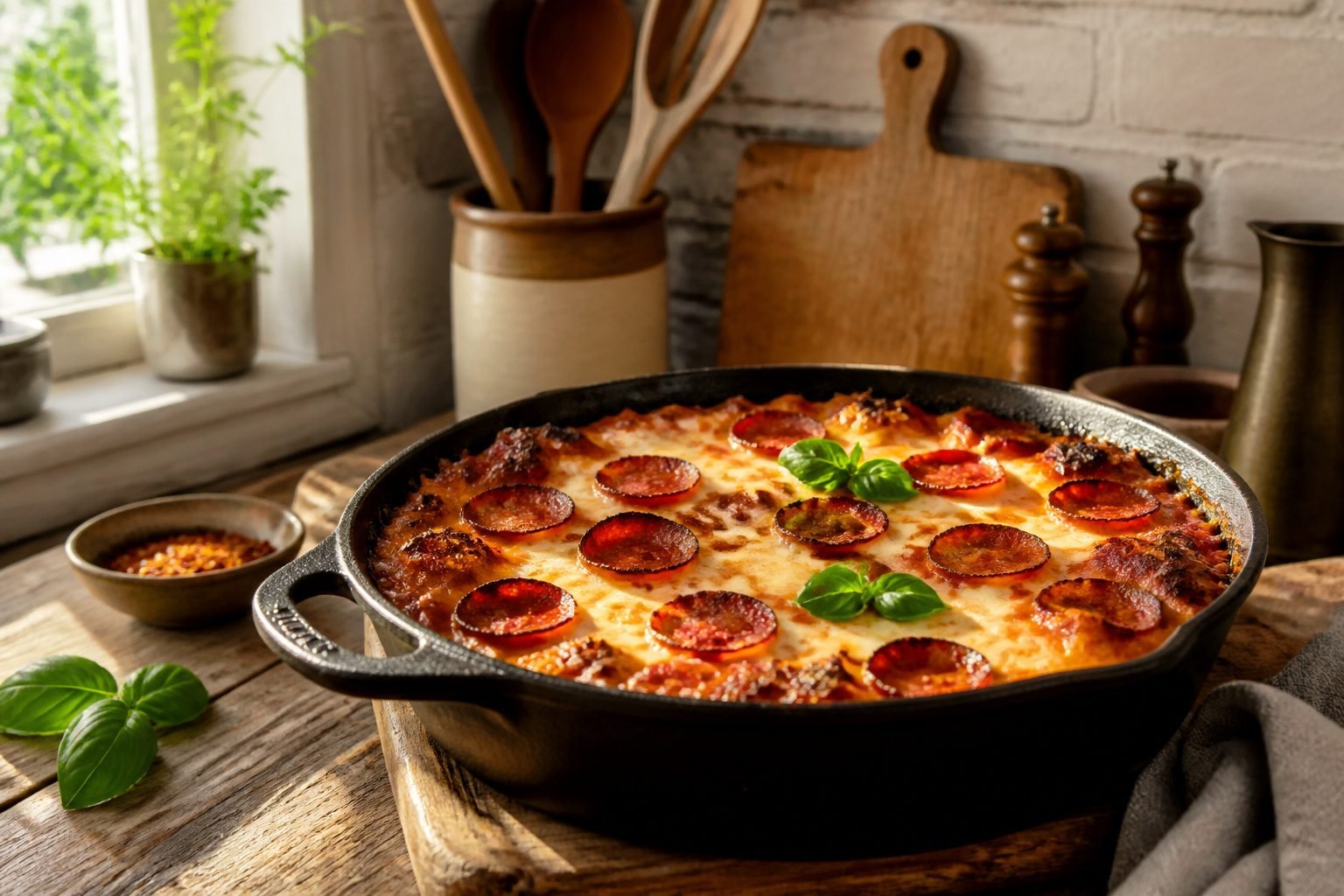
This casserole tastes like a spoonful of actual pizza: bubbling mozzarella, crisped pepperoni, and savory sauce over roasted cauliflower instead of dough.
The difference is roasting the cauliflower first at high heat so it stays dense and nutty rather than turning watery under the cheese. Total time from fridge to table is about 45 minutes.
What This Is and When to Make It

A keto pizza casserole takes everything that works about pizza and bakes it into something you can eat with a spoon.
The idea is simple: layer the sauce, cheese, and toppings you already like over roasted cauliflower instead of dough, then run it under the broiler until the cheese bubbles and the pepperoni curls at the edges.
You get the same salty, savory hit without the carb load.
Most versions land between 7 and 10 grams of net carbs per serving, depending on how heavy you go with the sauce and how much cauliflower you pack in.
The whole thing needs about 45 minutes from the time you pull the cauliflower out of the fridge to the moment you set the hot dish on the table.
One skillet for the stovetop work, one casserole dish for the oven, and that is it for cleanup.
What makes this worth repeating is that it actually improves overnight. The flavors settle, the cheese firms up, and the next day’s lunch reheats without turning soggy.
Recommended Products

Stone-fired crust is crispier than ever!

INDULGE IN PIZZA WHILE STAYING IN KETOSIS: Keto got ya craving? Let’s toss pizza night back into your dinner plans. We’re pleased to present our easy-peasy keto pizza crust mix that’s sure to add some pizazz to your low-carb lifestyle. Fantastic flavor meets tantalizing texture to offer you a pizza dough that's sure to please the whole family. Who knew keto could be so easy?

Ingredients

A full pound of Italian sausage gives this casserole its backbone, though ground beef works just as well if that’s what your store stocks.
I keep a bag of pre-cut cauliflower florets in the freezer for nights when the produce section looks picked over, but a fresh medium head runs about 14 ounces once trimmed.
- 1 medium head cauliflower (about 14 oz), cut into bite-size pieces, or a 12 oz bag of florets
- 1 to 2 pounds Italian sausage, sweet or spicy; casings removed if they come that way
- 1 to 1.5 cups low-carb marinara sauce; Rao’s is the one worth the shelf price
- 12 ounces mozzarella, shredded
- 2 to 4 ounces pepperoni, sliced
- 1/4 cup Parmesan, powdered or grated
- Olive oil for the pan
- Onion, bell pepper, and mushrooms, diced small; amounts to taste and what you have
- Black olives, sliced, if you like them
Recommended Products
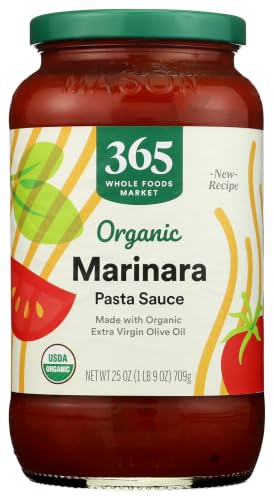
Organic marinara pasta sauce with no added sugar

14 oz organic pizza sauce

BAKE HOMEMADE PIZZA LIKE NEVER BEFORE - We'll bring you Italian pizza right in your kitchen. Enjoy the rich, aromatic and lively flavor of our premium pizza sauce in your very own homemade pizza.
Method

- Heat the oven to 375°F, or push it to 425°F if you want the cheese to blister faster. The lower end gives you more wiggle room; the higher end trades that for speed.
- Steam cauliflower florets in a basket set over a couple inches of simmering water, 5–6 minutes, until tender but still holding shape. Mushy cauliflower turns the whole thing watery.
- Brown your meat in a hot skillet, 5–15 minutes depending on whether you’re working with loose sausage or something denser. Drain the fat or the finished casserole pools grease.
- Sauté onion, pepper, mushrooms, whatever you’re using, 5–10 minutes until softened. Some cooks add garlic in the last minute; others skip it entirely.
- Stir the meat, vegetables, and sauce together in that same skillet. Season now, taste it, adjust. The sauce should already taste like something you’d want to eat.
- Layer into a 9×13 dish: meat and vegetable mixture first, then mozzarella, then pepperoni. Some recipes add ricotta or Parmesan between layers; that makes it richer, though not everyone wants the extra dairy.
- Bake uncovered 10–30 minutes. At 375°F, figure 20 minutes until hot and bubbly at the edges; at 425°F, check closer to 15. The cheese should be fully melted and the pepperoni starting to crisp. Pull it when the top looks right to you.
- Let it sit 5 minutes before serving. Straight from the oven, the layers slide apart; a brief rest lets them settle.
Recommended Products

One 8 ounce bag of shredded low-moisture part-skim Mozzarella Cheese

Brought to you by Whole Foods Market

One 8 oz bag of Kraft Creamy Melt Mozzarella Shredded Cheese with a Touch of Cream Cheese
Yield and Storage

This recipe yields 6 generous servings, enough to feed a family of four with leftovers or stretch across a couple of weeknight dinners.
After baking, the casserole keeps in an airtight container in the refrigerator for up to 4 days, and the flavor genuinely improves after a day in the fridge as the seasonings settle into the cauliflower.
You have two options for freezing. Freeze the unbaked assembled casserole, or freeze it after baking and cooling completely.
Either way, use a freezer-safe container and store up to 3 months. Thaw overnight in the refrigerator before reheating for the best texture, since rapid thawing can cause the cream cheese layer to curdle.
For reheating, microwave individual portions for 1 to 2 minutes, or warm larger amounts in a 350°F oven for about 15 minutes.
Recommended Products

Fully cooked, minimally processed pepperoni crafted using only the best, high-quality meat and spices

The same great Hormel Pepperoni in a larger size!

Meal Prep

Most weeknights, dinner needs to happen without the full production.
This casserole understands that. You can assemble the whole thing, cover it tight, and refrigerate it up to 24 hours before you bake it, which is the kind of head start that makes a real difference when the afternoon unravels.
If you want to break the work across two days, roast the cauliflower and cook the sausage mixture ahead.
Store them separately in the fridge, then layer everything together when you are ready. The components hold fine for 2 days done this way.
For longer storage, freeze the assembled casserole before the final bake. Let it cool completely first, then wrap it well and stash it up to 3 months.
Thaw it overnight in the refrigerator before baking, or plan on a lower oven temperature and a covered bake of 45–60 minutes if you are starting from frozen.
One thing to watch: if your version leans on cream cheese, the texture can shift after freezing and thawing. It still works, but the sauce may not stay as smooth.
Recommended Products

Sausage Casings for Hot Dogs, Brats, & More: Edible 32–35mm hog casings give the classic “pop” for hot dogs, brats, Italian, chicken or turkey sausage, pepperoni, salami, and other homemade ground sausage recipes

Natural, pre-cleaned, and packed in salt, they’re easy to prep and ideal for small batches, family recipes, hunting season, and first-time sausage makers. If you want consistent results and an authentic, handcrafted finish, these casings make it simple.

🌭High quality sausage casings material with HACCP certificate,safe and non-toxic, vacuum sealed package.
Customizations and Substitutions

The base in this casserole is cauliflower, though a meat-based route works if you want something closer to a crustless pizza.
One version uses 12 ounces of cauliflower florets, roughly 4 cups, blended smooth with cheese before baking. Skip the vegetable and you are building a baked meat-and-cheese skillet, which keeps the carb count low but changes the texture completely.
Cheese is where you can shift the flavor.
Mozzarella alone gives that stretchy, mild pull you expect from pizza. A blend of cheddar and mozzarella adds sharper depth, and a half-cup of freshly shredded Parmesan on top creates a crusty, browned lid.
I have tried all three, and the cheddar-mozz mix wins for weeknight interest without losing the pizza vibe.
Toppings follow the same logic.
Pepperoni and olives are the obvious call, but diced bacon or extra vegetables like onion and green bell pepper work if that is what your fridge offers. Just keep sauces sugar-free and meats sauce-free, or the carb math falls apart.
For the finish, baking at 375°F for 20 minutes melts everything through.
A quick broil at the end, 2 to 3 minutes, crisps the cheese and pepperoni edges. Watch it closely; the line between blistered and burnt is narrow, and once you cross it there is no recovery.
Recommended Products

Stone-fired crust is crispier than ever!

EXPERTLY CRAFTED THIN CRUST PIZZA This California Pizza Kitchen Uncured Pepperoni, Mushroom and Sausage Pizza with a crispy thin cauliflower crust delivers exceptional taste with premium ingredients. Including 100% real cheese and a gluten free crust, enjoy a quality homemade pizza, from our kitchen to yours SNAP and EBT item in eligible states

The information below is per-pack only
Nutritional Information

Each serving of this keto pizza casserole lands around 7 to 10 grams of net carbs, depending on the brands you pull from the shelf.
The protein and fat stay substantial, roughly 44 grams and 59 grams respectively, which keeps the dish firmly in keto territory without anyone counting every crumb.
The marinara sauce is where the numbers shift most. Rao’s Homemade Marinara runs 4 grams of net carbs per half cup with no sugar added, and similar no-sugar-added sauces keep the total in that lower range.
A standard jarred sauce with added sugar can push a single serving up by 3 or 4 grams without warning. The sausage matters too, fresh-ground Italian links vary, and some brands add fillers that sneak in carbs.
I check labels on both every time. The half cup of sauce split across six servings is what keeps this reasonable, about 1.75 to 2 grams per portion from the Rao’s alone.
The cauliflower, pepperoni, and cheeses stay reliably low, so the sauce and sausage are your real decision points.
Recommended Products

Bring home the famous taste of Rao's with this 24 ounce jar of Rao's Homemade Sensitive Formula Tomato Sauce - no onions or garlic.

WELCOME TO THE BEST TASTING PREMIUM PASTA SAUCE ON THE PLANET! Our Award-Winning Old-World Italian recipe hails directly from Grandma’s real homemade recipe. You simply will not find a better tasting Marinara!

25 oz organic fat-free marinara pasta sauce
Roasting Cauliflower for Better Texture

Raw cauliflower releases water as it bakes, and that moisture has nowhere to go in a covered casserole. The result is a watery layer beneath the cheese that never quite feels like pizza sauce.
Roasting the florets first at high heat drives off that excess moisture before they reach the casserole dish, and the brief time in a hot oven adds a slight caramelization that deepens into something nutty once the sauce and cheese go on top.
Unroasted cauliflower turns out pale, wet, and lacking the dense, satisfying texture that makes a casserole feel like dinner.
The roasted version held its structure through baking and carried some actual flavor of its own instead of disappearing into the surrounding sauce. The extra pan is worth washing.
Recommended Products

365 by Whole Foods Market products give you that dance-down-the-aisles feeling, virtual aisles too!

One 16-ounce bag of low-moisture part-skim Shredded Mozzarella Cheese

Sargento Mozzarella Shredded Natural Cheese, Traditional Cut brings mild, delicious and creamy flavor to chicken parmesan, meatball subs and pizzas
What to Serve With It

A simple green salad tossed in balsamic vinaigrette is the pairing I keep coming back to.
The tangy dressing cuts through the richness of all that cheese and pepperoni without adding carbs, and it mirrors how I already do pizza night at home.
Roasted green beans work when you want something with more texture. Their slight crunch contrasts the soft casserole, and they finish in about the same time the dish bakes, so neither waits on the other.
For something a little more composed, antipasto vegetables deliver the same Italian flavors on the side.
Think marinated artichokes, roasted peppers, or olives straight from the grocery olive bar. Skip the cloud bread unless you are feeding people who miss bread specifically; it is extra work for a side that the casserole does not need.
If the table is hungrier than usual, zucchini fries breaded in Parmesan and almond flour make a sturdy, scoopable side. They are more filling than salad, though they also mean more pans to wash.
Recommended Products

Frequently Asked Questions
Recommended Products

PERFECT HOG CASINGS FOR FIRST-TIME SAUSAGE MAKING: Our Natural Hog Sausage Casings are ideal for beginners and experts. Perfect for Italian sausage, Polish sausage, bratwurst, jumbo hot dogs, and country pork sausage, the pork casings are crafted in manageable 3-6 ft. lengths to offer a smooth and hassle-free sausage-making experience.
High quality sausage casings material with HACCP certificate,safe and non-toxic, vacuum sealed package.

Exceptional Culinary Convenience: Our edible Collagen Fresh Casings provide an easy solution for creating perfect sausages every time. No preparation is needed; just slide them onto your stuffing tube and watch as uniformly-sized sausages emerge!
Can I make keto pizza casserole ahead of time?
Yes.
Assemble the whole dish, cover it tight, and refrigerate up to 24 hours before baking. The components also hold fine for 2 days if you roast the cauliflower and cook the sausage mixture ahead and store them separately.
What is the best sauce for keto pizza casserole?
A no-sugar-added marinara keeps the carb count in range.
Rao’s runs 4 grams net carbs per half cup and is worth the shelf price. Standard jarred sauces with added sugar can push a single serving up by 3 or 4 grams without warning.
How do you keep the casserole from being watery?
Steam or roast the cauliflower first to drive off excess moisture before it reaches the dish.
Raw cauliflower releases water as it bakes, and that moisture has nowhere to go in a covered casserole. Roasting at high heat also adds slight caramelization that deepens once sauce and cheese go on top.
What toppings can I use?
Any low-carb toppings you already like on pizza work here.
Pepperoni and olives are the obvious call, but diced bacon, onion, green bell pepper, mushrooms, or whatever your fridge offers all fit. Just keep sauces sugar-free and meats sauce-free, or the carb math falls apart.
What can I use instead of pasta in pizza casserole?
Cauliflower is the standard base here. A meat-based route works too, though skipping the vegetable entirely turns this into a baked meat-and-cheese skillet, which keeps carbs low but changes the texture completely.
What are the ingredients in a 3-ingredient keto pizza crust?
The casserole in this recipe uses cauliflower, Italian sausage or ground beef, low-carb marinara sauce, mozzarella, pepperoni, and Parmesan as its core ingredients.
About The Author
