
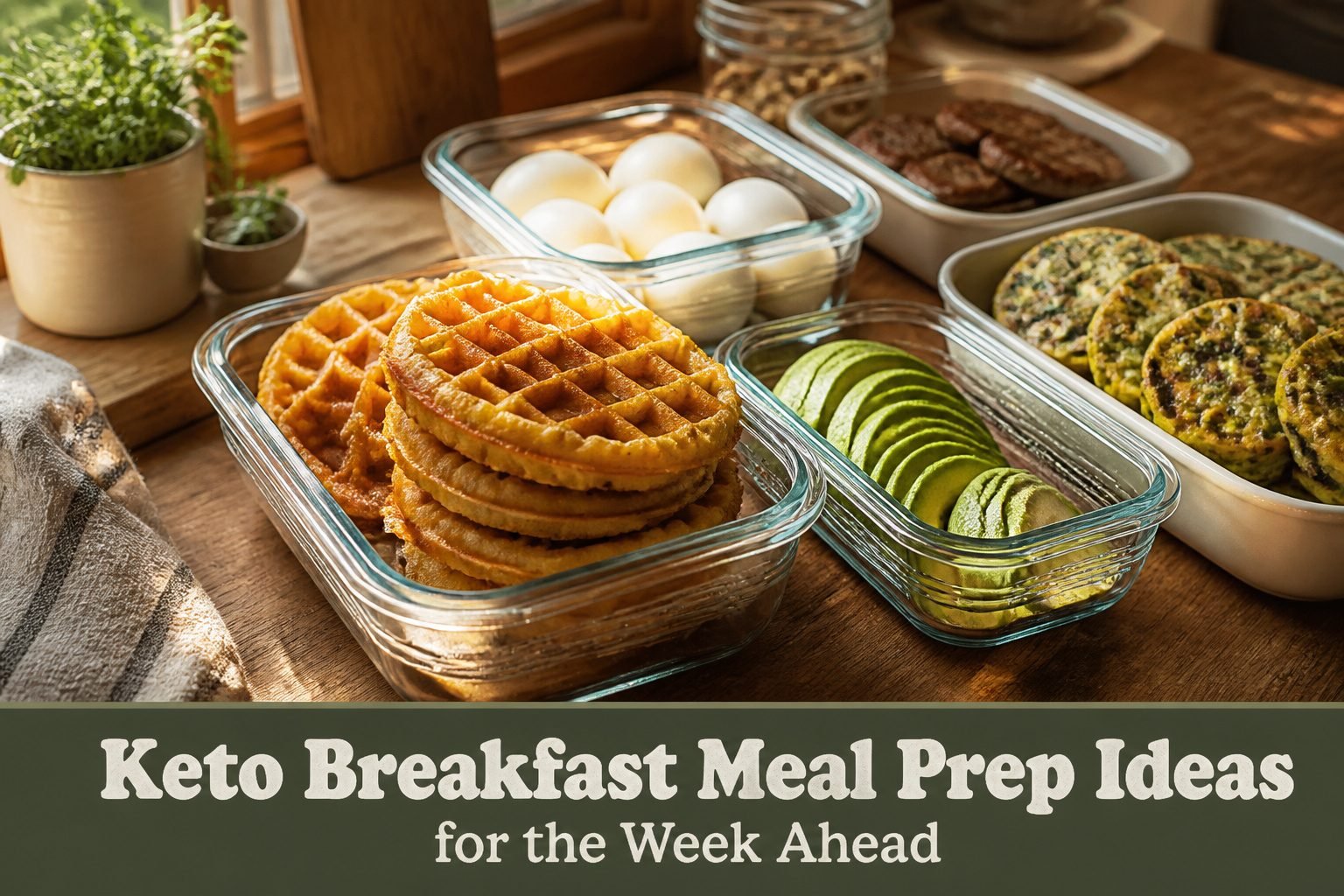
The right keto breakfast meal prep depends on how many mornings you need covered before texture turns against you. Most of these recipes hold for five days refrigerated, though eggs tighten and chaffles go leathery past two.
The chaffle’s 1 gram of carbohydrate per waffle makes it the tightest macro fit, but only if you own a mini iron and seal them within ten minutes of cooking.
1. Keto Breakfast Bowls

The build-your-own bowl approach starts with 2 pounds ground breakfast sausage, 10 to 20 eggs, and 8 ounces sharp cheddar cheese.
Cook the sausage first, drain it well, and let it cool before it ever touches a container. Wet ingredients steam everything else into a sad pile by Wednesday.
Eggs need low heat and a quick exit from the pan.
Scramble them until they just barely set; they will finish cooking when reheated. Pull them while they still look slightly wet is the difference between Tuesday breakfast and Tuesday rubber.
Roasted cauliflower holds its shape and soaks up flavor without adding moisture.
Bell peppers keep some crunch if you sauté them first. Onions soften fine, but zucchini or spinach will weep and collapse by Thursday; leave them out of a five-day batch.
Layer cauliflower first, then sausage, eggs, and cheese on top.
The cheese acts as a barrier between egg and lid, so it melts rather than fries. Glass containers work if they are large enough to keep ingredients in distinct strata; too small and everything mashes together on the first stir.
Refrigerate for up to five days. Freeze anything past that line, and accept that thawed eggs will never be quite as tender.
Recommended Products
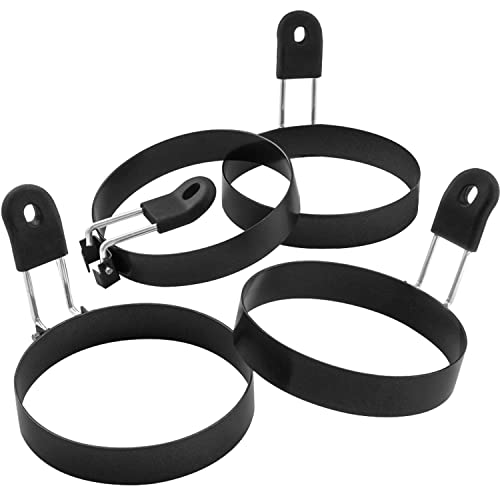
PERFECT ROUND EGGS EVERY TIME- Crafted from premium food-grade stainless steel, Featured heat-resistant silicone handles that fold flat for easy storage and safe flipping. Smooth bottom& burr-free EdgesSay goodbye to messy, leaking egg whites.
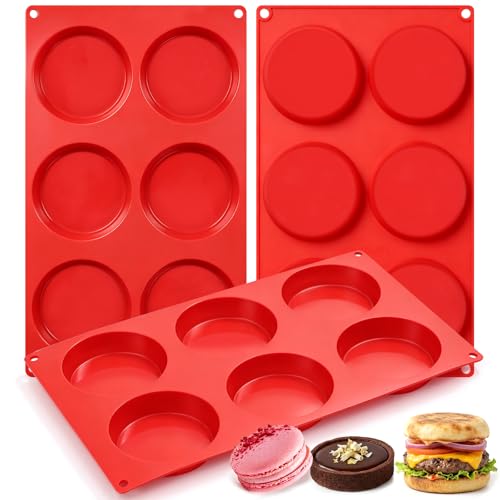
Food Grade Egg Pan: 100% food grade silicone, Each Cup diameter top: 3 inch, cup depth: 0.7 inch, it’s a value pack, come with 3 pcs of silicone egg molds, you could baking more treats at a time, save time, save money
2. Egg Muffins

Egg muffins land at 140 calories, 10 grams of fat, 2 grams of carbs, and 10 grams of protein each, which makes them an easy sell for keto breakfast meal prep.
The method is straightforward: beat eggs, fill a greased muffin tin, bake until set.
Where they fail is the soggy bottom, and that failure comes from water-releasing vegetables. Raw spinach, mushrooms, and tomatoes all leak moisture into the egg base as it bakes, pooling underneath and turning the muffin rubbery by day three.
Cooking those mix-ins first, draining them well, and blotting with a paper towel before they ever reach the egg mixture solves it.
Cheese and pre-cooked meats like ham or bacon do not cause the same problem, so they are the safer path if you want to skip the extra pan.
I have learned to fill the cups no more than three-quarters full; the egg puffs in the oven and collapses as it cools, and an overfilled cup makes a mess that wastes the batch.
Recommended Products

Meet Your Daily Needs: DOWAN larger and deeper ceramic baking dish measures 15.6"L x 9.3"W x 3.1" H (including handle size)-135 OZ, sized perfectly for cooking lasagna, casseroles, chicken, roast, bread, pasta, beef, and more. Whether you're cooking a family dinner or serving food, this versatile casserole dish has got you covered.

Versatile Size for Culinary Creations: With a size of 9.1 x 5.5 x 2 inches and a capacity of 20 ounces, this 6 pieces set of oval baking dish is the perfect size for baking, roasting, and serving various dishes, including au gratin potatoes, roasted vegetables, pasta, lasagnas, pot pies, beef stew, casseroles, fruits and more

3. Breakfast Casseroles

A full casserole feeds twelve without any extra pans to wash, and that efficiency matters on a Sunday when the week ahead already feels too full.
The numbers from Taste of Home’s recipe land at 288 calories, 23g fat, 3g carbohydrates, and 16g protein per serving, which keeps you in ketosis without the portion math of individual cups or wraps.
Start your day with this high-protein, low-carb, keto-friendly breakfast casserole. Stuffed with ingredients like bacon, sausage, zucchini, red peppers and Gruyere cheese, it’s a meal brimming with big flavors.
What this means: you are not improvising with breakfast scrambles at 6 AM. You are slicing a solid block that holds its shape because it cooled completely before you cut it.
The cutting matters. Let the bake rest at least twenty minutes out of the oven, then use a sharp knife and a single confident press rather than a sawing motion.
A standard 9-by-13-inch metal pan is what actually fits in a home oven without blocking airflow or forcing you to remove a rack. Glass works, but the edges stay softer and the first slice out crumbles.
Cut into twelve even portions, transfer to containers once fully cool, and refrigerate up to five days. Reheat covered at 325°F for fifteen minutes, or accept that the microwave trades texture for speed.
Recommended Products

One 7 oz, single serve Jimmy Dean Sausage, Egg and Cheese Breakfast Bowl

One 7 oz, single serve Jimmy Dean Delights Turkey Sausage Breakfast Bowl

One 3 oz cup of Just Crack an Egg Ultimate Sausage Scramble Kit with potatoes, mild cheddar cheese, pork sausage, onions, green and red peppers
4. Smoothies

Smoothies work best when you prep everything except the blending. Pre-blending and storing in the fridge turns protein powder gummy and separates the fats into something you would not want to drink.
Freezer bags with frozen components solve this: portion your berries, spinach, and protein into individual bags, freeze flat, and blend with liquid the morning of.
Fat source matters more than most people expect. MCT oil or coconut oil emulsifies cleanly into a smooth, creamy texture.
Olive oil, even the good extra-virgin kind, breaks into an oil slick on top within minutes of blending. I have poured out too many oily smoothies to recommend it.
For the liquid, coconut milk keeps carbs low where dairy milk does not. Monk fruit extract works as the sweetener if you need one.
Seal the bags well, flash freeze on a sheet pan for 30 minutes before stacking, and they keep 1–2 months without freezer burn. Thaw overnight in the fridge, or blend straight from frozen with a little extra liquid.
Recommended Products

Many Minis at Once: This multi mini waffle iron cooks four 4-inch mini waffles at the same time; perfect for family and kids' breakfast, entertaining, or making batches to freeze

CleanCoating Ceramic Cooking Surface: This Mini Waffle Maker has a Ceramic Nonstick coating for easy food release and quick cleanup, making everyday breakfasts simple
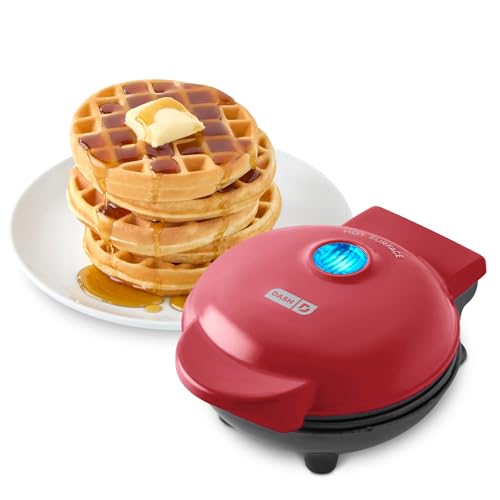
Mini Waffle Magic: The Dash Mini Waffle Makeris a compact, lightweight device that quickly creates delicious waffles with a quick heat-up system and even heating surface
5. Pancakes and Waffles

Freezing pancakes or waffles flat on a sheet pan before bagging keeps them from fusing into a single brick you have to chip apart with a butter knife.
Once they’re solid, stack them with parchment between layers and they’ll separate like commercial frozen ones.
The almond-to-coconut flour ratio determines whether they bend or crack; too much coconut flour and the batter turns stiff and the cooked pancake snaps when folded.
Almond flour gives pliability, coconut flour adds structure and absorbs moisture, and most recipes use both.
Reheating matters as much as the mix. A toaster restores the crisp edges and keeps the interior from turning rubbery; the microwave softens everything uniformly but trades texture for speed.
For the macros, each serving lands at 22 grams fat, 6 grams net carbs, and 8 grams protein, which fits a keto breakfast meal prep without requiring you to think at 6 AM.
Recommended Products
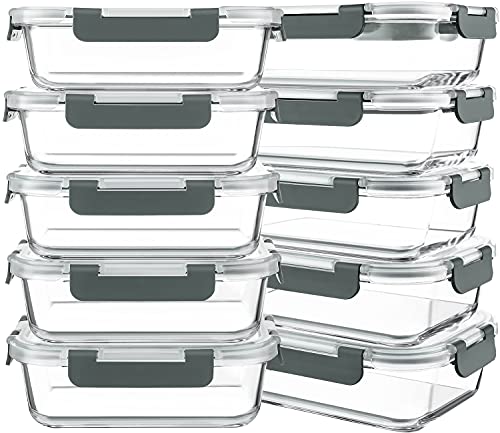
GLASS MEAL PREP CONTAINERS 10 PACKS: Buying our versatile glass containers sets (10 plastic lids & 10 glass containers) size: 30 Oz, you'll have a set of 10 food storage containers. Ideal for both meal prepping and storing leftovers, snacks, using for gym, office lunches, travel, picnics and more.

GREAT SIZE: Our 10 glass sets (10 lids and 10 containers) size: 7.8(inch)x5.7(inch)x2.5(inch),Capacity: 860ml (30oz). It is great for meal prepping and food storage. Great for storing leftovers and better organize your refrigerator. Great for a variety of occasions and events:gym,leftovers,picnic,portion control,work lunches,travel and more.
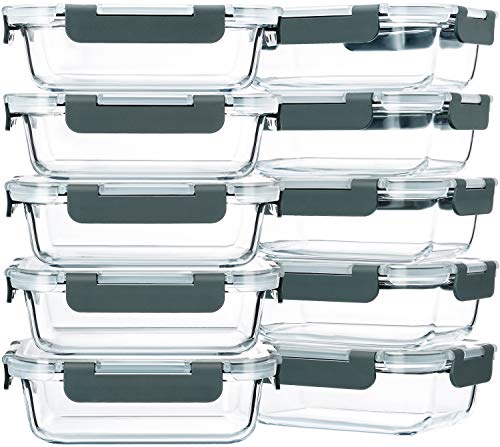
10 PACKS GLASS MEAL PREP CONTAINERS: With 10 packs 22oz (6.7 in x 4.9 in x 2.1 in) single compartment food Prep Containers with Lids, They are great for meal prepping. Save time by cooking and freezing your meals for later
6. Chaffles

The chaffle lands at 151 calories, 12g fat, and 1g carbohydrate per waffle, which is why it keeps showing up in keto breakfast meal prep conversations. Two ingredients, six minutes, done.
You need the iron. A standard Belgian waffle maker spreads the egg-and-cheese mixture too thin across a wide grid, and what should crisp instead welds itself into the crevices.
A mini waffle iron, roughly the diameter of a slice of sandwich bread, contains the batter and gives you the right thickness for actual structure.
They come out of the iron genuinely crisp, almost lacy at the edges.
That texture holds for maybe ten minutes. After that, steam trapped inside turns them leathery, then cardboard.
For meal prep, the timing matters more than the storage method. Refrigerating within that first ten minutes locks in some of the snap; sealing them while still warm condemns the whole batch to rubber.
Two days in the fridge is the practical limit before they cross into territory where even a toaster oven struggles to revive them.
Recommended Products

Used Book in Good Condition


Food Grade Silicone: Food grade silicone, BPA Free, Each Cup diameter top: 3 inch, cup depth: 0.7 inch, it’s a value pack, come with 3 pcs of silicone egg molds, you could baking more treats at a time, save time, save money
7. Breakfast Burritos

Not every keto-friendly wrap survives the freezer, and the ones that do not announce themselves on the package. Coconut wraps turn gummy once thawed, a texture that only gets worse after a day in the fridge.
Almond flour and egg-white wraps hold their structure better, though even those vary by brand enough that one batch in your own freezer settles the question faster than any label.
The egg goes in last, and it stays cold until then. Cook your peppers and protein first, spread them across the wrap, and let them cool fully before the egg touches down.
A warm scramble against the wrap traps steam that turns the whole thing soggy by Wednesday. Layer cheese between the egg and the wrap if you want insurance, but the real fix is temperature discipline at assembly.
Taco seasoning in the egg mix, as one approach has it, gives the whole burrito enough flavor that you are not relying on hot sauce later.
Sausage or bacon crumbled in adds fat that helps the macros and keeps you full past 10 a.m., which is the point of this exercise. Roll them tight, seam down, and freeze flat so they stack without gaps.
Recommended Products


【MEET YOUR ALL NEEDS】MALACASA casserole dishes for oven measure 15.6"L x 9.2"W x 3.1"H (including handle size)-142 OZ, straight-sided design allowing it to hold a larger capacity. Perfect for cooking lasagna, casseroles, chicken, roast, bread, pasta, beef, and more. Whether you're preparing a family dinner or serving, this versatile casserole dish has got you covered.
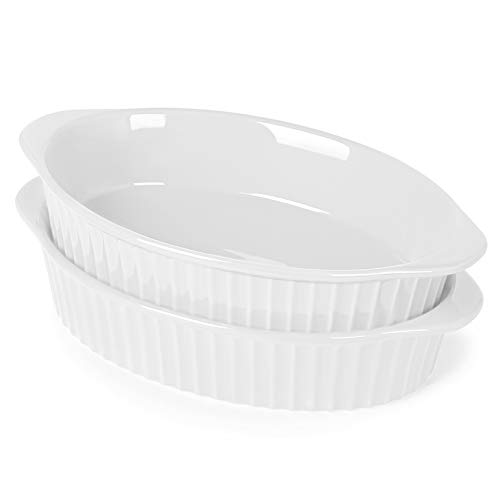
Oval design: The size is 8.7"Lx5.3"Wx1.8"H.Baking dish set for 1 or 2 person servings
8. Frittatas

A 10-inch oven-safe skillet holds the eight eggs that give you eight proper wedges, not the six skimpy ones a smaller pan forces.
I start on the stovetop because the bottom sets faster and cleaner than any crustless quiche baked straight through, which leaves you with that stubborn half-inch of unset egg in the middle come Monday morning.
The vegetables decide whether your center stays wet.
Spinach, mushrooms, zucchini, bell peppers, whatever’s softening in the drawer, they all need to hit the pan first and cook down until the water they threw off has completely evaporated. Skip that step and the steam stays trapped.
The eggs never fully set. You slice into a puddle instead of a wedge.
I brown sausage in that same skillet, pull it, cook the vegetables down, then pour the beaten eggs over everything and let it sit just long enough for the edges to pull away. The oven finishes it at 400F.
Twenty minutes, sometimes twenty-five if I went heavy on the mix-ins. Let it cool in the pan before you cut, or the wedges crumble into scramble.
Recommended Products

One 2.25 oz cup of Just Crack an Egg Meat Lovers Scramble Kit with sharp cheddar cheese, pork sausage and bacon


One 4 count package of Jimmy Dean Delights Turkey Sausage, Egg White and Cheese English Muffin Breakfast Sandwiches
9. Breakfast Skillets

Hash-style breakfast skillets work best as a component system, not a finished dish.
Roasted cauliflower forms the base that holds up through the week; roasting drives off moisture so it does not turn soft when reheated, while other vegetables break down faster than you would want.
Pre-cooked breakfast sausage only needs a quick warm-through, diced and scattered over the top. The reader’s morning then becomes a matter of scooping the hash into a pan, heating until it sizzles, and finishing with whatever they like.
Cheese goes on at the very end, after the heat is off. Melted cheddar or mozzarella that cools and reheats turns rubbery; the texture is not worth saving five seconds.
Layer the cauliflower and sausage into containers with space left at the top, and the eggs can be scrambled fresh in two minutes, or cooked over the hash itself if time allows.
Recommended Products

[Speedy Morning Solution]: With a high-efficiency heating system that delivers consistent, even heat, this waffle maker whips up two perfectly golden, fluffy waffles in minutes—ideal for hectic mornings or lazy weekend brunch gatherings. Or make a batch ahead, freeze them, and pop them in the toaster whenever you're ready to eat!

MAKES 1 OR 2 DELICIOUS WAFFLES IN 2.5 MINUTES: Prepare waffles fast with this double waffle maker. It lets you quickly make fresh, hot waffles to feed the whole family or make a batch ahead, freeze and heat in the toaster when it's time to eat.

[Speedy Morning Solution]: With a high-efficiency heating system that delivers consistent, even heat, this waffle maker whips up two perfectly golden, fluffy waffles in minutes—ideal for hectic mornings or lazy weekend brunch gatherings. Or make a batch ahead, freeze them, and pop them in the toaster whenever you're ready to eat!
10. Overnight Chia Pudding

Chia pudding is the no-cook breakfast that actually earns its place in a meal-prep rotation. Five minutes of measuring and stirring at night, and the texture is ready by morning.
The ratio that separates pudding from soup is roughly four parts liquid to one part chia seeds by volume; less liquid and you get something closer to tapioca, more and the seeds swim instead of gel.
Whole seeds work better than ground. Ground chia turns muddy and dense as it hydrates, while whole seeds stay suspended in distinct, soft beads that give the pudding its character.
The seeds absorb liquid slowly, which is why the overnight rest matters; a quick thirty-minute soak leaves crunch in the center.
For sweetening, monk fruit extract or another liquid sweetener dissolves cleanly in cold liquid.
Granular erythritol or allulose can sit in gritty pockets at the bottom of the jar unless you warm the base first, and that defeats the no-cook appeal.
A pinch of cinnamon helps the flavor read as breakfast rather than dessert. Skip the fruit or jam, or keep it to a small handful of berries, and the carb count stays where keto needs it.
Recommended Products

10 PACK GLASS MEAL PREP CONTAINERS: With 5 packs 34oz containers and 5 packs 13oz containers, they are great for meal prepping. Save time by cooking and freezing your meals for later
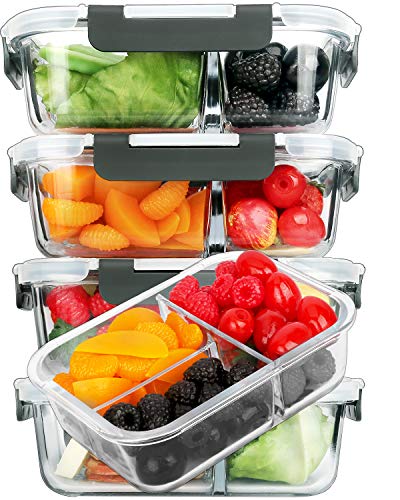
PREMIUM BOROSILICATE GLASS:Our glass storage containers are made from premium borosilicate glass, which is stronger than others' glass food storage containers

High-Quality Material: Skroam glass food storage containers with lids for Everything! Our meal prep container glass set is made from high-quality borosilicate glass with a BPA-free lid, go straight from the refrigerator to the microwave or oven to the table, helping you enjoy hot meals anytime
Proteins That Hold Up

Pre-cooked sausage links cut active cooking time to about 10 minutes, but not every brand survives reheating with its flavor intact.
Applegate chicken and apple sausage holds up well in the fridge, as does AmyLu’s chicken sausage; both stay under 2g carbs per link.
Raw breakfast sausage browns better in a skillet, though some render out so much fat that the meat turns dry and salty by day four. Check labels for added sugar, which varies by brand and can spike carb counts unexpectedly.
Eggs are less forgiving. Scrambled eggs cooked low and slow hold moisture longer, yet even they tighten up after a couple days.
Pre-cooked sausage layered into breakfast bowls with roasted cauliflower and sharp cheddar gives you a protein base that reheats without the texture turning rubbery.
Freezing buys you more than five days; refrigeration only works if you will eat through the batch within that window.
Vegetables That Last the Week

Bell peppers, spinach, and zucchini each carry a water problem into keto breakfast meal prep, but the fix differs for each.
Zucchini is the one that goes limp and weepy by Wednesday; salting the slices and pressing them dry before any cooking keeps them respectable through Friday.
Spinach wilts to almost nothing, so what looks like too much raw packs down to a whisper; cook it first, squeeze it hard, then portion.
Bell peppers hold up the best of the three, staying crisp and presentable all week with no special treatment beyond a dry paper towel in the container.
The mistake is prepping all three the same way: raw zucchini in a Monday container turns to soup, while raw spinach just shrinks and looks sad.
Cook the zucchini and spinach, leave the peppers raw or barely blistered, and store each separately until assembly.
Containers That Actually Work

Glass containers with tight-fitting lids are the first choice for anything that will sit more than a couple of days, though they come with a real limitation: moving them straight from freezer to microwave risks shattering from rapid temperature change, so letting them warm on the counter for 30 to 40 minutes is non-negotiable.
For anyone who needs to grab and heat without that wait, disposable bamboo bowls or compostable paper plates go from freezer to microwave without the same risk, though they need to be covered tightly before freezing and they will not hold up to repeated handling.
Plastic, even PBA-free versions, is not worth the tradeoff here. The repeated heating needed to rewarm breakfast breaks the material down more than the convenience justifies.
For portion size, 1 to 1½ cups of a cooked mixture fits a single breakfast serving without leaving the container half-empty and sliding around in a bag.
Mason jars work for layered builds, but a shallow 2-cup rectangular glass container heats more evenly and lets you eat straight from it, which matters on mornings when dishes are not happening.
Swaps and Substitutions

Swapping proteins in keto breakfast meal prep is where most people accidentally blow their macros. Breakfast sausage carries roughly 14 grams of fat and 5 grams of carbs per 4-ounce serving, while turkey sausage drops that fat number hard.
The carbs stay similar, so the swap works if you are chasing lower fat for the day, but it shifts the whole meal away from ketosis-friendly ratios unless you add something back.
Ground pork or chorizo keeps the fat high and the flavor loud, which matters when you are eating the same jar four mornings straight.
Vegetables are safer territory. Peppers, spinach, and mushrooms all keep net carbs low and bulk up the portions without much risk.
The danger is onion; even half a medium yellow onion can add 4 to 6 grams of net carbs, which is a quarter of a strict daily budget gone before you taste it.
I dice shallot or use scallion tops when I want that allium hit without the carb load.
Dairy-free is where coconut cream gets tricky. The canned coconut cream that whips like dairy has to be the full-fat kind separated from the water, chilled overnight, with the thick layer scooped from the top.
The pourable coconut milk in cartons stays liquid and carries added sugars that wreck macros fast. For a cheesy flavor without cheese, nutritional yeast works; for creaminess, sliced avocado after reheating covers what the coconut cream would have given.
Greek yogurt at 0 grams fat and 5 grams carbs per serving is a dairy option that keeps protein high, though it does not replace the fat you might need to hit your targets.
Frequently Asked Questions
How do I meal prep keto breakfasts?
Cook proteins and vegetables fully, cool them completely before they touch a container, and store in 1 to 1½ cup portions.
Wet or warm ingredients steam everything else into a sad pile by midweek, so drainage and cooling are the steps that separate a five-day breakfast from a Wednesday disappointment.
What are some easy keto breakfast ideas?
Egg muffins, breakfast bowls, casseroles, chaffles, and overnight chia pudding all work well. Each takes under an hour on Sunday and holds for three to five days in the fridge, or longer in the freezer.
Can I make keto breakfast burritos?
Yes, but pick the wrap carefully.
Almond flour or egg-white wraps freeze better than coconut wraps, which turn gummy. Cook and cool your fillings before assembly, put the egg in last while it is still cold, and roll them seam-down before freezing flat.
What is the best breakfast for a keto diet?
There is no single best; the one you will actually eat on a Tuesday morning wins. A breakfast bowl with roasted cauliflower, sausage, eggs, and cheddar reheats reliably and keeps you full past 10 a.m. without carb counting at dawn.
How many eggs can I have for breakfast on keto?
Your own protein and fat targets for the day are the limit; eggs carry roughly zero carbs, so they do not threaten ketosis.
About The Author
