
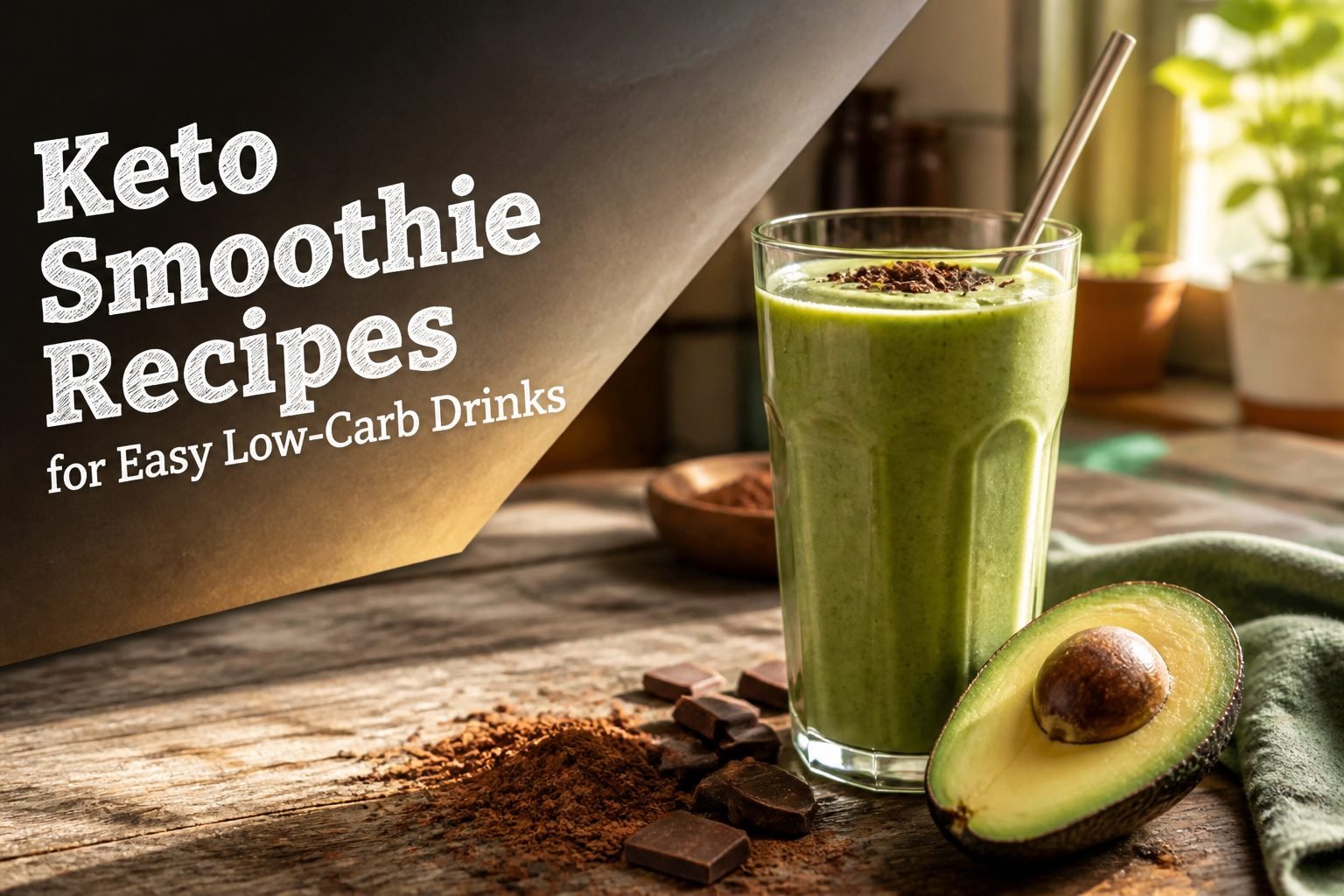
The difference between a keto smoothie that holds you until lunch and one that leaves you hungry by ten is whether the fat content crosses into meal-replacement territory.
Most recipes fail that test because they treat almond milk and ice as the base instead of avocado, heavy cream, or frozen coconut milk.
A peanut butter chocolate blend built on 1/3 cup heavy cream, 2 tablespoons peanut butter, and a scoop of protein powder lands at 41 grams of fat and 34 grams of protein, which is the threshold where satiety actually happens.
1. Avocado Smoothie

Two large avocados form the creamy base that makes this smoothie worth the blender cleanup.
The fat content here is what keeps hunger away until lunch, something I notice most on mornings when I would otherwise be raiding the pantry by ten.
Unsweetened almond milk thins the mixture without adding carbs, and a full cup of ice gives it body without diluting the flavor the way water would.
The half lime does more than brighten the taste. Without it, avocado oxidizes fast enough that the color turns by the time you reach the bottom of the glass, and the flavor flattens into something closer to oil than fruit.
Two tablespoons of sugar-free syrup rounds out the tartness, though I have used less when the avocados were especially ripe and sweet.
Blend on high until the mixture pulls away from the sides in thick ribbons; if it stalls, add almond milk a tablespoon at a time rather than tipping in extra syrup, which quickly goes from subtle to cloying.
Recommended Products

HEALTHIER LIFESTYLE: The original nutribullet has everything you need to take that first step toward a healthier lifestyle

POWERFUL BLENDING PERFORMANCE: With 700 watts of peak blending power and stainless steel Ice Sabre blades, this protein shake blender gives you all the power you need to make smoothies, protein shakes, frozen drinks and more.

NINJA BLENDING ANYWHERE: Blast through frozen ingredients with Ninja’s best portable blending power. Make perfectly smooth drinks anywhere you go.
2. Mixed Berry Smoothie

Frozen mixed berries can work on keto if you watch the math.
Raspberries and blackberries run about 3g net carbs per half cup, strawberries around 4.5g, but blueberries jump to 8.5g for the same amount. I keep my blend heavier on the first two and lighter on anything else.
For this smoothie, I use 1 cup frozen mixed berries, 1 cup unsweetened almond milk, 1 tablespoon chia seeds, and 1 cup ice. The chia seeds matter more than most people expect.
That single tablespoon adds roughly 5g of fiber, which gets subtracted from total carbs to reach your net count. Without it, you are drinking a bigger portion of your daily limit than the fruit alone suggests.
The chia also thickens the texture enough that the ice does not water everything out. I have made this with and without letting the seeds hydrate first, and the five-minute soak wins for consistency.
The berries carry enough sweetness that you will not miss added sugar, though a pinch of salt brightens the flavor in a way that took me several tries to notice.
Recommended Products

𝗣𝗿𝗲𝗺𝗶𝘂𝗺 𝗤𝘂𝗮𝗹𝗶𝘁𝘆 & 𝗡𝘂𝘁𝗿𝗶𝗲𝗻𝘁-𝗗𝗲𝗻𝘀𝗲 𝗣𝗿𝗼𝗳𝗶𝗹𝗲: Z Natural Foods' nutrient-dense heavy cream powder is made from fresh, high-quality cream sourced from USA dairy farms, containing balanced amino and fatty acids — delivering a healthy, wholesome addition to your favorite recipes.

One 16 fluid ounce carton of Heavy Whipping Cream, Ultra-Pasteurized

ORGANIC COCONUT CREAM - A staple of Thai, Indian & Caribbean cuisines, coconut whipping cream imparts rich & creamy goodness & makes a delicious ingredient in soups, sauces, desserts & beverages
3. Peanut Butter and Chocolate Smoothie

The first time I tried to make a keto chocolate smoothie, I used sweetened cocoa and wondered why it tasted like dessert but left me foggy an hour later.
Unsweetened cocoa is what makes this work. Two tablespoons of peanut butter and 1 tablespoon of unsweetened cocoa powder build something that reads milkshake-thick without the sugar crash, and the cocoa’s natural bitterness keeps the peanut butter from running too sweet.
I blend it with 1 cup unsweetened almond milk and 1 cup ice until the texture turns creamy, not slushy. If it comes out thin, another spoon of peanut butter fixes it; too thick, and a splash more milk does the job.
The unsweetened cocoa matters more than the brand, but don’t swap in Dutch-processed unless you want a darker, flatter drink that tastes like something missing.
Recommended Products

Organic Cacao Powder - Experience decadent, rich, dark chocolatey goodness with our pure, organic cacao powder. The aroma of rich dark chocolate not only tantalizes your senses but also delivers a guilt-free indulgence, crafted with no added sugar.

Organic Cacao Powder - Experience decadent, rich, dark chocolatey goodness with our pure, organic cacao powder. The aroma of rich dark chocolate not only tantalizes your senses but also delivers a guilt-free indulgence, crafted with no added sugar.

CRUNCHY CHOCOLATE CHIP: Unsweetened dark chocolate as Mother Nature made it! Cacao nibs are made from gently crushed, whole cacao beans and add a toothsome chocolatey crunch to any dish. Not a melting chocolate.
4. Strawberry Banana Smoothie

The strawberry banana smoothie is where I learned that banana extract is the move here; real banana would blow the carb budget at roughly 31g of carbs per banana, while the extract gives the flavor without the sugar.
I use 1/2 cup almond milk, 1/2 cup heavy cream, 1 tbsp erythritol, 2 tbsp frozen strawberries, 1/2 tsp banana extract, and 1/2 cup ice. The whole thing blends in about 3 minutes and yields one serving.
Some sources say you can fit half a banana into keto if you keep everything else that day very low-carb, but I would rather save the real fruit for something where texture matters and let the extract do the work here.
The cream and almond milk give it enough body that you are not missing the frozen banana thickness.
Recommended Products

Protein power: with 7g of protein 7% DV in one serving of Organic PBfit, you can get a boost of protein right after your workout at the gym. Try adding it to the protein powder you already use or use it in your morning smoothie for a delicious protein boost. Great for men and women

24 g High-Quality Whey Protein per Scoop – 100% of the protein from whey for a fast-absorbing, complete protein source that supports muscle maintenance and growth.
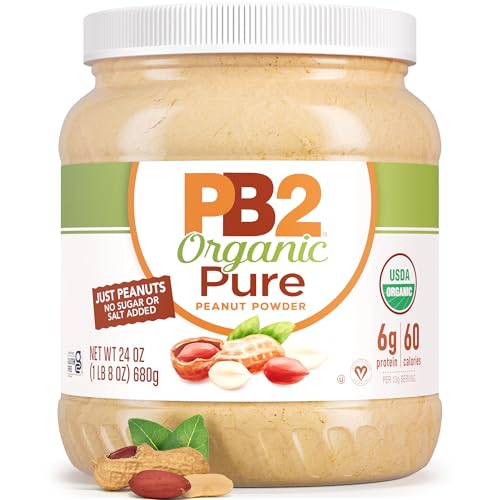
One Ingredient, Certified Organic – Made from only USDA Certified Organic roasted peanuts for pure, natural peanut flavor. No added sugar, salt, or preservatives—ever. Clean label, plant-based, and made for healthy eating.
5. Spinach Strawberry Smoothie

Spinach disappears into a strawberry smoothie more completely than any other green I’ve tried. The leaves break down into nothing but color, no grit, no grassy aftertaste, just enough body to make the drink feel substantial.
Strawberries carry the flavor at 4.5 g net carbs per half cup, which sits higher than raspberries or blackberries at 3 g but still fits a keto day without strain.
Kids who side-eye anything green will drink this without a pause, so the milder flavor is worth the familiar look.
Frozen cauliflower rice works the same way, adding bulk that tastes like nothing, though spinach brings iron and magnesium without the freezer space.
I blend the greens with liquid first, then add the berries once the leaves are fully broken down.
One tip: fresh spinach wilts into silkier texture than frozen, which can leave faint flecks. Half a cup of strawberries keeps the carb count tight while still reading as dessert, not salad.
Recommended Products

SUPPORTS DIGESTION DAILY: High in natural fiber to support regular digestion and help you feel balanced throughout the day as part of a healthy routine. Natural source of fiber and lignans to support digestive health and help promote your weight goals as part of a balanced diet.

SALVIA HISPANICA: Chia seeds are harvested from a variety of mint native to South and Central America, where they've been enjoyed for centuries in hydrating and energizing beverages and snacks.

Nutrient-Dense Whole Chia: USDA organic whole chia seeds with plant-based omega-3, fiber, plant protein, calcium, iron, and magnesium; a simple daily superfood boost.
6. Chocolate Almond Protein Shake

The chocolate almond protein shake is where I learned that 1 scoop of chocolate protein powder to 1/3 cup heavy cream and 1/3 cup unsweetened almond milk is the ratio that keeps the macros in check without turning breakfast into a carb load.
Two tablespoons of peanut butter and 1 tablespoon of sugar-free maple syrup round it out. The peanut butter adds thickness and staying power; the sugar-free syrup keeps the chocolate from reading as bitter without sneaking in actual sugar.
Ice is the variable. One to two cups, depending on whether you want something drinkable through a straw or thick enough to eat with a spoon.
A pinch of salt helps the chocolate taste like chocolate instead of like a supplement. Blend until the texture evens out, which takes longer than you think, about thirty seconds past when the blades stop rattling against frozen chunks.
The real trick is watching the protein powder itself.
Some brands carry more carbs than others, and labels lie by rounding. Check that the scoop you use is netting you the protein you think it is.
This shake lands around 34 grams of protein and 6 net carbs when the math works, which is solid for a single glass that fills you until lunch.
Recommended Products

POWERFUL MOTOR: Blend, crush and more in this powerhouse 1100-watt blender.

Three Seeds Are All You Need: Organic chia seeds, organic ground flaxseed, and organic hulled hemp seeds in one convenient blend. We combined all three so you get the benefits of each without shopping for, measuring, or mixing them yourself

THE ORIGINAL BLEND AND GO PERSONAL BLENDER: This small smoothie blender blends fruit smoothies, shakes and your favorite icy drinks right in the 14 oz. BPA-free travel jar. The personal blender jar comes with a travel lid to double as a to-go cup. It's lightweight and fits most car cup holders.
7. Pumpkin Spice Frappuccino

Canned pumpkin sits at about 8 grams net carbs per half-cup, which means a frappuccino built around it needs the rest of the lineup to pull its weight.
I keep the puree to a tight quarter-cup and let the warm spices do the heavy lifting on flavor: cinnamon, nutmeg, ginger, and a pinch of clove.
The ice matters more than you’d think. Regular cubes water the drink down as they melt, so freezing full-fat coconut milk into cubes keeps the texture thick and the fat content where keto needs it.
Two to three hours in the tray, or overnight, and you’ve got a bulk stash that turns this from a treat into an actual meal.
The fat base is non-negotiable. Without enough dietary fat to fuel ketosis, you’re just drinking a low-carb milkshake and calling it breakfast.
I add a spoonful of MCT oil or extra coconut cream to push it over the line. The pumpkin puree brings the seasonal hook, but the frozen coconut milk and added fat are what keep you full until lunch.
Recommended Products
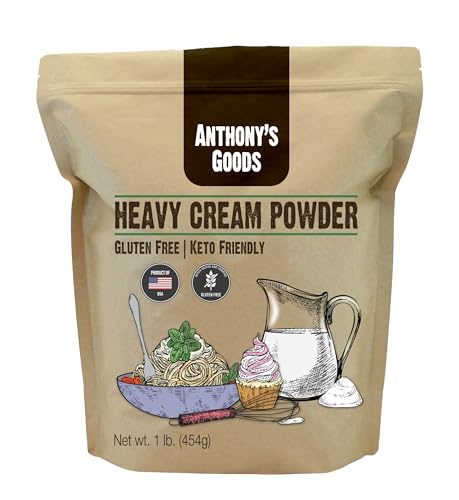
High Quality Heavy Cream Powder with 72% Butterfat
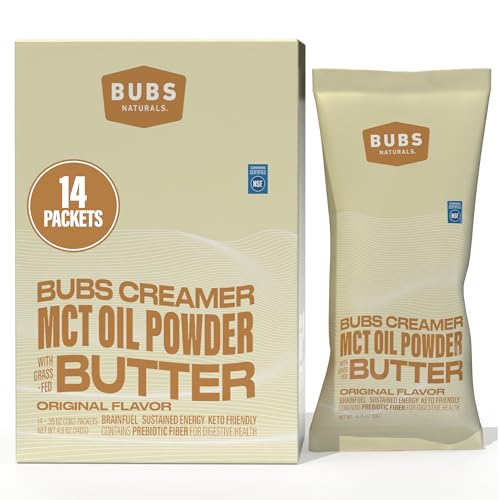
PREMIUM MCT COFFEE CREAMER: Elevate your morning routine with BUBS Naturals Halo Coffee Creamer. This delectable supplement transforms your daily coffee into a powerhouse of vitality, setting the stage for peak performance all day long.

8. Berry Smoothie Bowl

A berry smoothie bowl works from the same base as its drinkable cousin but stops where spoon territory begins.
Less liquid is the whole trick. Cut the milk by half, or swap in full-fat coconut milk frozen into ice cubes for a thicker, creamier body that won’t water down as it melts.
The texture endpoint matters here.
Blend until the mixture holds a soft peak, somewhere between frozen yogurt and thick batter. If the blade stalls, tamp it down or add liquid a tablespoon at a time, not a splash.
Toppings are where keto compliance lives or dies.
Chia seeds add crunch and fiber without the carb load. A few fresh berries keep the theme, but measure them; the fruit budget is tighter in a bowl than in a drink.
Unsweetened coconut flakes, a spoonful of hemp hearts, or a thin stripe of almond butter across the top keeps the macros in range without making the bowl feel like a sacrifice.
The freezer is your prep ally here.
Coconut milk ice cubes need two to three hours to set, so keep a tray on hand. They turn a last-minute breakfast into something that feels planned, even when it wasn’t.
Recommended Products

Organic cocoa powder
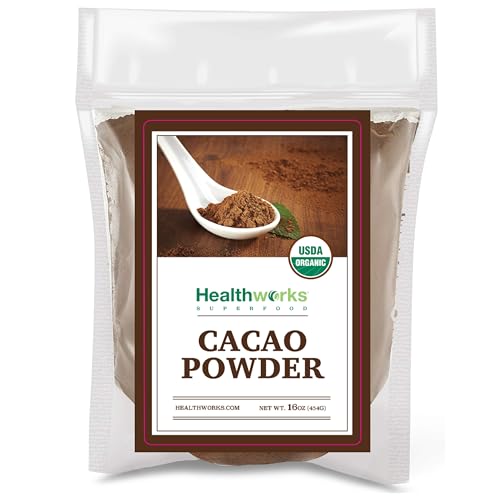
ORGANIC CACAO POWDER: Sourced from small organic farms in Peru, Healthworks Cacao Powder is made from the morsels of hand harvested cacao bean that is carefully milled into a fine powder. it has a deep & intense chocolate flavor which is a great addition to your daily meals and desserts. Healthworks Cacao Powder is keto-friendly, vegan, non-GMO, and certified organic.
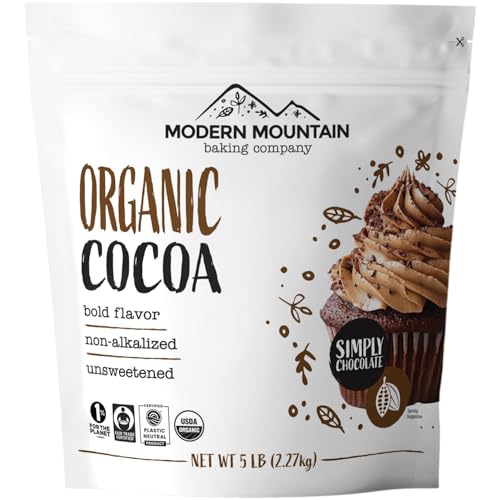
BOLD, AUTHENTIC CHOCOLATE: This is organic cocoa powder as close to the bean as it gets - pure, unsweetened, minimally processed, with bold, unapologetically authentic chocolate flavor that makes your other pantry staples feel insecure. One ingredient. No shortcuts. No silly stuff. Just 100% pure cocoa doing what it was born to do, from the first sift to the last bite.
9. Cucumber Celery Matcha Green Smoothie

Some mornings, the idea of a sweet smoothie turns my stomach. That is when this savory option steps in.
Cucumber and celery form a watery, vegetal base that feels closer to a chilled soup than a fruit shake, and matcha powder adds a grassy bitterness that reads as grown-up rather than dessert.
The fat comes from your usual keto source, avocado or coconut cream or whatever you keep on hand, and it carries the powder into suspension so you are not drinking matcha-flavored water.
I swapped whole celery for celery juice here after testing both. Juicing strips away the fiber that keeps you full, and the stringy pulp left behind felt wasteful pressed through my home juicer.
Whole celery in a high-speed blender breaks down fine, and the small amount of soluble fiber left in the drink slows the caffeine hit from the matcha.
Speaking of which, expect roughly 35 mg caffeine per half teaspoon of culinary-grade powder, about a third of a small coffee, enough to notice without the jitters.
The color stays an almost aggressive green.
I like that this one doesn’t pretend to be a milkshake; on days when I need the drink to wake me up before it even reaches my bloodstream, that honesty is exactly what I want.
Recommended Products
![PB2 Original Powdered Peanut Butter - [32 Ounce Jar] 6g of Protein, 90% Less Fat, Certified Gluten Free, Only 60 Calories per Serving, Perfect for Protein Shakes, Smoothies, and Low-Carb, Keto Diets](https://m.media-amazon.com/images/I/41yD3ZcN1DL._SL500_.jpg)
Fewer calories and less fat: Compared to its traditional counterparts, PB2 has 90% less fat and 70% fewer calories, all while still retaining the delicious peanut butter taste that we know and love.

Peanut Butter Made Better: PBfit Classic is non-GMO, gluten-free, dairy-free, soy-free, kosher, and made with just three simple ingredients: roasted peanuts, coconut sugar, and salt

PEANUT BUTTER POWDER: PBfit Simply Peanut has 82% less fat than traditional peanut butter. Made from real roasted peanuts, it has real peanut flavor without the high fat, sugar, or salt
10. Keto Chocolate Peanut Butter Smoothie

The chocolate peanut butter smoothie I keep coming back to leans harder on fat than protein, which sets it apart from the heavier protein powder versions.
I start with 1/3 cup heavy cream and 1/3 cup unsweetened almond milk, then add 2 tablespoons peanut butter, a scoop of chocolate protein powder, and a tablespoon each of confectioners erythritol and sugar-free maple syrup.
A pinch of salt and 1 to 2 cups ice finish it.
The sweeteners matter here. The combination of erythritol and sugar-free maple syrup gives a depth that either one alone misses, though you could drop one if your protein powder is already sweetened.
For something closer to a morning fuel shake, swap the heavy cream for coconut milk and add a tablespoon of MCT oil or a scoop of collagen.
The MCT version blends thinner and drinks faster; the cream base sits in the glass like a milkshake and keeps me full past noon.
If peanut butter isn’t an option, almond butter or sunflower seed butter work without changing the ratios. Unsweetened cocoa powder can deepen the chocolate, and vanilla protein powder instead of chocolate shifts the whole thing toward peanut butter cup territory.
Top it with keto whipped cream and crushed peanuts if you want the diner experience, though most mornings I skip the extra step and drink it straight from the blender cup.
Recommended Products
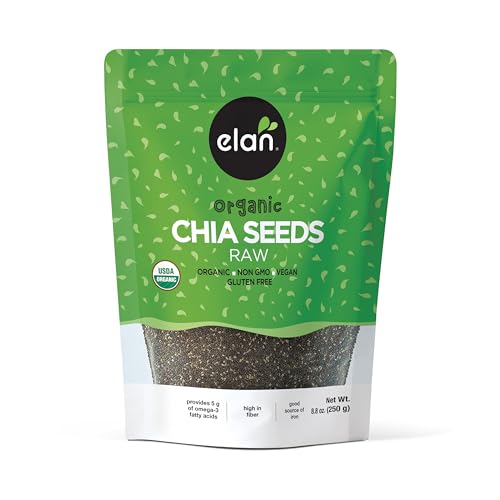
NUTRITIOUS SUPERFOOD: Elevate your healthy snacks with Elan Organic Chia Seeds. These small crunchy seeds gel easily, offering a nutritious boost to your creations

USDA Certified Organic Ground Chia Seeds

Nutrient-Packed Powerhouse: Elevate your recipes with the nutritional prowess of Black Chia Seeds Powder, a versatile superfood bursting with fiber, protein, and omega-3 fatty acids. Fuel your body with essential nutrients while enhancing the texture and flavor of your favorite dishes, from smoothies to baked goods.
Ingredients That Make Keto Smoothies Work

The base matters more than most people think. Unsweetened almond milk keeps carbs near zero while giving the blender enough liquid to move, and its neutral flavor stays out of the way of whatever else goes in.
When I want something richer, 1 cup of unsweetened coconut milk carries 3g net carbs and 36g fat, which turns a thin drink into something that actually registers as a meal.
Fat is what makes a keto smoothie structurally different from the fruit-heavy kind. Avocado blends into silk without adding sugar, and its fat content keeps the texture creamy even after the glass sits for ten minutes.
Nut butters do double duty: peanut butter thickens the blend and adds enough density that hunger stays quiet for hours. The sweetener is the last piece, and it has to be sugar-free syrup or another zero-carb option.
Regular fruit or honey blows the carb budget in a single pour, so the sweetness comes from the bottle labeled unsweetened, not from anything that grew on a tree.
Blending and Consistency Tips

The order you drop things into the jar matters more than most recipes bother saying.
Start with liquid and soft fats, then powders, then frozen fruit, ice on top. This keeps the blades from gumming up on dry protein or nut butter before the liquid can pull everything down.
If you like a thicker shake, use 1 to 2 cups of ice and back off the almond milk or heavy cream by a splash. For something closer to a milkshake, add the cream first and keep the ice light.
The machine will tell you when you have it wrong: the blades spin but nothing climbs into them, or the motor labors in that stalled, high-pitched way.
When that happens, most people reach for more liquid and end up with soup.
A better move is to stop the motor, pull the jar off the base, and give it a hard shake or stir with a long spoon to break up the air pocket.
Sometimes the mixture just needs a few seconds to settle before a second run.
If the motor is truly struggling, split the batch in half and blend in two passes. It takes an extra minute and saves the texture entirely.
What Keeps You Full and Why

A keto smoothie keeps you full because fat and fiber trigger satiety without spiking blood sugar.
Half an avocado adds monounsaturated fat and enough fiber to keep net carbs low, while a tablespoon of chia seeds delivers 5 g of fiber that swells in liquid and sits heavy in the stomach.
MCT oil offers the most concentrated hit: 14 g of fat per tablespoon, metabolized fast enough to blunt hunger before it starts.
A smoothie crosses from snack to meal replacement when the fat climbs past 40 g and protein hits the 30 g range.
One peanut butter chocolate blend lands at 459 calories with 41 g fat, 34 g protein, and only 6 net carbs, which is enough to replace breakfast and stay full for hours.
Without that density, the same ingredients in smaller amounts function as a bridge between meals, not a substitute for them.
The limit is built in.
Fiber and fat add up quickly, so a true meal-replacement smoothie will feel thick, almost spoonable. Thin and sippable usually means not enough of either, and hunger returns inside two hours.
Meal Prep Reality

Blending a keto smoothie the night before saves roughly 5 minutes of morning chaos, but the texture pays for that convenience.
The ice melts within hours, and the emulsion breaks, so what started thick and creamy turns runnier and separates into layers by afternoon.
Stored in an airtight container, most keto smoothies hold in the refrigerator for 1 to 2 days, though they never quite return to their fresh-blended state even with a vigorous shake.
Not all bases degrade equally. Avocado-based smoothies stay stable longest because the fat binds the liquid, while berry-heavy versions with thinner nut milk separate fastest.
The chia seeds that thicken some recipes gel unevenly in storage, turning pudding-like at the bottom while the top stays watery.
The real tradeoff is morning speed against afternoon separation. For my own routine, fresh blending wins when I can manage it, but a jar prepped the night before still beats skipping breakfast entirely.
If you do store ahead, fill the container to the very top to limit air exposure, and accept that the second-day drink will be thinner, with a stir required before each sip.
Swaps and Modifications

Almond milk and heavy cream are the usual suspects in keto smoothies, but they are not the only path. Canned coconut milk, the kind stocked in the Asian foods aisle, carries more fat and less dilution than the carton version.
It also builds a creamier body, which matters when you drop the dairy entirely. One cup lands at about 3 grams of net carbs, so it fits without much negotiation.
Sweetness is where personal preference and sweetener choice collide. Erythritol, allulose, and monk fruit all do the job, but they do not behave the same.
Allulose dissolves cleanly and lacks the cooling aftertaste erythritol can leave behind. Monk fruit carries its own flavor footprint.
Start with half what the recipe calls for, then adjust after tasting. Simple syrup made with any of these blends faster into cold liquid than granules do.
Berries are flexible. A half-cup of frozen mixed berries runs roughly 5 grams of net carbs; raspberries alone drop that to 3 grams for the same amount.
Swap freely, but measure, because the difference between a loose handful and a measured half-cup is the difference between staying in ketosis and not.
Collagen and MCT oil sit in a gray zone. MCT oil adds fat fast, which helps hit macros, but it does nothing for texture or flavor.
Collagen dissolves invislessly and brings protein, yet a smoothie already built on coconut milk and berries covers most needs without it. Add either when your daily counts need the push; skip them when they do not.
Frequently Asked Questions
Can you drink protein smoothies on keto?
Yes, protein smoothies fit keto if you keep carbs low and fat high. Watch your protein powder label, though, because some brands carry hidden carbs through rounding.
What fruit is keto?
Berries in small amounts and avocado in any amount. Raspberries and blackberries run about 3g net carbs per half cup, strawberries around 4.5g, but blueberries jump to 8.5g.
Avocado is the only fruit with no practical carb limit, which is why two large ones form the base of the avocado smoothie recipe.
Can you meal prep smoothies?
Yes, but expect texture loss. Stored in an airtight container, most keto smoothies hold 1 to 2 days in the refrigerator, though ice melts and emulsions break, so the drink turns thinner and separates into layers.
Avocado-based blends stay stable longest; berry-heavy versions with thin nut milk separate fastest. Fill the container to the very top to limit air exposure.
What cheese has zero carbs?
Most hard cheeses like cheddar, parmesan, and swiss sit at roughly zero net carbs per serving, since their lactose content is minimal after aging. Soft cheeses carry slightly more.
What junk food is keto-friendly?
The peanut butter chocolate smoothie reads milkshake-thick, the pumpkin spice frappuccino copies the coffee shop version, and the berry smoothie bowl with toppings hits the same notes as frozen yogurt.
What is the fastest way to lose weight on keto?
Its smoothie recipes are built around fat and protein density to replace meals and extend fullness, which supports caloric control without counting.
A true meal-replacement smoothie crosses past 40g fat and 30g protein, like the peanut butter chocolate blend at 459 calories and 41g fat.
What are the 5 best keto smoothies for rapid weight loss?
The avocado smoothie runs almost pure fat with minimal carbs.
The chocolate almond protein shake hits 34g protein. The pumpkin spice frappuccino uses frozen coconut milk cubes for sustained energy.
The peanut butter chocolate smoothie with MCT oil metabolizes fast. The berry smoothie bowl with measured toppings controls portions through spoon speed.
About The Author
