
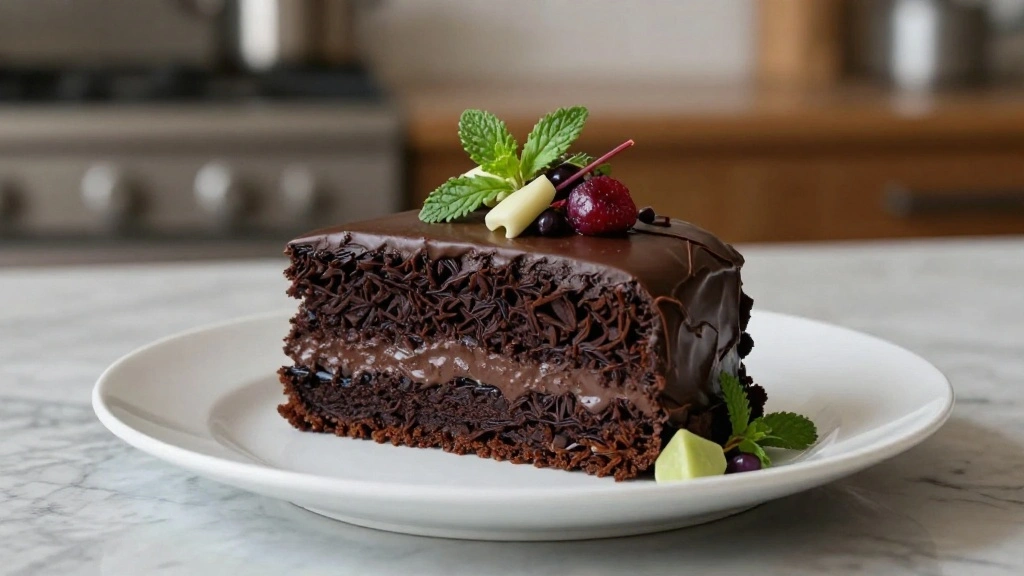
I first encountered this super moist chocolate cake during a cozy winter gathering at my grandmother’s house.
The rich and decadent chocolate flavor is perfectly balanced with a light, airy texture that melts in your mouth.
It’s become a family favorite, often requested at birthdays and holiday celebrations.
This recipe guarantees a moist, chocolatey cake that is both simple to prepare and absolutely delicious.
Whether you’re an experienced baker or a novice, this chocolate cake will quickly become a staple in your recipe collection.
The History and Cultural Significance
• Super Moist Chocolate Cake traces its origins to the late 19th century in the United States, where it was originally created by home bakers seeking a rich dessert.
• The dish evolved over decades as cocoa powder became more refined and widely available, eventually becoming the beloved version we know today.
• In American culture, this dish traditionally appears at birthdays, weddings, and various celebrations, symbolizing indulgence and festivity.
• While many variations exist across different regions, the authentic version maintains a dense, moist crumb that sets it apart from imitations.
Recipe Overview
Nutritional Information (per serving)
Essential Equipment Guide
Stand Mixer: A stand mixer is crucial for achieving the perfect batter consistency, ensuring all ingredients are thoroughly combined. An electric hand mixer can be a viable alternative, though it requires more manual effort.
Springform Pan: This type of pan allows for easy release of the cake, maintaining its structure and preventing any sticking. Look for a pan with a tight seal to avoid batter leakage.
Cooling Rack: Using a cooling rack ensures even air circulation around the cake, helping it cool evenly and preventing sogginess at the bottom. A makeshift rack can be created with a baking sheet and a few utensils if necessary.
Ingredients
For the Cake
|
|
| Amount | Ingredient | Notes |
|---|---|---|
| 1 3/4 cups | all-purpose flour | provides structure |
| 1 1/2 teaspoons | baking powder | ensures the cake rises |
| 1 1/2 teaspoons | baking soda | adds leavening |
| 3/4 cup | unsweetened cocoa powder | for rich chocolate flavor |
| 2 cups | granulated sugar | sweetens the cake |
| 1 teaspoon | salt | enhances flavor |
| 2 large | eggs | room temperature, adds richness |
| 1 cup | whole milk | adds moisture |
| 1/2 cup | vegetable oil | for moisture and tenderness |
| 2 teaspoons | vanilla extract | for flavor depth |
| 1 cup | boiling water | activates cocoa powder |
Preparation Methods
Creaming Method: This technique involves beating sugar and fat (butter or oil) together until light and fluffy. It creates an airy structure that helps the cake rise. Patience is key—ensure the mixture is well-creamed before proceeding.
Folding: Carefully incorporate dry ingredients into wet ingredients using a folding motion. This gentle method prevents overmixing, which can lead to a dense cake. Use a spatula and turn the bowl as you fold.
Water Bath: Placing the cake pan in a water bath during baking helps maintain a moist texture by providing gentle, even heat. Use a larger pan filled with hot water and place the cake pan inside.
Step 1: Prepare Ingredients

Measure out all ingredients before starting.
Ensure eggs and milk are at room temperature for better integration.
Sift together flour, cocoa powder, baking powder, baking soda, and salt.
This will help remove lumps and ensure even distribution.
Step 2: Preheat Oven

Set your oven to 350°F (175°C).
This allows the oven to reach the correct temperature for even baking.
Ensure the oven rack is in the middle position.
This positioning provides the most consistent heat distribution.
Step 3: Mix Dry Ingredients

In a large bowl, combine the sifted flour, cocoa powder, baking powder, baking soda, and salt.
Stir with a whisk until well combined.
Look for a uniform color and texture throughout the mixture.
This ensures all leavening agents are evenly distributed.
Step 4: Cream Sugar and Oil

In a stand mixer, combine sugar and vegetable oil.
Beat on medium speed until well blended and smooth.
The mixture should appear pale and slightly thickened.
This step is crucial for incorporating air into the batter.
Step 5: Add Eggs and Vanilla

Add eggs one at a time to the sugar mixture, beating well after each addition.
Pour in the vanilla extract and continue mixing.
The batter should be smooth and cohesive.
This step builds the cake's structure and adds flavor.
Step 6: Combine Wet and Dry Ingredients

Gradually add the dry ingredients to the wet ingredients, alternating with milk.
Begin and end with the dry ingredients.
Mix on low speed to avoid overmixing.
This ensures a tender crumb by keeping gluten formation minimal.
Step 7: Incorporate Boiling Water

Slowly pour in the boiling water while mixing on low speed.
The batter will become thin, which is normal.
Ensure the water is fully integrated and the batter is homogenous.
This step intensifies the chocolate flavor and keeps the cake moist.
Step 8: Pour and Bake

Pour the batter into a greased and floured springform pan.
Smooth the top with a spatula for even baking.
Place the pan in the oven and set a timer for 35 minutes.
The cake is done when a toothpick inserted into the center comes out clean.
Step 9: Cool the Cake
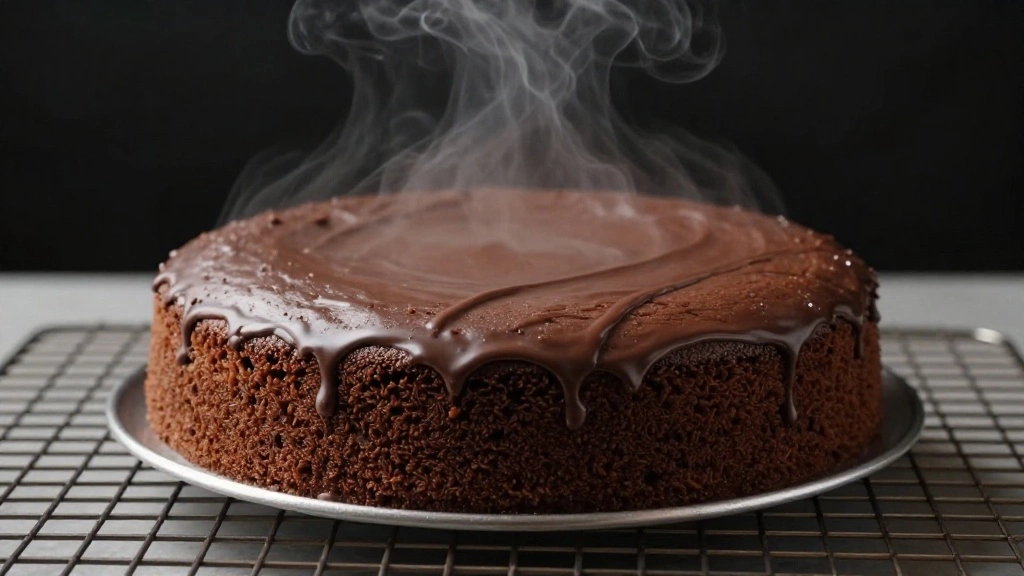
Remove the cake from the oven and place it on a cooling rack.
Let it cool in the pan for 10 minutes.
Carefully remove the cake from the pan and allow it to cool completely on the rack.
This prevents condensation from making the cake soggy.
Step 10: Serve and Enjoy
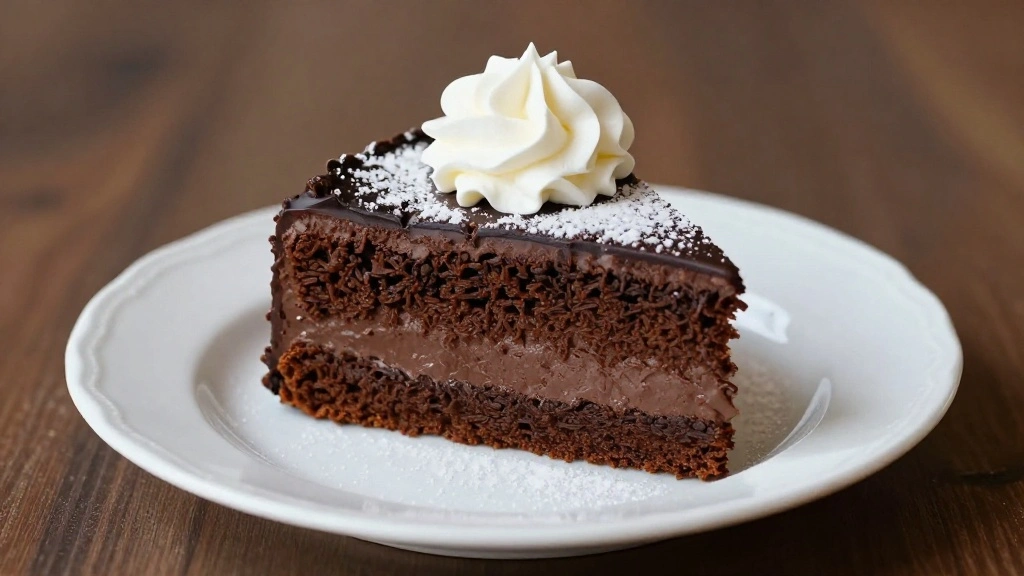
Slice the cake with a sharp knife for clean edges.
Serve with a dollop of whipped cream or a scoop of vanilla ice cream.
Optionally, dust with powdered sugar for a decorative touch.
Enjoy your homemade super moist chocolate cake!
Critical Timing and Temperature Guide
Baking Time: Bake at 350°F (175°C) for 35 minutes, or until a toothpick comes out clean. Avoid opening the oven door frequently, as this can cause temperature fluctuations and uneven baking.
Cooling Time: Allow the cake to cool in the pan for 10 minutes before removing. Look for firmness around the edges as an indicator. Avoid rushing this process to prevent the cake from breaking.
Water Bath: Use a water bath at 325°F (163°C) if your oven tends to bake unevenly. Avoid using cold water, which can lower the oven temperature and affect baking time.
Pro Tips for Super Moist Chocolate
• Ingredient Selection: Use high-quality cocoa powder and vanilla extract, as they significantly impact the cake's flavor profile.
• Preparation Secret: Let the batter rest for a few minutes before baking to allow flour to hydrate fully, enhancing the cake's texture.
• Temperature Management: Ensure all ingredients are at room temperature for better emulsification, leading to a smoother batter.
• Texture Enhancement: Gently fold ingredients to preserve air bubbles, which contribute to a light, fluffy texture.
• Flavor Layering: Incorporate a pinch of espresso powder to deepen the chocolate flavor without adding coffee taste.
• Make-Ahead Strategies: Bake the cake a day in advance and wrap it tightly in plastic wrap to retain moisture until serving.
• Restaurant-Quality Finishing Touches: Use a chocolate ganache glaze for a glossy finish that adds sophistication.
• Equipment Optimization: Keep your stand mixer bowl and attachments clean and dry to prevent ingredient contamination.
Troubleshooting Common Issues
• Texture Too Dense: This issue often arises from overmixing the batter. Recognize it by a heavy, compact cake. Prevent it by mixing on low speed and only until ingredients are combined.
• Cake Sinks in the Middle: Caused by underbaking or opening the oven door too early. Ensure the cake is fully baked by checking with a toothpick and avoid disturbing the oven.
• Crumbly Texture: Results from insufficient mixing or incorrect ingredient ratios. Make sure to measure ingredients accurately and mix until just combined.
• Flavors Unbalanced: Often due to poor quality cocoa or vanilla extract. Always use high-quality ingredients and taste-test flavorings before use.
• Sticky Top: Caused by improper cooling or humid conditions. Allow the cake to cool completely on a rack and store in a dry environment.
• Burnt Edges: Results from uneven heat distribution. Use an oven thermometer to ensure accurate temperature and place the cake in the center of the oven.
Variations and Regional Differences
• Mexican Chocolate Variation: Incorporates cinnamon and cayenne pepper for a warm, spicy kick, reflecting Mexican culinary traditions.
• Vegan Chocolate Cake: Uses plant-based milk and apple sauce instead of eggs, offering a dairy-free and egg-free alternative without sacrificing moisture.
• Black Forest Style: Layers of whipped cream and cherries between the cake layers, inspired by the traditional German dessert.
• Flourless Chocolate Cake: Omits flour entirely, resulting in a dense, fudgy cake that's naturally gluten-free.
Food Science Behind the Recipe
• Leavening Agents: Baking powder and baking soda work together to create carbon dioxide, causing the cake to rise. Understanding this helps achieve a light, airy texture.
• Emulsification: The process of mixing fat with water-based ingredients ensures a smooth batter. Emulsifiers in eggs help stabilize this mixture, creating a consistent structure.
• Maillard Reaction: This chemical reaction between amino acids and reducing sugars during baking creates complex flavors and a browned crust, enhancing the cake's overall taste.
Frequently Asked Questions
What's the most common mistake people make when preparing super moist chocolate cake? Overmixing the batter is a frequent error, leading to a dense texture. Stick to low-speed mixing and combine ingredients just until incorporated.
Can I use a different type of flour? All-purpose flour is recommended for its balance of protein and starch. Using cake flour can result in a lighter texture, while whole wheat flour may make the cake denser.
How can I make this cake gluten-free? Substitute all-purpose flour with a gluten-free baking blend, ensuring it contains xanthan gum for structure.
Why is my cake dry? Overbaking is a common cause of dryness. Use an oven thermometer to verify temperature accuracy and start checking doneness five minutes before the expected time.
Can I add chocolate chips to the batter? Yes, folding in chocolate chips can add texture and extra chocolate flavor, but be cautious not to overmix.
Is it possible to make this cake without eggs? Yes, replace each egg with a mixture of 1 tablespoon ground flaxseed and 3 tablespoons of water, allowing it to sit for a few minutes to thicken.
How should I store leftover cake? Store the cake in an airtight container at room temperature for up to 3 days or refrigerate for up to a week to maintain freshness.
What kind of frosting pairs well with this cake? A classic chocolate buttercream or a light whipped ganache complements the cake's rich flavor beautifully.
Serving and Presentation Guide
• Traditional Presentation: Serve the cake on a simple white cake stand, allowing the chocolate to be the focal point.
• Modern Twist: Add a drizzle of salted caramel sauce over each slice for a sweet and salty contrast.
• Festive Decoration: Top with chocolate shavings or curls for a luxurious finish.
• Casual Style: Serve with a scoop of vanilla ice cream on the side for a classic combination.
Conclusion
Whether you're celebrating a special occasion or simply satisfying a chocolate craving, this super moist chocolate cake is sure to please.
Its rich flavor and tender crumb make it a favorite among chocolate lovers of all ages.
Give this recipe a try and enjoy the delightful indulgence it brings to your table.
About The Author
