
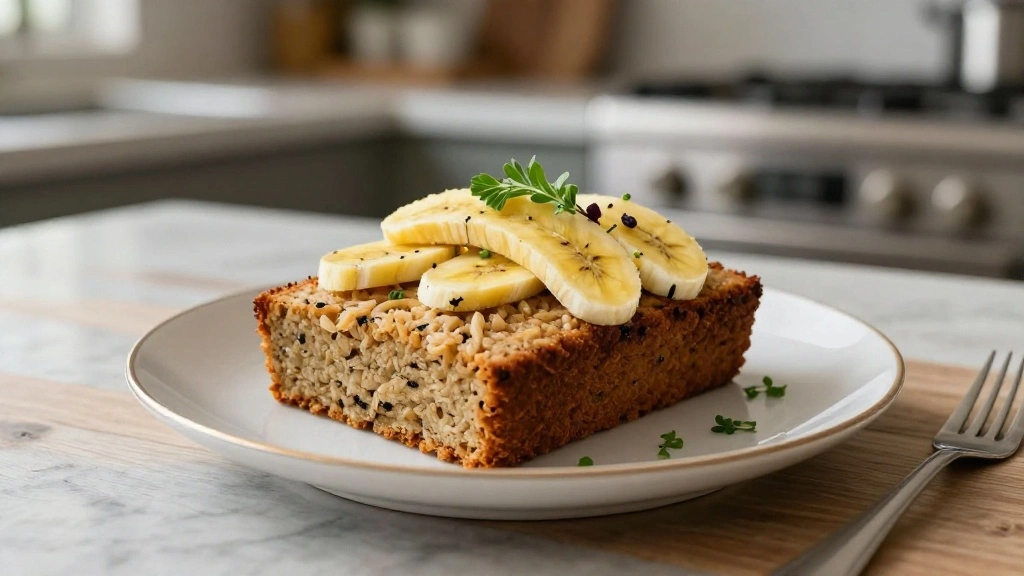
The rich aroma of freshly baked banana bread brings a sense of warmth and comfort to any home.
Starbucks-Style Banana Bread, with its moist texture and delightful sweetness, offers a perfect way to use overripe bananas.
As the seasons change, this recipe remains a staple, providing a taste of nostalgia with every bite.
Whether you’re enjoying a slice with your morning coffee or as an afternoon treat, this banana bread promises to satisfy your cravings.
The simplicity of the ingredients combined with a straightforward preparation makes it accessible to bakers of all skill levels.
Let’s delve into crafting this beloved classic in your own kitchen.
The History and Cultural Significance
• Starbucks-Style Banana Bread traces its origins to the early 20th century, where it was originally created as a means to utilize overripe bananas.
• The dish evolved over decades as baking techniques improved and ingredients like nuts and chocolate chips were introduced, eventually becoming the beloved version we know today.
• In American culture, this dish traditionally appears at brunches and family gatherings, symbolizing warmth and hospitality.
• While many variations exist across different regions, the authentic version maintains a moist texture and robust banana flavor that sets it apart from imitations.
Recipe Overview
Nutritional Information (per serving)
Essential Equipment Guide
Mixing Bowl: A sturdy mixing bowl is essential for blending your ingredients thoroughly and ensuring an even batter consistency. While glass or metal bowls work well, a non-slip base is a helpful feature to look for.
Loaf Pan: Using a high-quality loaf pan ensures even baking and a well-shaped loaf. Non-stick pans are a convenient option, but greasing and flouring a standard pan works just as well.
Spatula: A flexible spatula is important for scraping down the sides of your mixing bowl and ensuring all ingredients are well incorporated. Silicone spatulas are heat-resistant and easy to clean.
Ingredients
For the Base
|
|
| Amount | Ingredient | Notes |
|---|---|---|
| 2 cups | all-purpose flour | sifted for light texture |
| 1 teaspoon | baking soda | provides leavening |
| 1/4 teaspoon | salt | enhances flavor |
Moist Ingredients
| Amount | Ingredient | Notes |
|---|---|---|
| 1/2 cup | unsalted butter | melted, adds richness |
| 1 cup | granulated sugar | sweetens |
| 2 large | eggs | room temperature, binds ingredients |
| 3 large | bananas | ripe, mashed |
| 1 teaspoon | vanilla extract | adds aroma |
Optional Add-ins
| Amount | Ingredient | Notes |
|---|---|---|
| 1/2 cup | walnuts | chopped, adds crunch |
| 1/2 cup | chocolate chips | optional, adds sweetness |
Preparation Methods
Mashing Bananas: To achieve the perfect banana texture, use a fork or a potato masher to mash ripe bananas until smooth. This ensures even distribution of banana flavor throughout the bread.
Folding Ingredients: Gentle folding is crucial to maintain the airiness of the batter. Use a spatula to fold in dry ingredients and any optional add-ins, avoiding overmixing, which can lead to a dense loaf.
Testing for Doneness: To test if the banana bread is done, insert a toothpick into the center of the loaf. If it comes out clean or with a few crumbs, the bread is ready. Avoid opening the oven too early, as this can cause the bread to collapse.
Step 1: Prepare Ingredients

Gather all your ingredients and tools on the counter.
Preheat your oven to 350°F (175°C).
Grease and flour your loaf pan.
Ensure your bananas are ripe and ready for mashing.
Step 2: Mash the Bananas

Peel the bananas and place them in a medium-sized mixing bowl.
Use a fork or potato masher to mash the bananas until mostly smooth.
A few small lumps are okay, adding texture to the bread.
Set the mashed bananas aside for later use.
Step 3: Mix Dry Ingredients

In another bowl, combine the flour, baking soda, and salt.
Whisk them together to ensure even distribution of leavening.
This helps prevent clumping when added to the wet ingredients.
Set the dry mixture aside.
Step 4: Combine Wet Ingredients

In a large mixing bowl, add melted butter and sugar.
Mix them until well combined and slightly fluffy.
Add the eggs one at a time, mixing well after each addition.
Stir in the mashed bananas and vanilla extract.
Step 5: Incorporate Dry Ingredients

Add the dry mixture to the wet ingredients in batches.
Use a spatula to gently fold them together.
Avoid overmixing to maintain a light batter.
Stop once no streaks of flour remain.
Step 6: Add Optional Ingredients

If using, fold in the walnuts or chocolate chips.
Ensure they are evenly distributed throughout the batter.
These add-ins provide extra flavor and texture.
Choose based on your preference or omit entirely.
Step 7: Transfer to Loaf Pan

Pour the prepared batter into the greased loaf pan.
Use a spatula to smooth the top evenly.
Tap the pan gently on the counter to remove air bubbles.
This ensures an even rise during baking.
Step 8: Bake the Banana Bread
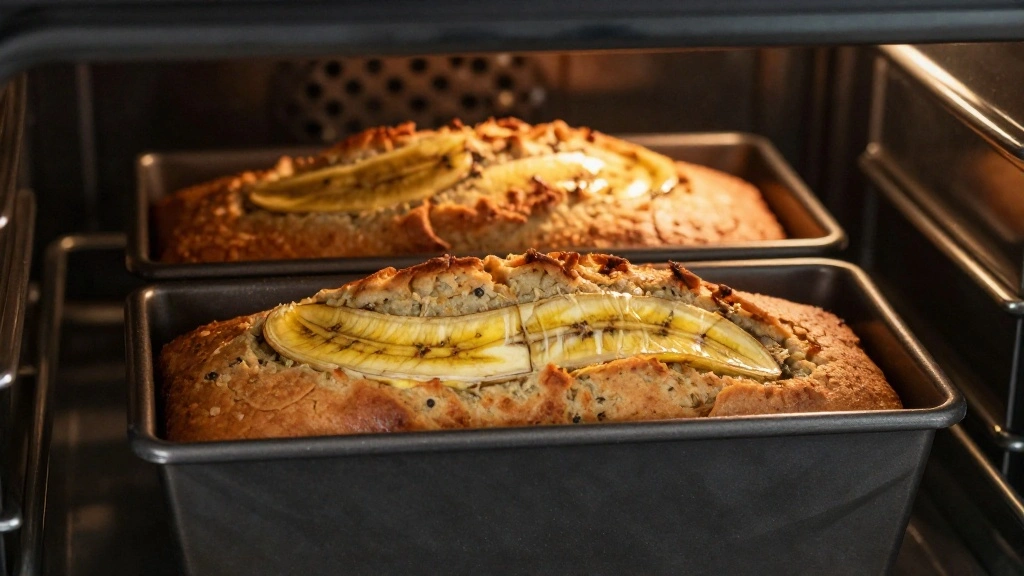
Place the loaf pan in the preheated oven on the center rack.
Bake for 60 minutes, checking for doneness after 55 minutes.
A toothpick inserted should come out mostly clean.
Let the bread cool in the pan for 10 minutes before transferring to a wire rack.
Step 9: Cool and Serve
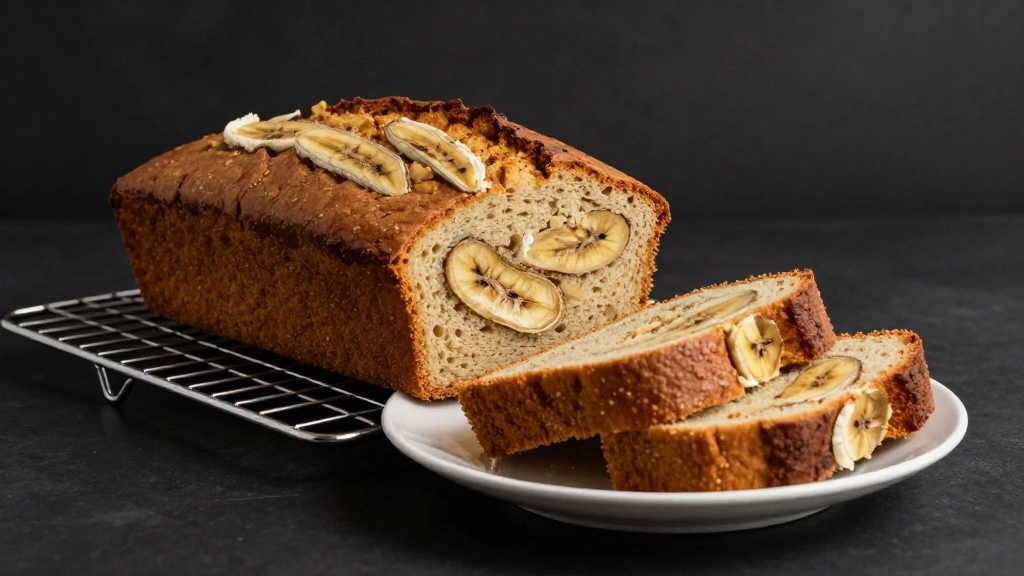
Once transferred to the wire rack, allow the bread to cool completely.
This step helps set the texture and makes slicing easier.
Once cool, slice the bread with a serrated knife.
Serve and enjoy with a cup of coffee or tea.
Critical Timing and Temperature Guide
Preheating the Oven: Preheat to 350°F (175°C) for consistent baking. Ensure the oven is fully preheated before placing the loaf inside to avoid uneven cooking.
Baking Time: Bake for 60 minutes, but start checking at 55 minutes. Insert a toothpick to check for doneness; it should come out clean or with a few crumbs.
Cooling: Allow the bread to cool in the pan for 10 minutes before transferring to a wire rack. This helps prevent the bread from breaking apart and ensures a stable texture.
Pro Tips for Starbucks-Style Banana Bread
• Ingredient Selection: Use ripe bananas with brown spots for maximum sweetness and flavor, and opt for high-quality vanilla extract to enhance the aroma.
• Preparation Secret: Let the batter rest for 5 minutes before baking to allow the flour to hydrate, resulting in a more tender crumb.
• Temperature Management: Ensure all ingredients are at room temperature to promote even mixing and a smoother batter.
• Texture Enhancement: Do not overmix the batter once the flour is added; this prevents gluten development and keeps the bread tender.
• Flavor Layering: Add a pinch of cinnamon or nutmeg for an extra layer of warmth and complexity to the flavor profile.
• Make-Ahead Strategies: Prepare the dry ingredients and mash the bananas a day ahead, storing separately until ready to bake.
• Restaurant-Quality Finishing Touches: Brush the top with melted butter after baking for a glossy finish and enhanced flavor.
• Equipment Optimization: If you lack a loaf pan, use a muffin tin for banana bread muffins, adjusting the baking time accordingly.
Troubleshooting Common Issues
• Texture Too Dense: This may be caused by overmixing the batter, leading to excess gluten development. Mix just until the ingredients are combined to avoid this.
• Flavors Unbalanced: If the banana flavor is not prominent, ensure you are using very ripe bananas. Consider adding a touch more vanilla extract to enhance the overall flavor.
• Crumbly Texture: This can occur if too much flour is used. Ensure you measure flour by spooning it into the measuring cup and leveling it off.
• Sinking Center: A common issue due to underbaking or rapid temperature changes. Check the bread's doneness with a toothpick and avoid opening the oven door too frequently.
• Too Sweet: Adjust the sugar quantity if your bananas are overly ripe, as they add natural sweetness.
• Uneven Baking: Ensure the oven is fully preheated and the loaf pan is centered in the oven to promote even heat distribution.
Variations and Regional Differences
• Southern Style Banana Bread: This version often includes buttermilk and pecans for a richer, tangier flavor and added crunch.
• Caribbean Banana Bread: Features spices like allspice and rum extract, with shredded coconut often mixed into the batter for tropical flair.
• Gluten-Free Variation: Substitute all-purpose flour with a gluten-free blend, ensuring to add a binding agent like xanthan gum if the mix does not include it.
• Vegan Banana Bread: Replace eggs with flax eggs (1 tablespoon ground flaxseed mixed with 2.5 tablespoons water per egg) and use a plant-based butter alternative.
Food Science Behind the Recipe
• Maillard Reaction: This chemical reaction between amino acids and reducing sugars gives the banana bread its golden-brown crust and complex flavors.
• Leavening Agents: Baking soda reacts with acidic components in the batter, such as bananas, to create carbon dioxide, which helps the bread rise.
• Banana Ripeness: As bananas ripen, their starches convert to sugar, enhancing sweetness and moisture in the bread, affecting both flavor and texture.
Frequently Asked Questions
What's the most common mistake people make when preparing banana bread? Overmixing the batter, which can lead to a dense and chewy texture, is a frequent error. Mix just until the ingredients are combined.
Can I use frozen bananas for this recipe? Yes, thaw them completely and drain any excess liquid before mashing to maintain the correct moisture level in the bread.
How do I store banana bread to keep it fresh? Wrap it in plastic wrap or store in an airtight container at room temperature for up to 3 days, or refrigerate for up to a week.
Can I reduce the sugar in the recipe? Yes, but reducing too much can affect the texture and moisture. Consider starting with a 10-20% reduction and adjust to taste.
What's the best way to mash bananas? Use a fork or potato masher, ensuring they are ripe enough to break down easily, resulting in a smooth texture.
Is it possible to make this recipe gluten-free? Yes, substitute the all-purpose flour with a gluten-free baking mix, ensuring it includes a binding agent like xanthan gum.
Can banana bread be frozen? Absolutely, wrap slices individually in plastic wrap and place in a freezer bag. Thaw at room temperature or gently reheat in the oven.
Serving and Presentation Guide
• Traditional Presentation: Serve slices warm with a pat of butter on top, accompanied by a hot cup of coffee or tea.
• Elegant Brunch Style: Arrange slices on a platter, garnished with fresh banana slices and a sprinkle of powdered sugar.
• Casual Gathering: Serve with a selection of spreads like cream cheese, honey, or nut butter for guests to customize their slice.
• Gift Presentation: Wrap a loaf in parchment paper, tied with twine, and include a handwritten note for a personal touch.
Conclusion

Baking Starbucks-Style Banana Bread at home brings the comforting aroma and taste of a coffee shop right to your kitchen.
With simple ingredients and a straightforward process, you can enjoy this classic treat whenever the craving strikes.
Give this recipe a try and experience the joy of homemade banana bread.
Share a slice with friends and family, and watch it become a beloved staple in your home.
About The Author
