
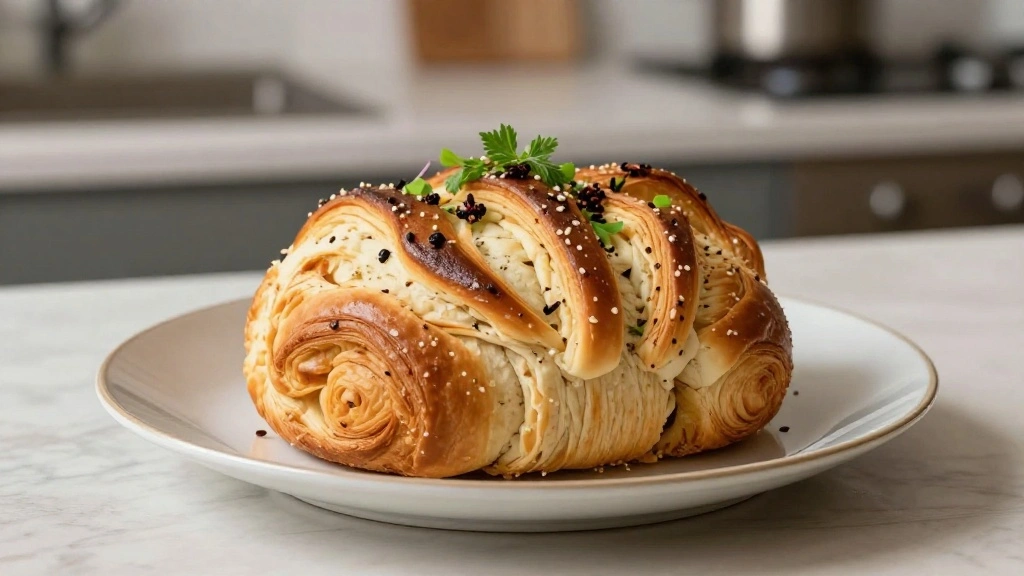
There’s something utterly irresistible about the sweet, sticky, and cinnamon-scented allure of Pull-Apart Monkey Bread.
Its delightful combination of soft dough and gooey caramelized sugar creates a flavor profile that’s both nostalgic and indulgent.
This delightful treat is perfect for family gatherings, offering a playful, hands-on eating experience that everyone can enjoy.
Whether you’re serving it as a brunch centerpiece or a cozy dessert, Monkey Bread promises to be a crowd-pleaser.
I first encountered this delightful dish during a chilly winter morning, and it has since become a staple in my family’s seasonal traditions.
The History and Cultural Significance
• Pull-Apart Monkey Bread traces its origins to Eastern Europe, where it was originally created by Hungarian and Slovakian bakers in the 19th century.
• The dish evolved over decades as it migrated to America, with variations in ingredients like adding cinnamon and sugar, eventually becoming the beloved version we know today.
• In American culture, this dish traditionally appears at holiday gatherings and brunches, symbolizing warmth and togetherness.
• While many variations exist across different regions, the authentic version maintains its signature pull-apart texture and sweet, caramelized flavor that sets it apart from imitations.
Recipe Overview
Nutritional Information (per serving)
Essential Equipment Guide
Bundt Pan: The unique shape of a Bundt pan allows the bread to bake evenly and creates the classic Monkey Bread appearance. Alternatives include tube pans or ring molds, but ensure they have a non-stick coating for easy release.
Mixing Bowls: A set of mixing bowls is essential for preparing the dough and coating it with sugar and cinnamon. Look for bowls with non-slip bases to prevent spills.
Pastry Brush: Useful for applying melted butter evenly over the dough pieces. Silicone brushes are preferred for their heat resistance and easy cleaning.
Ingredients
For the Dough
|
|
| Amount | Ingredient | Notes |
|---|---|---|
| 4 cups | all-purpose flour | provides structure |
| 1 package | instant yeast | for leavening |
| 1 cup | milk | warmed, activates yeast |
| 1/4 cup | sugar | adds sweetness |
| 1/2 cup | butter | melted, adds richness |
For the Coating
| Amount | Ingredient | Notes |
|---|---|---|
| 1 cup | brown sugar | adds caramel flavor |
| 2 teaspoons | cinnamon | adds warmth |
| 1/2 cup | butter | melted, binds coating |
Preparation Methods
Kneading: Kneading is crucial for developing gluten in the dough, which gives the bread its chewy texture. Knead by hand or with a mixer for about 10 minutes until the dough is smooth and elastic.
Proofing: This step allows the dough to rise and develop flavor. Place the dough in a warm, draft-free area until it doubles in size, typically about 1 hour.
Layering: Coating each dough ball in butter and sugar ensures every piece is flavorful and caramelized. Roll the pieces thoroughly for even coating.
Step 1: Prepare Ingredients

Gather all ingredients and equipment.
Ensure the milk is warmed to about 110°F to activate the yeast.
Measure out the flour, sugar, and butter accurately.
Set up your work station with bowls and pans.
Step 2: Activate the Yeast

In a small bowl, combine warmed milk and yeast.
Let it sit for 5 minutes until it becomes frothy.
This indicates the yeast is active.
If the mixture doesn't foam, start over with new yeast.
Step 3: Make the Dough

In a large mixing bowl, combine flour, sugar, and salt.
Add the yeast mixture and melted butter.
Stir until a shaggy dough forms.
Transfer to a floured surface to knead.
Step 4: Knead the Dough

Knead the dough on a floured surface for 10 minutes.
The dough should become smooth and elastic.
If it sticks, sprinkle more flour as needed.
Once ready, it should spring back when pressed.
Step 5: Proof the Dough

Place the dough in a greased bowl and cover.
Let it rise in a warm area until doubled in size, about 1 hour.
This develops flavor and texture.
Avoid drafts to ensure even rising.
Step 6: Prepare the Coating

In a separate bowl, mix brown sugar and cinnamon.
Melt butter in a small saucepan.
Have a pastry brush ready for the melted butter.
Set these aside near your work area.
Step 7: Shape and Coat the Dough

Punch down the risen dough and tear into small balls.
Dip each ball in melted butter, then roll in sugar mixture.
Layer the coated balls in a greased Bundt pan.
Ensure even distribution for uniform baking.
Step 8: Bake the Monkey Bread
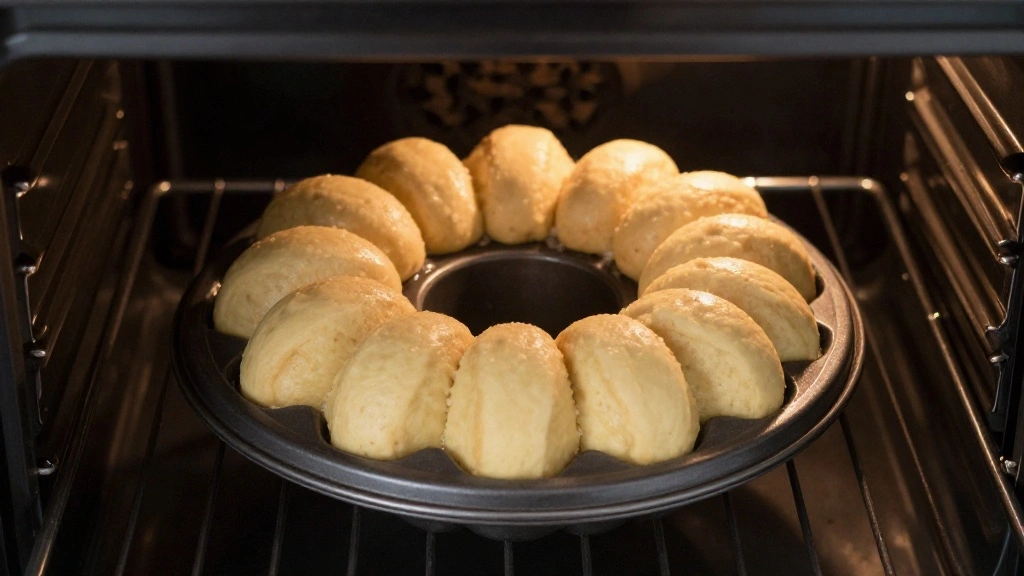
Preheat the oven to 350°F (175°C).
Place the Bundt pan in the center of the oven.
Bake for 35 minutes or until golden brown.
The top should be caramelized and bubbly.
Step 9: Cool and Serve
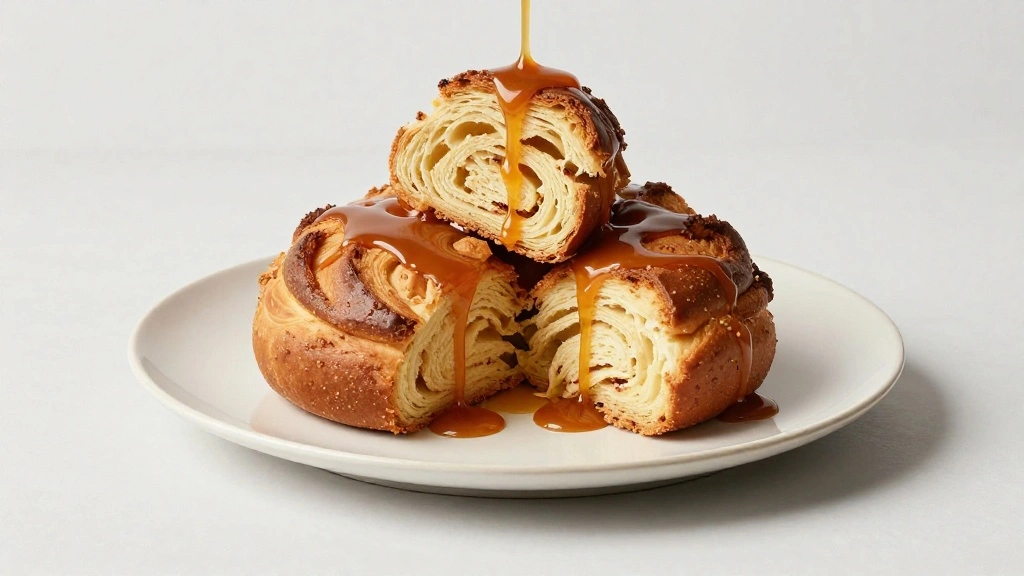
Remove the pan from the oven and let it cool for 10 minutes.
Invert onto a serving platter to release the bread.
The caramel should drizzle over the top.
Serve warm for the best texture and flavor.
Critical Timing and Temperature Guide
Yeast Activation: Milk should be at 110°F for proper yeast activation. If it’s too hot, it can kill the yeast; too cold, and the yeast won’t activate properly.
Dough Rising: Allow the dough to rise until doubled in size; approximately 1 hour at room temperature. Avoid cold or drafty areas to ensure consistent rising.
Baking: Bake at 350°F for 35 minutes. The top should be golden brown and caramel should be bubbling. Overbaking can lead to dryness.
Pro Tips for Pull-Apart Monkey Bread
• Ingredient Selection: Use high-quality cinnamon and fresh yeast for the best flavor and texture. Fresh yeast ensures a good rise and soft texture.
• Preparation Secret: Let the dough balls sit for a few minutes after coating to absorb the sugar; this intensifies the caramel flavor.
• Temperature Management: Ensure all ingredients are at room temperature to facilitate even mixing and proofing.
• Texture Enhancement: Knead the dough adequately to develop gluten for a chewy texture.
• Flavor Layering: Add a pinch of nutmeg to the sugar mixture for a deeper, more complex flavor.
• Make-Ahead Strategies: Prepare dough a day ahead and refrigerate. Bring to room temperature before baking to maintain quality.
• Restaurant-Quality Finishing Touches: Drizzle a light glaze over the bread before serving for added sweetness and shine.
• Equipment Optimization: Ensure your Bundt pan is well-greased to prevent sticking and facilitate easy release.
Troubleshooting Common Issues
• Dense Texture: Caused by under-kneading or inactive yeast. Ensure yeast is active and dough is kneaded until smooth.
• Dough Not Rising: Yeast may be expired or milk too hot. Use fresh yeast and check milk temperature.
• Overly Sticky Dough: Too much moisture or insufficient flour. Gradually add flour until dough is workable.
• Caramel Not Forming: Sugar may not have dissolved properly. Ensure sugar is fully incorporated before baking.
• Bread Sticking to Pan: Insufficient greasing of the pan. Ensure the pan is thoroughly greased before adding dough.
• Uneven Baking: Oven hot spots or uneven layering. Rotate pan halfway through baking and layer dough balls evenly.
Variations and Regional Differences
• Southern Style: Often includes chopped pecans or walnuts for added crunch and flavor. The addition of maple syrup enhances sweetness.
• Italian Version: Known as "Pane Dolce," incorporates anise seeds and dried fruit for a unique flavor profile.
• Vegan Variation: Uses almond milk and coconut oil instead of dairy and butter, with coconut sugar replacing brown sugar.
• Spiced Up: Adds cayenne pepper or chili powder to the sugar mixture for a spicy-sweet twist.
Food Science Behind the Recipe
• Gluten Development: Kneading forms gluten networks that provide structure and chewiness to the dough.
• Caramelization: The Maillard reaction between sugar and butter creates the caramelized surface that enhances flavor.
• Yeast Fermentation: Yeast converts sugars into carbon dioxide and alcohol, causing the dough to rise and develop flavor.
Frequently Asked Questions
What's the most common mistake people make when preparing Monkey Bread? Overlooking the proper activation of yeast, which is crucial for the dough's rise and soft texture.
Can I use a different type of sugar? Yes, you can substitute with coconut sugar or white sugar, but it may alter the flavor slightly.
How can I make this recipe gluten-free? Use a gluten-free all-purpose flour blend and ensure all other ingredients are gluten-free certified.
Can I make Monkey Bread without a Bundt pan? Yes, a tube pan or any deep baking dish can work as an alternative.
Why did my Monkey Bread come out dry? This could be due to overbaking or using too much flour. Ensure accurate measurements and check for doneness early.
Is there a way to reduce the sugar content? You can reduce the sugar in the coating, but it may affect the caramelization.
How do I store leftovers? Store in an airtight container at room temperature for up to 2 days, or freeze for longer storage.
Serving and Presentation Guide
• Traditional Presentation: Serve warm, directly from the pan, allowing guests to pull apart pieces.
• Plated Presentation: Invert onto a large platter, allowing the caramel to drizzle down the sides, then portion into pieces.
• Garnished Presentation: Add a dusting of powdered sugar or a drizzle of vanilla glaze for a festive touch.
• Buffet Style: Serve alongside fresh fruit and whipped cream for a complete brunch spread.
Conclusion
Pull-Apart Monkey Bread is a delightful treat that brings warmth and joy to any gathering.
With its rich flavors and inviting aroma, it's sure to become a family favorite.
Give this recipe a try, and enjoy the sweet satisfaction of homemade goodness.
About The Author
