
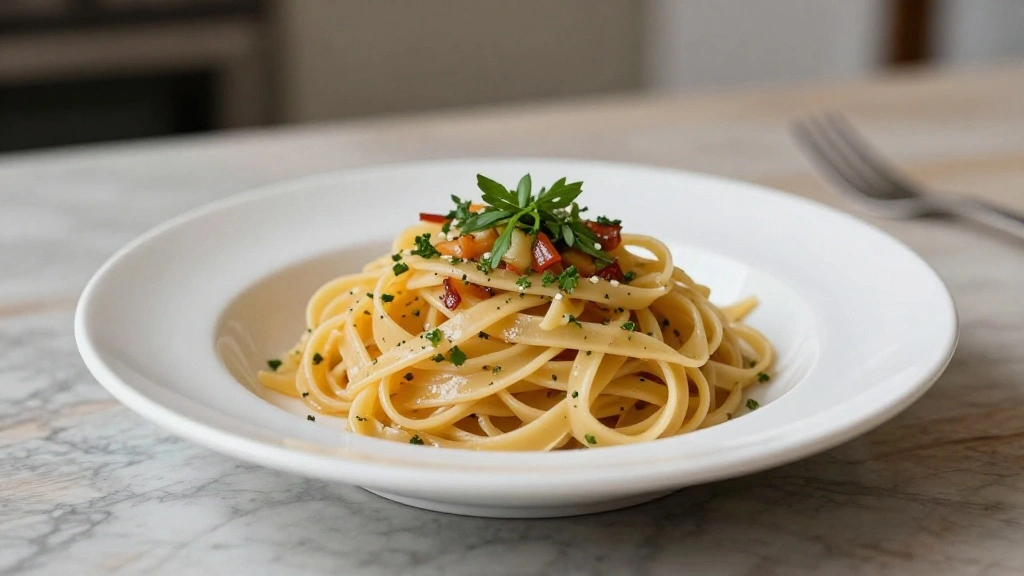
There’s something truly magical about crafting Fresh Homemade Pasta Noodles from scratch.
The silky texture and rich flavor of these noodles transform any meal into a gourmet experience.
I first fell in love with this recipe during a family gathering, where the aroma of freshly rolled dough filled the kitchen.
These noodles are perfect for both weeknight dinners and special occasions, offering a taste of authentic Italian cuisine.
Embrace the art of pasta making with this step-by-step guide, and impress your loved ones with your culinary skills.
The History and Cultural Significance
• Fresh Homemade Pasta traces its origins to Italy, where it was originally created by artisans in the 13th century.
• The dish evolved over decades as regional ingredients and techniques influenced its preparation, eventually becoming the beloved version we know today.
• In Italian culture, this dish traditionally appears at festive gatherings and family reunions, symbolizing togetherness and celebration.
• While many variations exist across different regions, the authentic version maintains a delicate texture and rich flavor that sets it apart from imitations.
Recipe Overview
Nutritional Information (per serving)
Essential Equipment Guide
Pasta Machine: A pasta machine is crucial for achieving uniform thickness and texture in your pasta, which can be difficult to do by hand. A rolling pin can be used as an alternative, but it requires more skill and effort. Look for machines with adjustable settings for different pasta types.
Mixing Bowl: A large mixing bowl is essential for combining your ingredients thoroughly. Stainless steel is a great choice for even mixing, but a glass bowl works fine too. Ensure it’s big enough to comfortably hold all your ingredients.
Bench Scraper: This tool helps in cutting and portioning the dough with precision. Alternatives include a sharp knife, but a bench scraper provides more control. Opt for one with a comfortable grip and a straight edge for clean cuts.
Ingredients
For the Base
|
|
| Amount | Ingredient | Notes |
|---|---|---|
| 2 cups | all-purpose flour | sifted for light texture |
| 3 large | eggs | room temperature for better mixing |
| 1 teaspoon | salt | enhances flavor |
| 1 tablespoon | olive oil | adds richness |
Preparation Methods
Resting the Dough: Allowing the dough to rest is crucial for relaxing the gluten, which makes it easier to roll out and ensures a tender texture. Cover the dough with a damp cloth or plastic wrap and let it sit for at least 30 minutes.
Rolling Technique: Rolling the dough to an even thickness is vital for cooking it uniformly. Use a pasta machine to gradually thin the dough, starting from the widest setting and working down to the desired thickness.
Cutting the Noodles: Cutting the pasta into even strips ensures even cooking and presentation. Use a sharp knife or a pasta cutter to achieve consistent shapes, and dust the noodles with flour to prevent sticking.
Step 1: Prepare Ingredients

Gather all your ingredients and equipment on a clean work surface.
Measure out the flour and create a mound with a well in the center.
Crack the eggs into the well and add salt and olive oil.
Ensure all ingredients are at room temperature for optimal mixing.
Step 2: Mix the Dough

Use a fork to gently whisk the eggs, gradually incorporating the flour.
Combine until a shaggy dough forms, then begin kneading by hand.
Knead the dough for about 10 minutes until smooth and elastic.
If the dough is sticky, dust with a little more flour as needed.
Step 3: Rest the Dough

Shape the kneaded dough into a ball and wrap it in plastic wrap.
Let the dough rest at room temperature for at least 30 minutes.
This resting period is crucial for relaxing the gluten.
Ensure the dough is well-covered to prevent drying out.
Step 4: Roll Out the Dough

Unwrap the dough and cut it into four equal pieces.
Flatten one piece slightly and feed it through the pasta machine on the widest setting.
Fold and pass it through again, gradually decreasing thickness settings.
Repeat until you reach the desired thinness for your pasta.
Step 5: Cut the Noodles
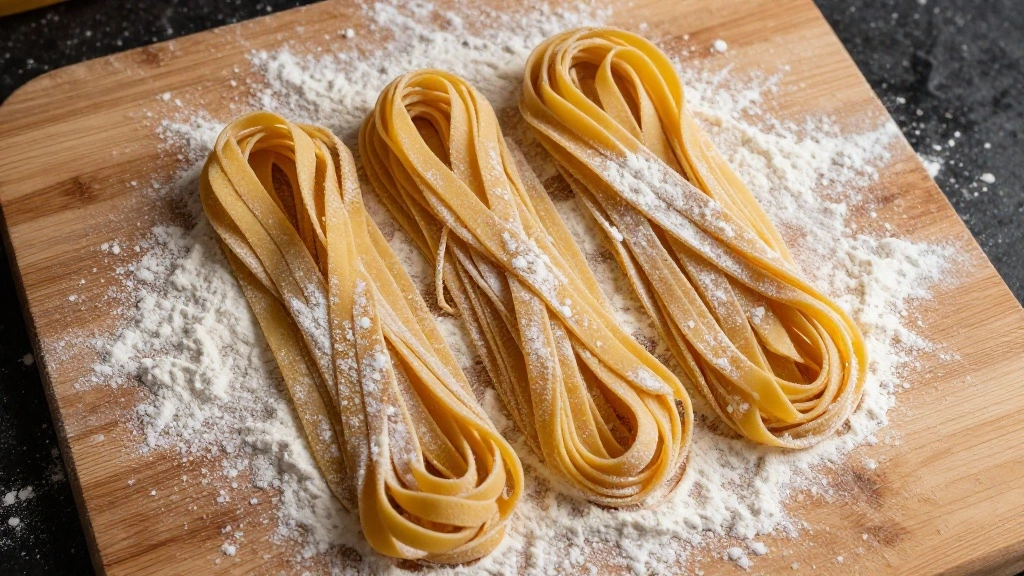
Lay the rolled-out dough on a lightly floured surface.
Use a sharp knife or pasta cutter to slice the dough into even strips.
Sprinkle flour over the cut noodles to prevent sticking.
Separate the strips gently to ensure uniform drying.
Step 6: Boil Water

Fill a large pot with water and bring it to a rolling boil.
Add a generous amount of salt to the boiling water.
Salt enhances the pasta's flavor during cooking.
Ensure the water maintains a consistent boil throughout cooking.
Step 7: Cook the Pasta
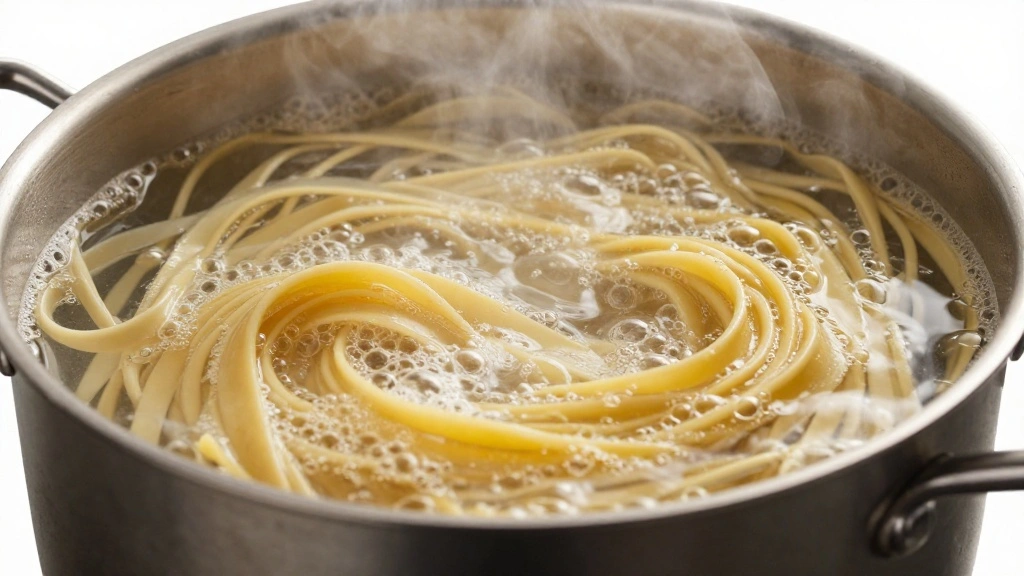
Carefully add the fresh pasta to the boiling water.
Stir gently to prevent the noodles from clumping together.
Cook for about 2-4 minutes until al dente.
Taste to check doneness; it should be tender yet firm.
Step 8: Drain and Serve
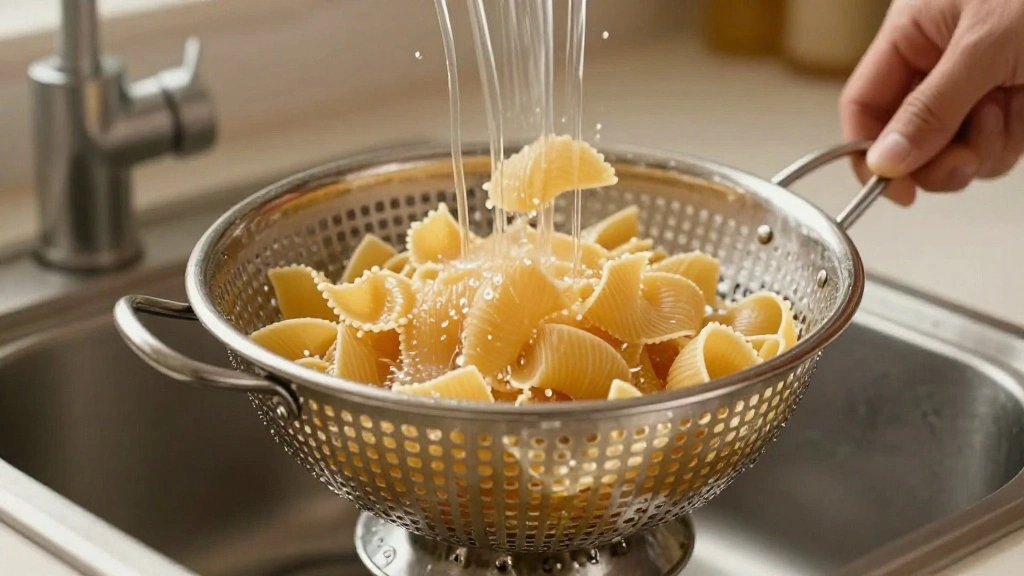
Quickly drain the cooked pasta in a colander.
Reserve a cup of pasta water for sauce if needed.
Transfer the noodles to a serving dish immediately.
Serve with your preferred sauce or toppings while hot.
Critical Timing and Temperature Guide
Kneading the Dough: Knead for exactly 10 minutes at room temperature until smooth and elastic. Over-kneading can make the dough tough.
Resting the Dough: Resting should be at least 30 minutes at room temperature. Longer resting improves texture but avoid exceeding 2 hours.
Cooking the Pasta: Boil for 2-4 minutes in rapidly boiling salted water. Watch for the pasta to rise to the surface and taste test for doneness.
Pro Tips for Fresh Homemade Pasta
• Ingredient Selection: Use high-quality, organic all-purpose flour and fresh eggs for the best flavor and texture.
• Preparation Secret: Letting the dough rest for longer than 30 minutes enhances the gluten structure, resulting in silkier pasta.
• Temperature Management: Ensure all ingredients are at room temperature before starting to ensure even mixing.
• Texture Enhancement: Roll the dough extra thin for delicate, restaurant-quality noodles.
• Flavor Layering: Use the reserved pasta water to adjust sauce consistency and enhance flavor.
• Make-Ahead Strategies: Prepare and roll the dough a day in advance, storing it in the fridge wrapped in plastic wrap.
• Restaurant-Quality Finishing Touches: Toss the cooked pasta with a drizzle of high-quality olive oil before serving.
• Equipment Optimization: Regularly clean your pasta machine to prevent residues that can affect dough texture.
Troubleshooting Common Issues
• Texture Too Dense: This may be due to over-kneading or insufficient resting. Ensure proper kneading time and allow dough to rest adequately.
• Pasta Sticks Together: Insufficient flour dusting or not stirring immediately after adding to water. Dust generously with flour and stir gently when cooking.
• Dough Too Sticky: This can be caused by high humidity. Add more flour gradually until a smooth, elastic consistency is achieved.
• Uneven Noodles: Uneven thickness may result from inconsistent rolling. Use a pasta machine for even thickness and adjust settings gradually.
• Flavors Unbalanced: Lack of salt in the cooking water can lead to bland pasta. Always add a generous amount of salt to the boiling water.
Variations and Regional Differences
• Tagliatelle: A variation from the Emilia-Romagna region, these are thicker and typically served with rich, meaty sauces.
• Pappardelle: Wider noodles from Tuscany, often paired with hearty, game-based sauces.
• Fettuccine: Similar to tagliatelle but slightly thinner, commonly served with creamy sauces like Alfredo.
• Spaghetti alla Chitarra: Abruzzo's square-shaped noodles cut using a special stringed tool called a chitarra.
Food Science Behind the Recipe
• Gluten Development: Kneading the dough activates gluten, which provides structure and elasticity to the pasta.
• Starch Gelatinization: Cooking the pasta causes starches to gelatinize, giving the noodles their characteristic al dente texture.
• Emulsification: The addition of olive oil helps emulsify the dough, contributing to its smoothness and flexibility.
Frequently Asked Questions
What's the most common mistake people make when preparing Fresh Homemade Pasta? Over-kneading or under-resting the dough, which can lead to tough pasta.
Can I use whole wheat flour instead of all-purpose flour? Yes, but expect a denser texture and a nuttier flavor profile.
How do I store leftover pasta? Store cooked pasta in an airtight container in the fridge for up to 3 days. Reheat in hot water or sauté with sauce.
Can I freeze the dough? Yes, wrap the dough tightly in plastic wrap and freeze for up to one month. Thaw in the refrigerator before use.
How thin should I roll the pasta? Roll to 1/16 inch thickness for best results, adjusting based on preference.
Can I make pasta without a machine? Yes, but it requires more skill and effort with a rolling pin to achieve even thickness.
Why is my pasta dough crumbly? This usually occurs from too little moisture. Add water or additional egg yolk gradually until the dough comes together.
Serving and Presentation Guide
• Traditional Presentation: Serve in a large, shallow bowl with a drizzle of olive oil and a sprinkle of freshly grated Parmesan.
• Modern Plating: Twirl the pasta into nests for an elegant presentation, garnished with fresh herbs.
• Family Style: Serve on a large platter for sharing, topped with a simple tomato sauce and fresh basil.
• Rustic Style: Present directly from the pan with a side of crusty bread, emphasizing the homemade quality.
Conclusion
Creating Fresh Homemade Pasta Noodles from scratch is a rewarding and delicious culinary journey.
With this guide, even beginners can achieve restaurant-quality pasta in their own kitchen.
Embrace the flavors and tradition of Italy with each satisfying bite.
Try this recipe today and enjoy the art of pasta making.
About The Author
