
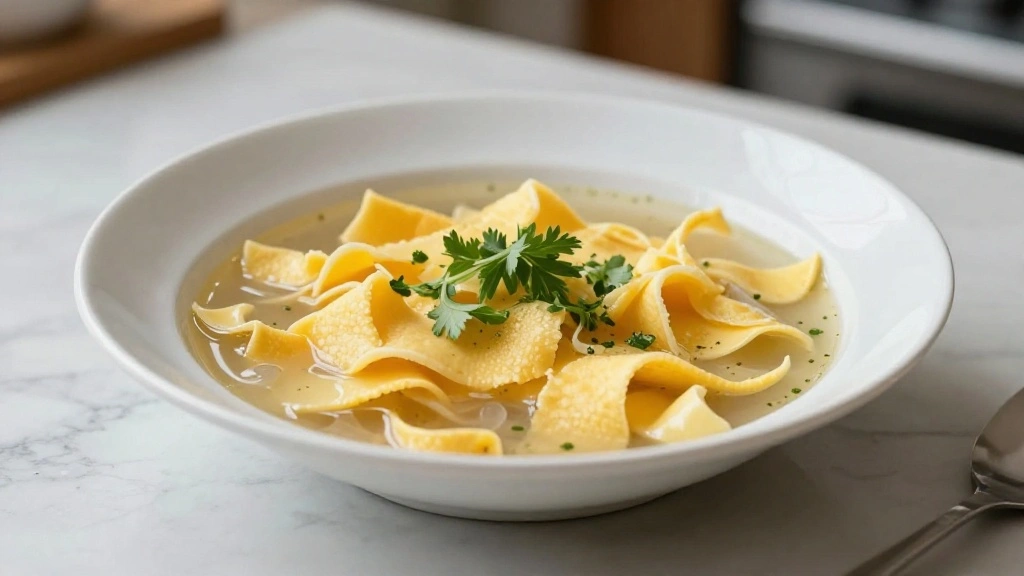
This classic Egg Drop Soup brings together centuries of culinary tradition with modern techniques to create a dish that’s both comforting and elegant.
The harmonious balance of savory broth and delicate egg ribbons creates a memorable dining experience that will have everyone asking for your secret.
I discovered this recipe during my travels through China, where local chefs have perfected it through generations of careful refinement.
Whether you’re preparing a casual family dinner or hosting a special celebration, this Egg Drop Soup delivers impressive results with straightforward preparation.
The History and Cultural Significance
• Egg Drop Soup traces its origins to Ancient China, where it was originally created as a simple yet nourishing dish.
• The dish evolved over decades as ingredients such as cornstarch and ginger were added, eventually becoming the beloved version we know today.
• In Chinese culture, this dish traditionally appears at family gatherings, symbolizing warmth and togetherness.
• While many variations exist across different regions, the authentic version maintains a clear broth and silky egg ribbons that set it apart from imitations.
Recipe Overview
Nutritional Information (per serving)
Essential Equipment Guide
Whisk: A whisk is essential for creating the perfect egg ribbons, ensuring they are light and airy. Alternatives like forks can work, but a balloon whisk is ideal for its ability to incorporate air.
Saucepan: A medium-sized saucepan allows for even heating of the broth, crucial for the gentle cooking of the eggs. Look for one with a heavy bottom to maintain a steady simmer.
Ladle: A ladle is perfect for serving the soup, ensuring each bowl gets a balanced amount of broth and egg. A ladle with a spout can help with precision pouring.
Ingredients
For the Base
|
|
| Amount | Ingredient | Notes |
|---|---|---|
| 4 cups | chicken broth | rich and flavorful base |
| 1 tablespoon | cornstarch | dissolved in water for thickening |
| 2 large | eggs | beaten, creates the ribbon effect |
Seasonings
| Amount | Ingredient | Notes |
|---|---|---|
| 1 teaspoon | soy sauce | adds umami |
| 1 teaspoon | sesame oil | adds depth and aroma |
| 1 pinch | white pepper | subtle heat |
Garnish
| Amount | Ingredient | Notes |
|---|---|---|
| 2 tablespoons | chopped green onions | freshness and color |
Preparation Methods
Creating Egg Ribbons: Pour the beaten eggs slowly into the simmering broth while stirring to form delicate ribbons. This technique ensures the eggs cook evenly and do not clump together.
Simmering Broth: Maintaining a gentle simmer is crucial for the soup's consistency, as too high a heat will overcook the eggs and make them rubbery.
Thickening with Cornstarch: Dissolve cornstarch in cold water before adding to the hot broth to avoid lumps. This technique provides a silky, smooth texture.
Step 1: Prepare Ingredients

Gather all ingredients and equipment.
Measure out the chicken broth, cornstarch, and seasonings.
Beat the eggs in a small bowl until well combined.
Chop the green onions for garnish.
Step 2: Heat the Broth

Pour the chicken broth into a medium saucepan.
Bring the broth to a gentle simmer over medium heat.
Stir occasionally to ensure even heating.
Watch for small bubbles forming around the edges of the pan.
Step 3: Add Cornstarch Mixture

In a small bowl, dissolve cornstarch in cold water.
Stir the cornstarch mixture into the simmering broth.
Continue to simmer until the broth slightly thickens.
Ensure the cornstarch is fully incorporated without lumps.
Step 4: Season the Broth

Add soy sauce, sesame oil, and white pepper to the broth.
Stir to combine the seasonings evenly.
Taste and adjust seasoning if necessary.
Ensure the broth remains at a gentle simmer for the next step.
Step 5: Create Egg Ribbons

Slowly pour the beaten eggs into the simmering broth.
Stir gently with a whisk in one direction to create ribbons.
Pause stirring occasionally to allow ribbons to set.
Ensure the eggs are cooked through without clumping.
Step 6: Garnish and Serve
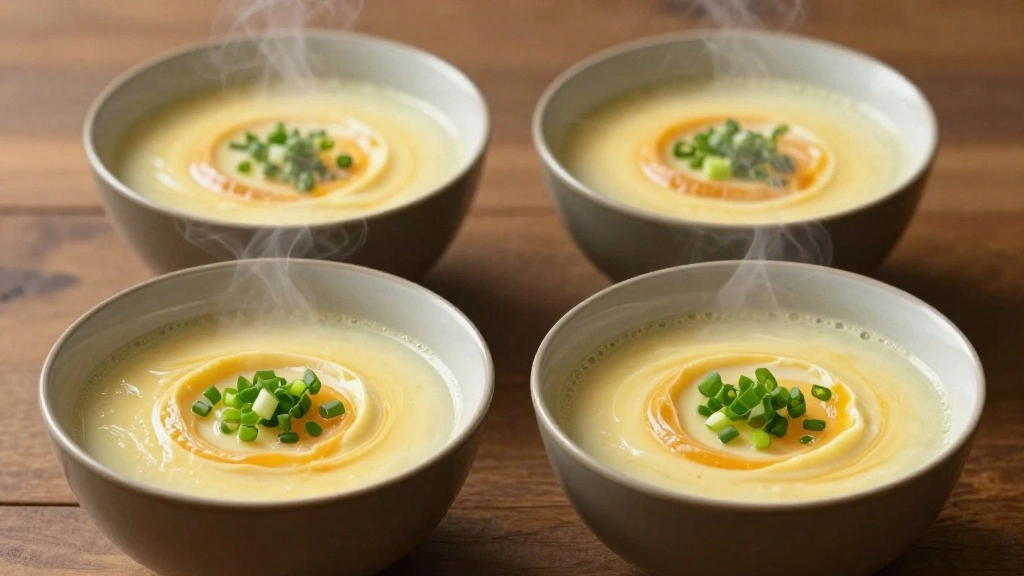
Ladle the soup into serving bowls.
Sprinkle chopped green onions over each bowl.
Serve the soup immediately while hot.
Ensure each bowl has a balanced amount of broth and egg ribbons.
Critical Timing and Temperature Guide
Simmering Broth: Keep broth at a gentle simmer (around 180°F) to prevent overcooking the eggs; look for small bubbles and avoid boiling.
Cooking Eggs: Pour eggs slowly and stir gently; eggs should set within seconds, avoid clumping by maintaining a steady stirring motion.
Serving Temperature: Serve soup hot, ideally above 160°F, to enhance flavors and ensure a comforting experience.
Pro Tips for Egg Drop Soup
• Ingredient Selection: Use high-quality chicken broth for the base, as it greatly impacts the soup's overall flavor.
• Preparation Secret: Beat eggs thoroughly to ensure smooth ribbons without any unincorporated whites.
• Temperature Management: Keep ingredients at room temperature before cooking to ensure even cooking.
• Texture Enhancement: For silkier ribbons, increase cornstarch slightly and stir vigorously after adding eggs.
• Flavor Layering: Add a splash of rice vinegar for brightness, balancing the rich broth and eggs.
• Make-Ahead Strategies: Prepare broth base in advance and store in the refrigerator for up to 2 days; reheat and add eggs when ready to serve.
• Restaurant-Quality Finishing Touches: Drizzle a few drops of sesame oil before serving for a fragrant, professional touch.
• Equipment Optimization: Use a non-stick saucepan to prevent sticking and ensure easy cleanup.
Troubleshooting Common Issues
• Texture Too Dense: Caused by overbeaten eggs or excessive cornstarch; reduce cornstarch and beat eggs gently.
• Flavors Unbalanced: Often due to too much soy sauce or lack of acid; adjust with more broth or add a splash of vinegar.
• Eggs Clumping: Occurs when poured too quickly or stirred too aggressively; pour eggs slowly and stir gently.
• Broth Too Thin: Results from insufficient cornstarch; dissolve more cornstarch in water and add incrementally.
• Broth Cloudy: Caused by boiling the broth; maintain a gentle simmer to keep broth clear.
• Soup Lacks Flavor: Often due to low-quality broth; enhance with additional seasonings or use a richer broth.
Variations and Regional Differences
• Sichuan Style: Incorporates Sichuan peppercorns and chili oil for a spicy kick, altering the soup's heat profile.
• Cantonese Style: Often includes diced tofu and crab meat, adding protein and sweetness to the soup.
• Westernized Version: Sometimes uses additional vegetables like peas and carrots, catering to different palates.
• Japanese Influence: Incorporates miso paste and dashi for an umami-rich variation.
Food Science Behind the Recipe
• Protein Coagulation: Eggs cook through coagulation; understanding this helps achieve the desired ribbon texture.
• Thickening Agents: Cornstarch acts as a thickener by gelatinizing in hot liquid, creating a silky soup.
• Flavor Compounds: Soy sauce provides umami through glutamates, enhancing the broth's savory profile.
Frequently Asked Questions
What's the most common mistake people make when preparing Egg Drop Soup? The most common mistake is boiling the broth, which causes the eggs to cook too quickly, resulting in a clumpy texture.
Can I make Egg Drop Soup vegetarian? Yes, substitute chicken broth with vegetable broth and add tofu for protein.
How can I store leftovers? Store in an airtight container in the refrigerator for up to 2 days; reheat gently to avoid overcooking the eggs.
What can I do if my soup is too salty? Dilute with more broth or water, and adjust seasoning accordingly.
Can I freeze Egg Drop Soup? It's not recommended to freeze due to changes in texture; the eggs may become rubbery upon reheating.
How do I make the soup thicker? Increase the cornstarch slurry and add incrementally until desired consistency is reached.
Why are my egg ribbons not forming properly? Ensure the broth is at the correct temperature and pour the eggs slowly while stirring gently.
Serving and Presentation Guide
• Traditional Presentation: Serve in small bowls with a sprinkle of chopped green onions for a classic look.
• Modern Twist: Add a swirl of chili oil and sesame seeds for a contemporary presentation.
• Family Style: Serve in a large bowl at the center of the table for everyone to help themselves.
• Gourmet Touch: Garnish with microgreens and a drizzle of truffle oil for an elevated dining experience.
Conclusion
Egg Drop Soup is a timeless dish that combines simplicity with an explosion of flavors.
Whether you're a seasoned cook or a kitchen novice, this recipe is accessible and rewarding.
I encourage you to try making this classic soup, and I'm confident it will become a staple in your culinary repertoire.
About The Author
