
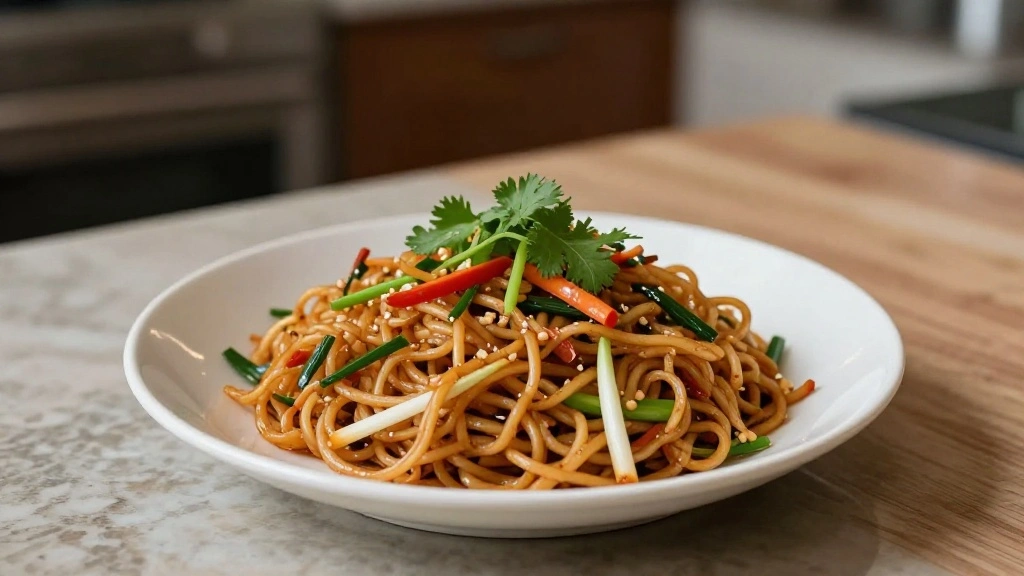
The first time I tasted Thai Drunken Noodles, or Pad Kee Mao, it was during a bustling street market visit in Bangkok.
The dish’s spicy, savory, and slightly sweet profile made an unforgettable impression.
These noodles are renowned for their bold flavors, rich with basil and chili, yet balanced by the umami of soy and oyster sauce.
Pad Kee Mao is a go-to comfort food, perfect for any time of the year, with its warming spices and satisfying textures.
Whether you’re a novice cook or an experienced chef, this recipe provides a straightforward path to authentic Thai flavors at home.
The History and Cultural Significance
• Thai Drunken Noodles traces its origins to Central Thailand, where it was originally created as a remedy for late-night cravings after drinking.
• The dish evolved over decades as Thai chefs incorporated local spices and ingredients, eventually becoming the beloved version we know today.
• In Thai culture, this dish traditionally appears at social gatherings and street food markets, symbolizing camaraderie and celebration.
• While many variations exist across different regions, the authentic version maintains a fiery spice level and fresh basil that sets it apart from imitations.
Recipe Overview
Nutritional Information (per serving)
Essential Equipment Guide
Wok: A wok is crucial for achieving the high heat needed to properly stir-fry the noodles and ingredients, ensuring they are cooked evenly and quickly. Alternatives like a large frying pan can work, but a wok’s shape and material help maintain optimal heat distribution.
Sharp Chef’s Knife: This tool is essential for efficiently slicing and dicing ingredients like vegetables and proteins. Alternatives might include a Santoku knife, but the key is a sharp blade to ensure clean cuts and maintain the integrity of the ingredients.
Wooden Spatula: A wooden spatula is ideal for stirring and tossing ingredients in a wok, allowing you to move food without scratching non-stick surfaces. Look for a spatula with a long handle to keep your hand safe from high heat.
Ingredients
For the Base
|
|
| Amount | Ingredient | Notes |
|---|---|---|
| 8 ounces | rice noodles | soaked in warm water until pliable |
| 2 tablespoons | vegetable oil | for cooking |
Protein
| Amount | Ingredient | Notes |
|---|---|---|
| 1/2 pound | chicken breast | sliced thinly |
| 1 tablespoon | soy sauce | for marinating chicken |
Vegetables
| Amount | Ingredient | Notes |
|---|---|---|
| 1 cup | bell peppers | sliced |
| 1 cup | broccoli florets | chopped |
Seasonings
| Amount | Ingredient | Notes |
|---|---|---|
| 3 cloves | garlic | minced |
| 2 tablespoons | fish sauce | adds depth of flavor |
| 1 tablespoon | oyster sauce | for umami richness |
| 1 tablespoon | sugar | balances flavors |
| 1 teaspoon | chili flakes | adjust to taste for heat |
Garnishes
| Amount | Ingredient | Notes |
|---|---|---|
| 1 cup | fresh basil leaves | adds aromatic freshness |
Preparation Methods
Soaking Rice Noodles: Properly soaking rice noodles is crucial for achieving the right texture. Soak them in warm water until they are pliable but not mushy, which usually takes about 20 minutes. This ensures they cook quickly and evenly in the stir-fry.
Marinating Chicken: Marinating the chicken in soy sauce before cooking enhances flavor and tenderness. Allow the chicken to marinate for at least 15 minutes, which helps the soy sauce penetrate the meat.
Stir-Frying: This technique involves cooking ingredients quickly at high heat while continuously stirring. It's important for this dish to prevent ingredients from sticking to the wok and to ensure even cooking. Mastering stir-frying involves moving the spatula in a circular motion and keeping ingredients in constant motion.
Step 1: Prepare Ingredients

Gather all your ingredients and equipment before starting.
Slice the chicken breast thinly and marinate it with soy sauce.
Soak the rice noodles in warm water until pliable.
Chop vegetables and prepare seasonings.
Step 2: Heat the Wok

Place your wok over high heat and allow it to get hot.
Add vegetable oil and let it heat until shimmering.
Ensure the oil covers the bottom of the wok for even cooking.
Swirl the oil around to coat the sides of the wok.
Step 3: Cook the Chicken

Add the marinated chicken to the hot wok.
Stir-fry the chicken until it is cooked through and golden brown.
Ensure the chicken pieces are separated to cook evenly.
Remove the chicken from the wok and set aside.
Step 4: Stir-Fry Vegetables

In the same wok, add minced garlic and stir until fragrant.
Add bell peppers and broccoli, stirring continuously.
Cook until vegetables are tender-crisp.
Ensure they are evenly coated with the garlic-infused oil.
Step 5: Add Noodles and Sauces
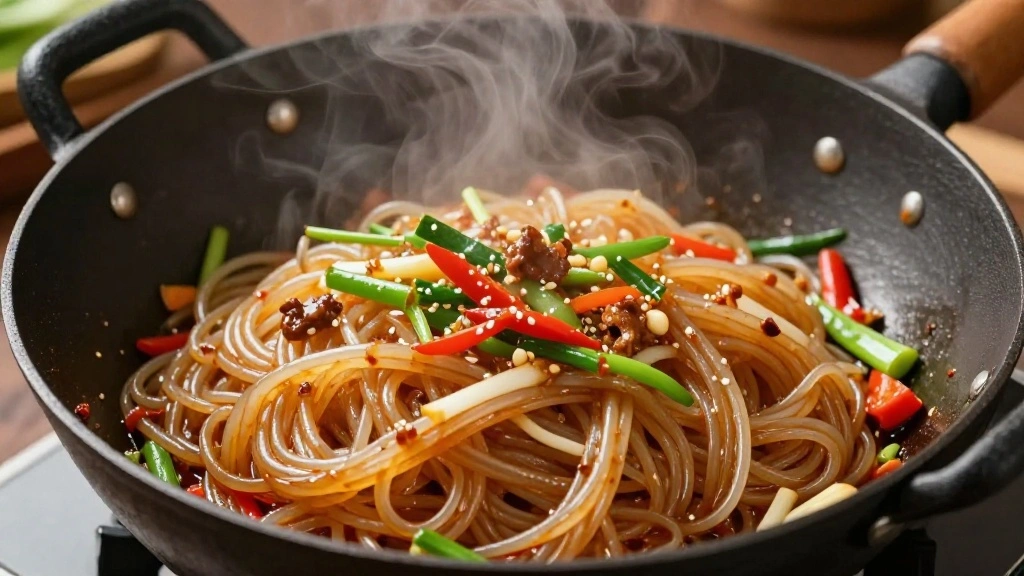
Drain the soaked noodles and add them to the wok.
Pour in the fish sauce, oyster sauce, and sugar.
Toss everything together to evenly coat the noodles.
Ensure the noodles are fully integrated with the vegetables.
Step 6: Incorporate Chicken Back

Return the cooked chicken to the wok.
Mix the chicken with the noodles and vegetables.
Ensure the chicken is heated through and coated with sauce.
Use a spatula to toss everything together thoroughly.
Step 7: Add Heat and Basil
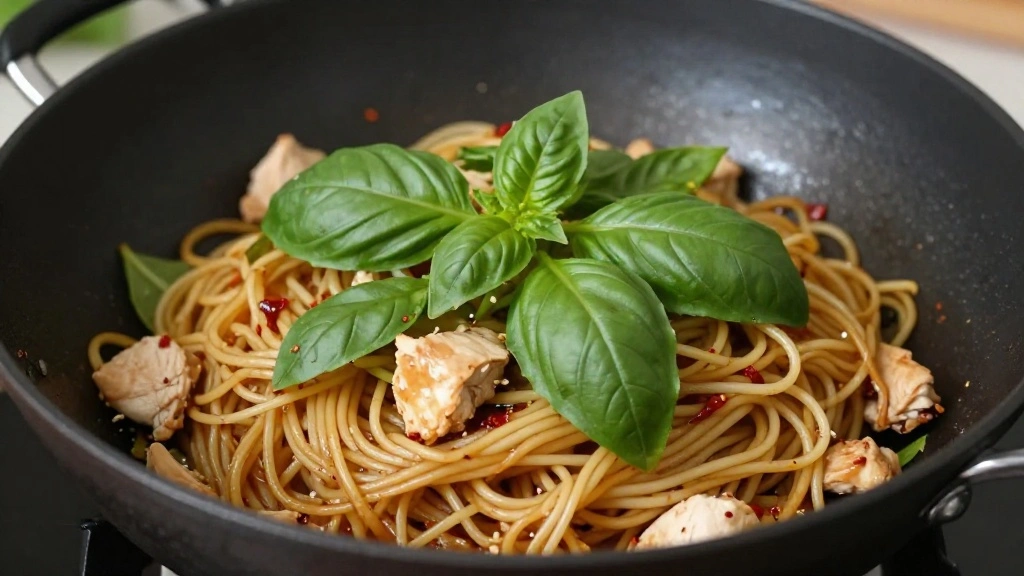
Sprinkle chili flakes into the wok for desired spiciness.
Add fresh basil leaves and toss everything together.
Cook until basil is just wilted and aromatic.
Ensure even distribution of heat and basil throughout.
Step 8: Serve Immediately
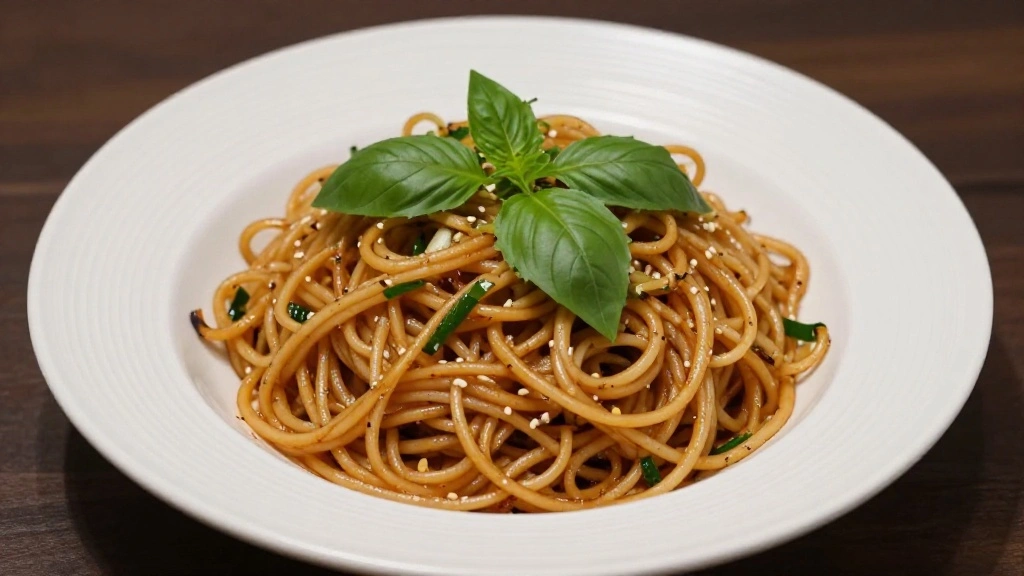
Transfer the finished noodles to a serving platter.
Garnish with additional fresh basil if desired.
Serve hot and enjoy immediately for best taste.
Ensure flavors are balanced and vibrant.
Critical Timing and Temperature Guide
Soaking Noodles: Soak noodles for exactly 20 minutes in warm water until pliable but not overly soft. Avoid soaking in hot water as it can make the noodles too mushy.
Stir-Frying: Maintain high heat throughout the stir-frying process. Visual indicators include the oil shimmering and the ingredients sizzling constantly. Avoid overcrowding the wok to prevent steaming instead of frying.
Cooking Chicken: Cook chicken for about 3-4 minutes until golden brown. Ensure the internal temperature reaches 165°F to guarantee doneness without drying out.
Pro Tips for Thai Drunken Noodles
• Ingredient Selection: Use fresh Thai basil and bird’s eye chilies for authentic flavor. The freshness and quality of these ingredients make a significant difference.
• Preparation Secret: Slightly under-soak the noodles if you're unsure about timing. They will finish cooking in the wok, absorbing the flavors better.
• Temperature Management: Keep your wok at a consistently high temperature to ensure proper stir-frying. Preheat it for several minutes before adding oil.
• Texture Enhancement: Achieve ideal noodle texture by stirring constantly and using enough oil to prevent sticking while maintaining high heat.
• Flavor Layering: Introduce garlic first in the oil to infuse the base flavors into the dish, followed by sauces to coat the noodles thoroughly.
• Make-Ahead Strategies: Prepare and marinate the chicken in advance. Store it in the refrigerator for up to 24 hours to save time during cooking.
• Restaurant-Quality Finishing Touches: Use a squeeze of lime juice over the top before serving to enhance freshness and balance.
• Equipment Optimization: Use a metal wok for best results. If unavailable, a large non-stick frying pan can substitute, but adjust heat accordingly.
Troubleshooting Common Issues
• Noodles Too Soggy: This is usually caused by over-soaking the noodles. Recognize this issue by their overly soft texture before cooking. To fix, reduce soaking time and ensure they are just pliable.
• Flavors Unbalanced: Often due to incorrect measurements of sauces. Taste the dish before serving and adjust with additional fish sauce or sugar as needed.
• Chicken Undercooked: Recognize by pinkish color inside. Ensure proper slicing and adequate cooking time. Use a thermometer to check for 165°F internal temperature.
• Vegetables Too Soft: Caused by overcooking. Maintain high heat and cook vegetables to tender-crisp state by checking firmness before adding noodles.
• Burnt Garlic: Recognize by its bitter taste and dark color. Cook garlic for only a few seconds until fragrant, then immediately add vegetables to prevent burning.
• Sticky Noodles: This happens if noodles are not tossed properly. Ensure constant stirring and sufficient oil in the wok to prevent sticking.
Variations and Regional Differences
• Southern Thai Variation: Includes seafood such as shrimp and squid, with the addition of turmeric for a distinct color and flavor, reflecting the region's coastal influence.
• Vegetarian Style: Omits meat and incorporates tofu as a protein source, with extra vegetables like carrots and snap peas for added texture and color.
• Northern Thai Version: Uses local herbs like kaffir lime leaves and more pronounced spices, offering a unique aromatic profile compared to its southern counterpart.
• Street Vendor Style: Characterized by a higher spice level and often includes a raw egg stirred in at the end for richness, reflecting its popularity in Thai street food culture.
Food Science Behind the Recipe
• Maillard Reaction: This chemical reaction occurs when proteins and sugars in the chicken brown, enhancing flavor and creating a savory depth that is essential in stir-fried dishes.
• Gelatinization of Starch: As rice noodles cook, the starches gelatinize, absorbing flavors from the sauce and creating a chewy texture. Understanding this helps avoid overcooking.
• Emulsification: The process by which oil and water-based sauces blend, coating noodles and ingredients evenly. Achieving a proper emulsion is key to balanced flavor distribution.
Frequently Asked Questions
What's the most common mistake people make when preparing Thai Drunken Noodles? Over-soaking the noodles is a common issue, leading to a mushy texture. It's crucial to soak until just pliable.
Can I use other types of noodles? While traditional Pad Kee Mao uses rice noodles, you can substitute with wide egg noodles, but it will alter the dish's texture and flavor slightly.
How can I reduce the heat level? Adjust the amount of chili flakes and opt for milder chilies. You can also serve with a side of lime to cut through the heat.
Is it necessary to use a wok? A wok is ideal for high-heat cooking, but a large, heavy-bottomed frying pan can work if adjusted for heat distribution.
Can this dish be made gluten-free? Yes, ensure all sauces used are gluten-free, particularly soy sauce and oyster sauce, by checking labels.
What proteins can I substitute for chicken? Beef, pork, shrimp, or tofu are excellent alternatives that can be used in place of chicken.
How do I store leftovers? Store in an airtight container in the refrigerator for up to three days. Reheat in a hot wok or frying pan to maintain texture.
Serving and Presentation Guide
• Traditional Presentation: Serve in a shallow bowl, garnished with fresh basil and lime wedges on the side for an authentic touch.
• Family Style: Present on a large platter with serving tongs, allowing guests to help themselves, encouraging communal dining.
• Individual Bowls: Portion into individual bowls with a sprinkle of sesame seeds and lime wedge for a personalized dining experience.
• Street Food Style: Serve on a banana leaf or in a paper cone for a rustic, portable presentation reminiscent of Thai street vendors.
Conclusion
Embark on a culinary journey that brings the vibrant flavors of Thailand to your kitchen.
With this authentic Pad Kee Mao recipe, you can create a dish that delights the senses and satisfies cravings.
Invite friends and family to share in this flavorful experience, and enjoy the satisfaction of home-cooked Thai cuisine.
About The Author
