
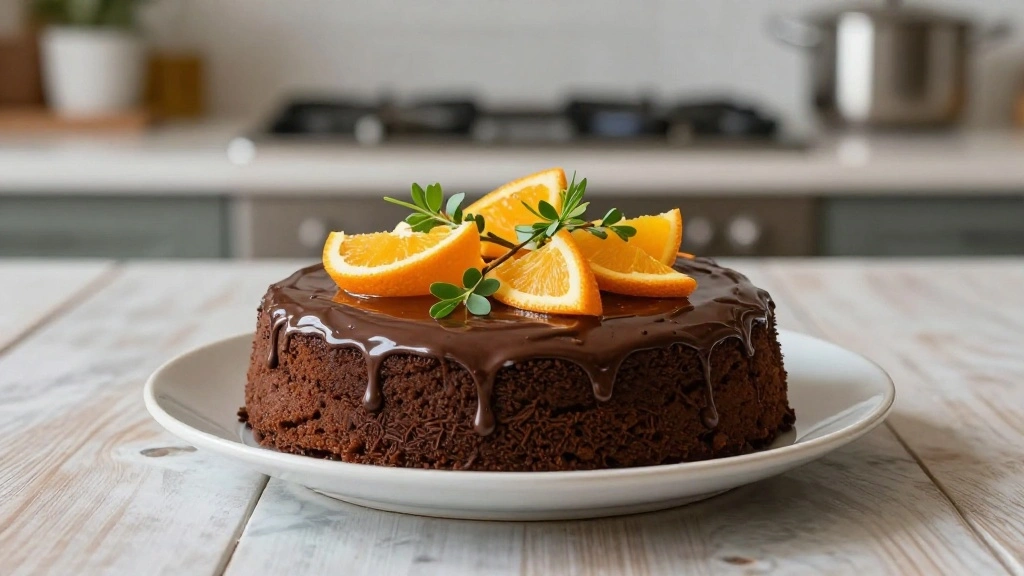
The Chocolate Orange Cake with Citrus Flavor captures the essence of sweet and tangy in every bite.
With rich chocolate and fresh citrus harmonizing beautifully, this cake is a celebration of contrasting yet complementary flavors.
I first encountered this delightful treat during a sunny winter holiday, where the aroma of oranges filled the air.
Its vibrant taste makes it perfect for any season, bringing warmth and brightness to your table.
Whether it’s a casual afternoon tea or a special occasion, this cake promises a memorable experience for all.
Prepare to impress your guests with a dessert that balances simplicity and sophistication.
The History and Cultural Significance
• Chocolate Orange Cake traces its origins to Victorian England, where it was originally created by bakers experimenting with exotic ingredients.
• The dish evolved over decades as chocolate became more accessible and oranges were imported more regularly, eventually becoming the beloved version we know today.
• In British culture, this dish traditionally appears at Christmas and New Year’s celebrations, symbolizing luxury and festive cheer.
• While many variations exist across different regions, the authentic version maintains a balance of sweet chocolate and bright citrus that sets it apart from imitations.
Recipe Overview
Nutritional Information (per serving)
Essential Equipment Guide
Springform Pan: Essential for easy removal of the cake without damaging its structure, ensuring a perfect presentation. Alternatives include silicone baking pans, but these may not provide the same crisp edges. Look for a pan with a secure latch and a non-stick surface.
Microplane Zester: Crucial for obtaining fine orange zest that blends seamlessly into the batter, enhancing the citrus flavor. A fine grater can be used, but it may not achieve the same texture. Choose one with a comfortable handle and sharp blades.
Electric Mixer: Important for achieving a smooth, airy batter, which contributes to the cake’s light texture. A whisk can substitute, though it requires more effort. Opt for a mixer with multiple speed settings for versatility.
Ingredients
For the Cake
|
|
| Amount | Ingredient | Notes |
|---|---|---|
| 1.5 cups | all-purpose flour | sifted for light texture |
| 1 cup | granulated sugar | adds sweetness |
| 0.5 cup | unsweetened cocoa powder | for rich chocolate flavor |
| 1 teaspoon | baking powder | helps cake rise |
| 0.5 teaspoon | baking soda | balances acidity |
| 0.25 teaspoon | salt | enhances flavors |
| 0.75 cup | unsalted butter | softened, adds richness |
| 2 large | eggs | room temperature, for binding |
| 1 teaspoon | vanilla extract | enhances flavor |
| 0.5 cup | freshly squeezed orange juice | provides citrus flavor |
| 1 tablespoon | orange zest | adds aromatic citrus notes |
For the Glaze
| Amount | Ingredient | Notes |
|---|---|---|
| 0.5 cup | heavy cream | for smooth texture |
| 4 ounces | dark chocolate | finely chopped, for deep chocolate flavor |
| 1 tablespoon | honey | adds gloss to glaze |
Preparation Methods
Folding: Gently incorporating ingredients to maintain airiness in the batter, crucial for a light cake. Use a spatula to fold, moving from the outside inwards. This prevents deflating the batter and ensures even mixing.
Zesting: Extracting the flavorful outer layer of the orange without the bitter pith. Use a microplane to achieve fine zest. Rotate the orange as you zest to avoid removing too much from one spot.
Tempering Chocolate: Method of melting chocolate slowly to prevent seizing and ensure a glossy finish. Use a double boiler or microwave in short bursts, stirring between each to maintain smoothness.
Step 1: Prepare Ingredients

Preheat your oven to 350°F (175°C).
Gather all ingredients and ensure they are at room temperature.
Sift together the flour, cocoa powder, baking powder, baking soda, and salt into a medium bowl.
This ensures a smooth, lump-free batter.
Step 2: Mix Wet Ingredients

In a large mixing bowl, beat the softened butter with sugar until light and fluffy.
Add the eggs one at a time, beating well after each addition.
Pour in the vanilla extract and mix until combined.
This creates a creamy, homogenous mixture.
Step 3: Combine Dry and Wet Ingredients

Gradually add the sifted dry ingredients to the wet mixture.
Alternate with orange juice, starting and ending with the dry ingredients.
Gently fold in the orange zest using a spatula.
This method ensures a smooth, well-blended batter.
Step 4: Pour Batter into Pan

Grease a 9-inch springform pan with butter or cooking spray.
Pour the batter into the prepared pan, spreading evenly with a spatula.
Tap the pan gently on the counter to remove air bubbles.
This helps the cake bake evenly without pockets.
Step 5: Bake the Cake

Place the pan in the preheated oven on the middle rack.
Bake for 45 minutes, or until a toothpick inserted into the center comes out clean.
Rotate the pan halfway through baking for even cooking.
This ensures a uniformly baked cake.
Step 6: Prepare the Glaze

In a small saucepan, heat the heavy cream over medium heat until it simmers.
Remove from heat and add the chopped dark chocolate.
Let it sit for 2 minutes, then stir until smooth.
This creates a glossy, rich glaze.
Step 7: Glaze the Cake
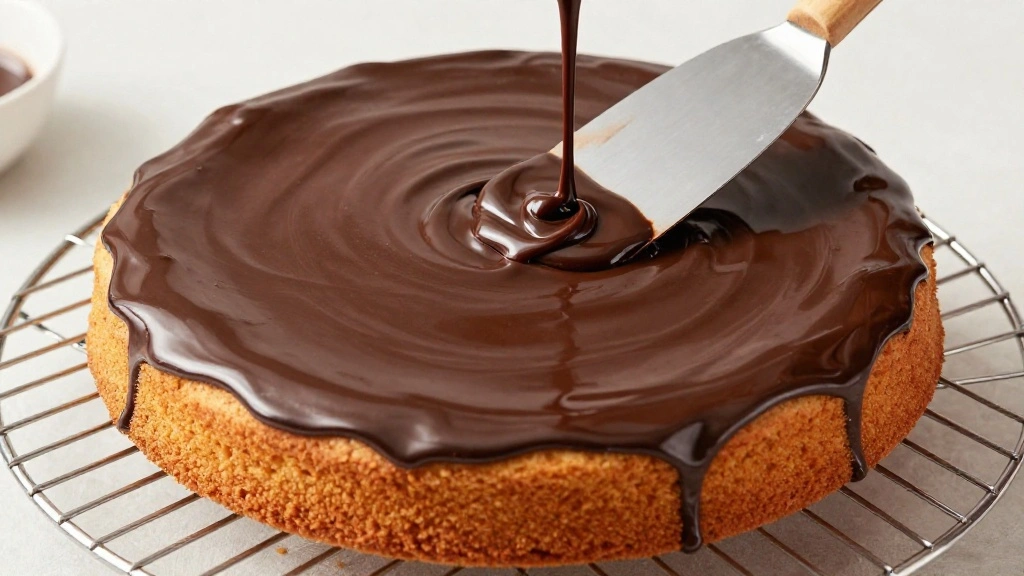
Allow the cake to cool in the pan for 10 minutes, then remove the outer ring.
Transfer the cake to a wire rack placed over a baking sheet.
Pour the glaze over the cake, spreading with a spatula to cover evenly.
This gives the cake a sleek, professional finish.
Step 8: Decorate and Serve
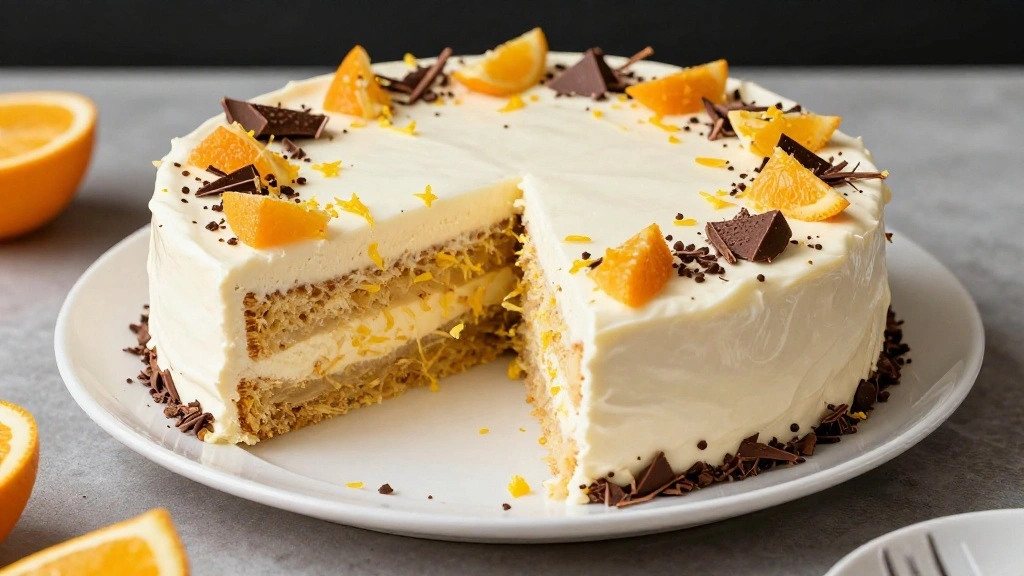
Let the glaze set for about 15 minutes before decorating.
Garnish with additional orange zest or chocolate shavings if desired.
Slice the cake with a sharp knife, wiping between cuts for clean slices.
Enjoy your Chocolate Orange Cake with a fresh cup of coffee or tea.
Critical Timing and Temperature Guide
Baking the Cake: Bake at 350°F (175°C) for 45 minutes. Look for a springy top and a clean toothpick test. Avoid opening the oven door frequently as this can cause the cake to sink.
Heating the Cream: Heat until just simmering, not boiling. This prevents the cream from curdling and ensures a smooth glaze. Overheating can cause the cream to separate.
Cooling the Cake: Allow the cake to cool for at least 10 minutes in the pan to prevent breaking. Too soon, and the cake may crumble; too long, and it might stick to the pan.
Pro Tips for Chocolate Orange Cake
• Ingredient Selection: Choose high-quality dark chocolate and fresh, organic oranges for the best flavor impact.
• Preparation Secret: Add a pinch of espresso powder to enhance the chocolate flavor without being detectable.
• Temperature Management: Ensure all ingredients, especially butter and eggs, are at room temperature for a smooth batter.
• Texture Enhancement: Do not overmix the batter after adding flour to maintain a light, fluffy texture.
• Flavor Layering: Use a combination of orange juice and zest for a more complex citrus profile.
• Make-Ahead Strategies: Bake the cake a day in advance and store at room temperature, glazing just before serving.
• Restaurant-Quality Finishing Touches: Sprinkle with sea salt flakes over the glaze for a gourmet touch.
• Equipment Optimization: Use a serrated knife for clean, precise cake slices.
Troubleshooting Common Issues
• Texture Too Dense: Overmixing the batter can develop too much gluten, making the cake dense. Mix until just combined.
• Flavors Unbalanced: Too much zest or juice can overwhelm the chocolate. Stick to the recommended amounts for harmony.
• Glaze Not Setting: Ensure the glaze cools slightly before pouring; too hot, and it won't adhere properly.
• Cracked Top: Baking at too high a temperature can cause cracks. Use an oven thermometer to ensure correct temperature.
• Cake Sticking to Pan: Always grease and line the pan with parchment for easy release.
• Glaze Too Thick: If the glaze seizes, gently reheat it and add a tablespoon of cream to loosen.
Variations and Regional Differences
• Italian Variation: Incorporates almond flour for a more traditional, nutty flavor and uses blood oranges for a deeper citrus profile.
• French Style: Adds a touch of Grand Marnier or Cointreau to the batter for a boozy twist that enhances the orange notes.
• American Twist: Includes chocolate chips in the batter and uses a cream cheese frosting instead of glaze.
• Spanish Influence: Infuses saffron into the glaze for a unique aroma and swaps the orange zest with tangerine zest.
Food Science Behind the Recipe
• Emulsification: The combination of fats and liquids in the batter creates an emulsion, which is critical for a moist, tender crumb.
• Leavening Reactions: Baking powder and soda react with acidic orange juice, releasing carbon dioxide that helps the cake rise.
• Cocoa Chemistry: The alkalinity of cocoa powder interacts with the acidity of the orange juice to enhance the cake's chocolate flavor.
Frequently Asked Questions
What's the most common mistake people make when preparing Chocolate Orange Cake? Overmixing the batter, which can lead to a dense texture.
Can I use bottled orange juice instead of fresh? Fresh orange juice is recommended for the best flavor; bottled juice may contain preservatives that affect taste.
How do I prevent the cake from sticking to the pan? Grease the pan thoroughly and use parchment paper for easy release.
Is it possible to make this cake gluten-free? Yes, substitute all-purpose flour with a gluten-free baking blend.
Can I store leftovers, and for how long? Store in an airtight container at room temperature for up to 2 days or refrigerate for up to 5 days.
How do I achieve a shiny glaze? Ensure the cream is hot enough to melt the chocolate completely and stir until smooth.
What's a good substitute for heavy cream in the glaze? Use full-fat coconut milk for a dairy-free option with a slight coconut flavor.
Serving and Presentation Guide
• Traditional Presentation: Serve on a cake stand with a few slices of fresh orange on the side for a classic look.
• Modern Minimalist: Present on a sleek, white platter with a drizzle of additional glaze for a contemporary touch.
• Festive Flair: Garnish with edible flowers and gold leaf for a luxurious presentation at special occasions.
• Casual Gathering: Cut into squares and serve individually on small dessert plates with a dollop of whipped cream.
Conclusion
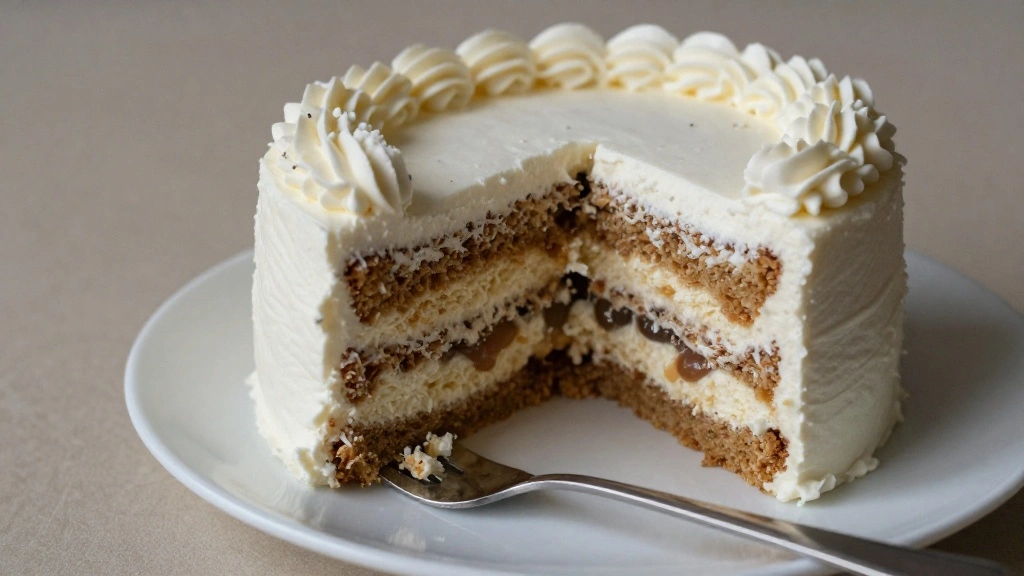
Embrace the delightful contrast of chocolate and citrus with this Chocolate Orange Cake recipe.
Perfect for any occasion, it offers a burst of flavor that will tantalize your taste buds.
With these tips and techniques, you're well-equipped to create a dessert that's both impressive and delicious.
Give it a try and enjoy the compliments from your family and friends.
About The Author
